At their core, video games are an expression of humanity. They are an expression of fun. And for the health of the industry, I think we need to return to projects that unrelentingly cognizant of that.
DEREK EX MACHINA, created by author and editor Derek L.H., is a blog dedicated to exploring the effect that video games and film have on people.
All tagged Talking Point
At their core, video games are an expression of humanity. They are an expression of fun. And for the health of the industry, I think we need to return to projects that unrelentingly cognizant of that.
How much fan service is too much? At what point does fan service cause the broader experience to deteriorate? Does having fan service necessarily make something worse, and how so? We’re certainly part of the reason why fan service exists in the modern media landscape to the degree that it does. But we are also the reason that it can be kept in check.
Between the domination of indie developers throughout the year to the sheer variety of ideas posited in many of the year’s best games, 2025 was, in my eyes, a net gain for the overall direction that the games industry is headed on. Here are my top five games of 2025!
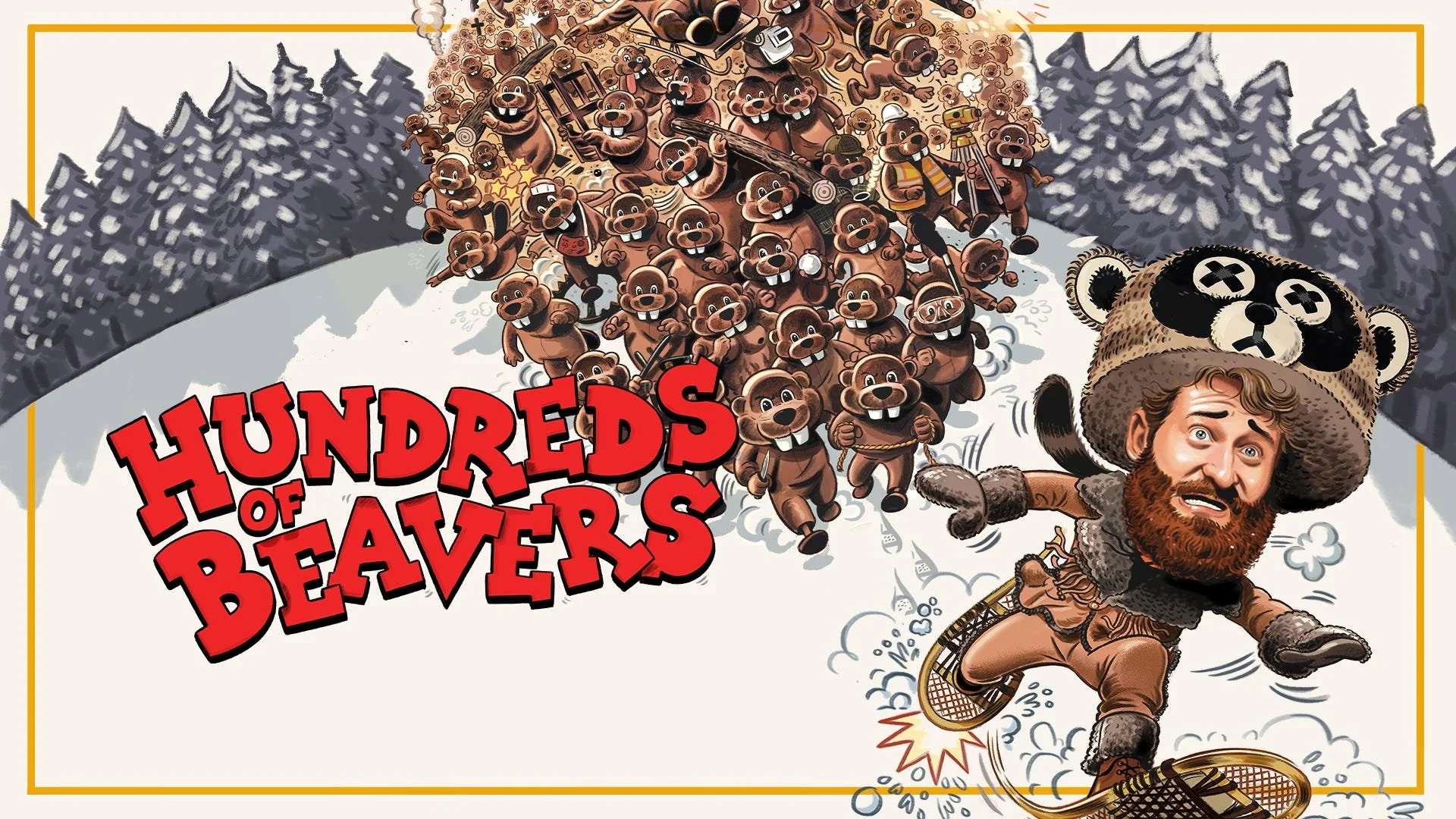
I had fun while watching Hundreds of Beavers - but more crucially, I felt alive. Getting to engage with something alongside others in such a visceral way was the precise experience I needed at this moment in my life.
Tron: Ares provides comfort through its immersion, and the coolness embedded into the very essence of this movie only further drenches the film in style. It’s enough for Tron: Ares to be a cool film above all else, because such an emotion and style is one that we don’t see much of as a primary emotion elicited in blockbuster films such as this.
Cracks of the original game’s shortcomings still manage to reveal themselves in this 2020 update, but Trials of Mana’s remake manages to at least surround those cracks with an armor that’s as pretty as it is promising. Trials of Mana is a promise about the potential of simplicity and how much of a place there is for games that meld simplicity and complexity.
Ninja Gaiden 3: Razor’s Edge’s commitment to being different is an act of creative bravery - the kind of which we deserve to see more of in video games and beyond. Being different is an essential part of making art and we need to reward and celebrate the instances of game developers choosing to embrace making their games different from what’s come before.
Making a game work in an open world context isn’t something that can be done by just taking a game and having it take place in a larger, non-linear environment. It takes strong direction to make open worlds work, and even then, there are many instances where an open world is simply incongruous with realizing a game’s greatest potential.
Illustrating what a game’s entire design looks like in a relatively short amount of time goes a long way at convincing the player of a game’s mechanical depth and diversity. Micro-challenges help accomplish this. Through creating brief snippets of game design that compartmentalize and test different mechanics, players can get introduced and brought up to speed with various facets of a game without ever being bombarded with multiple mechanics at once.
We need to rewrite the narrative about turn-based RPGs. Instead of being a genre often obstructed by the scary possibility (as perceived by some publishers, at least) that turn-based games inherently sell less because they’re perceived as outdated by the gaming masses, we should instead be celebrating and empowering developers for having the courage to make the games they truly want to make.
We’re in the midst of a quiet but powerful revolution in animated filmmaking. Through giving animated movies your time and support, we can turn this quiet revolution into a full-blown renaissance - one where the place of animation greatly expands and becomes a widely respected side of the industry that sees consistent innovation, creativity, and reminders of why movies are so special in the first place.
Weirdness is a vital component to storytelling - one that fuels human creativity in a way that nothing else can. It is for that reason that the conversation around weirdness in media needs to shift.
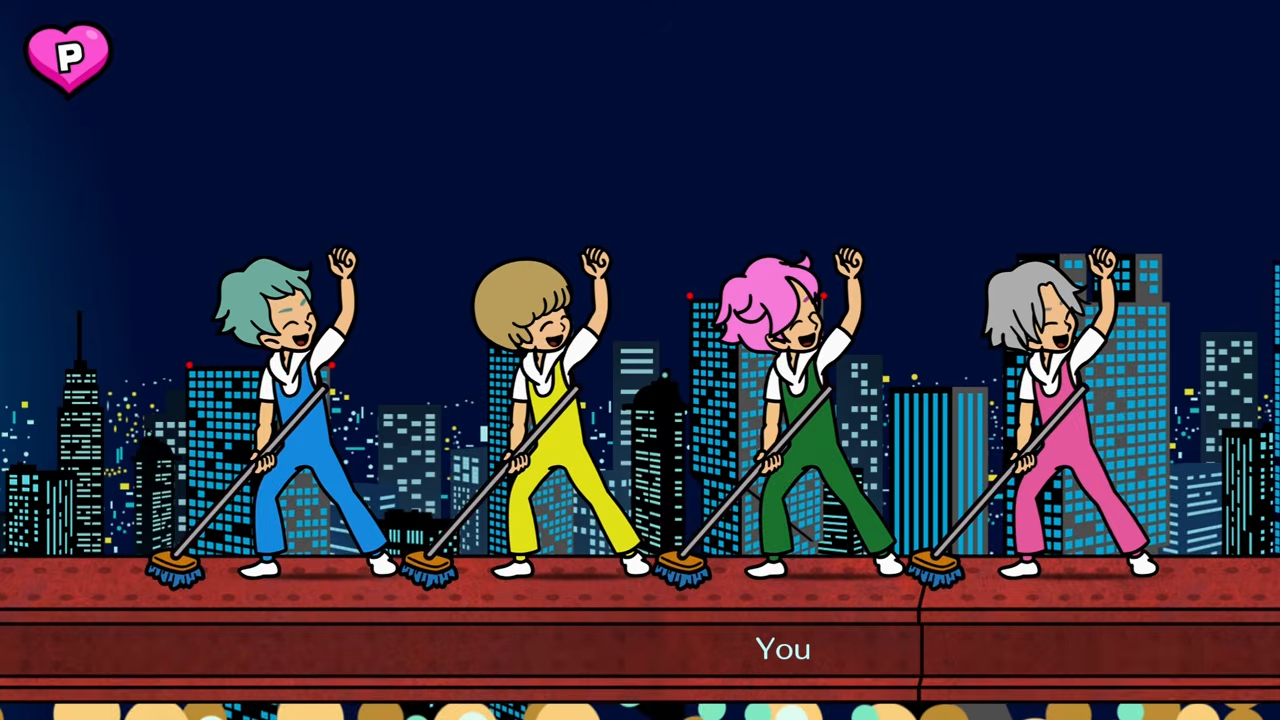
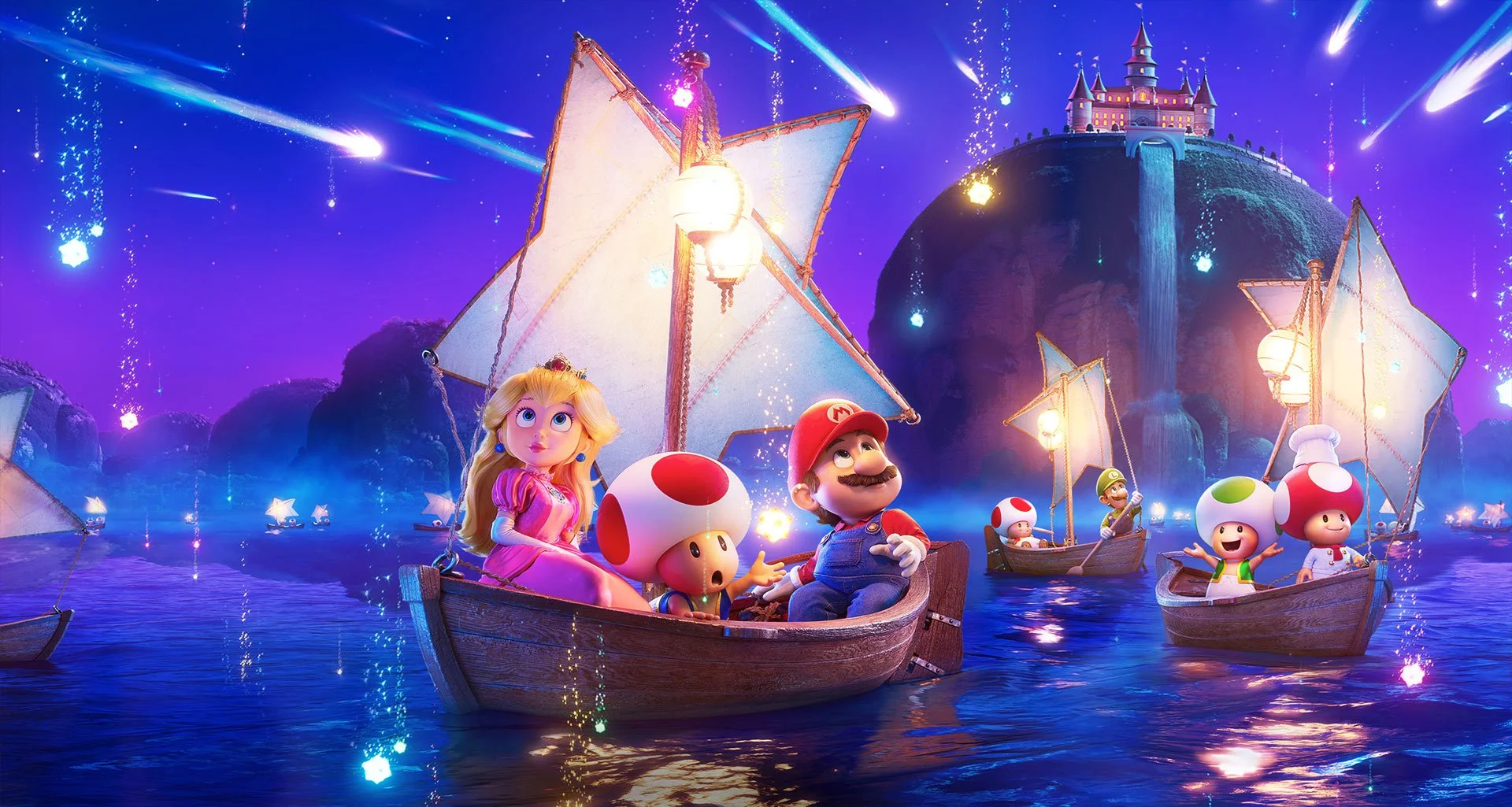
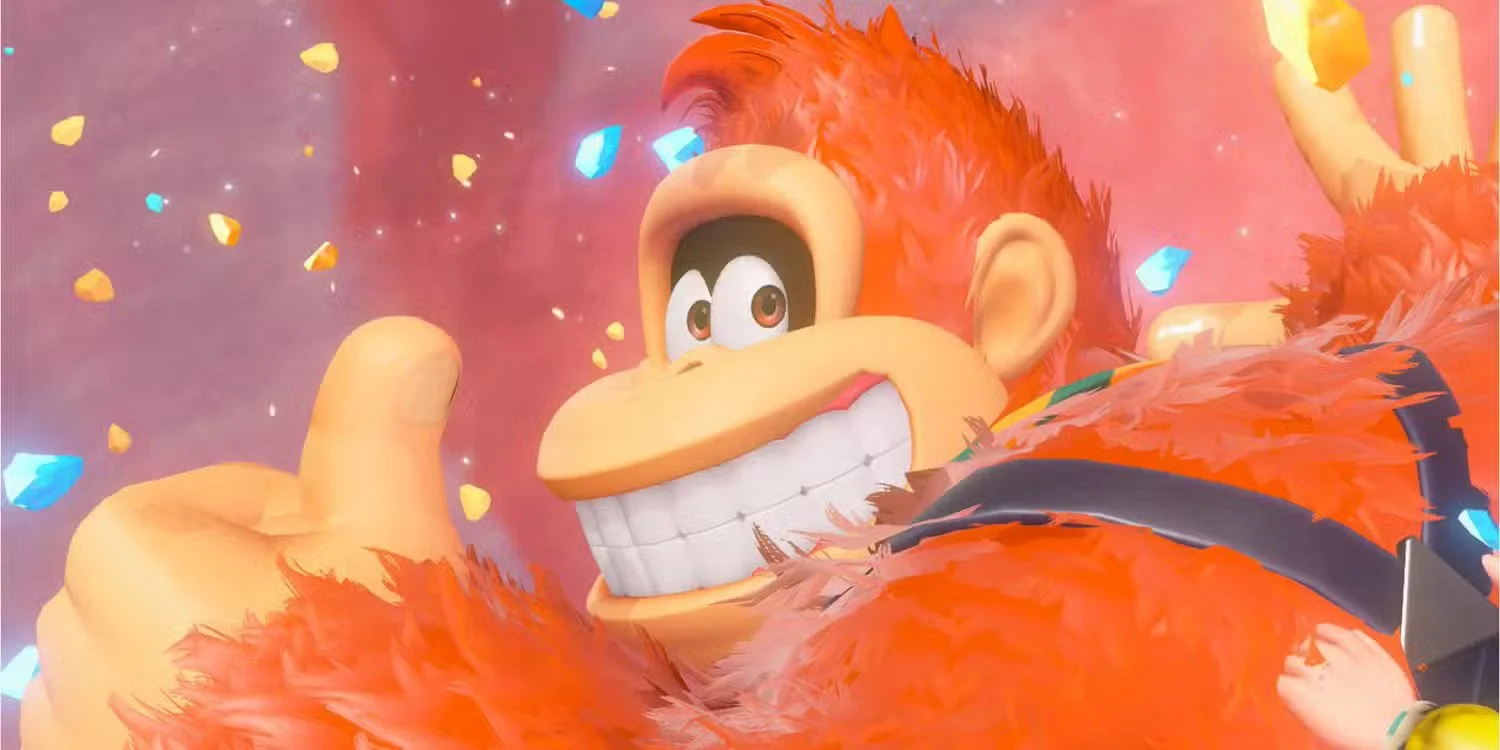
Despite all the darkness currently surrounding the industry, games like Super Mario Bros. Wonder and Astro Bot prove to be a beacon of light that remind us that there is still always hope for the future of games. Games that embrace fun, creativity, style, developer expression, and consumer-friendly release models still exist and they’re still thriving.
Breath of the Wild offers an unprecedented amount of adventure to the player - so much so that, even after four years, there are still many more adventures that the game invites players to embark upon. Breath of the Wild is ruthless in its devotion to keep players coming back to learn more and make more discoveries about it. That, above all, is what makes the game so unique and so magical, no matter how much time passes.
There is no one-size-fits-all strategy to announcing a project, nor is there a one-size-fits-all strategy for promoting a game pre-release. However, the differences in CD Projekt Red and Square Enix’s approach to marketing their biggest titles of 2020 do highlight that some strategies are more healthy and responsible than others. In an age where hype culture is so prevalent in the realm of gaming and in a year where two games suffered significantly different fates in large part due to how they were hyped and presented to the public, the term “hype responsibly” rings ever true.
Whenever we judge any kind of experience - a movie, for example - we judge its value off of the core experience of watching that film, but with video games, it’s not as easy to do so. While many certainly do judge a game purely off of what it offers in its core gameplay (i.e. the story in a narrative-driven game, a combat system in an RPG, etc.), the side content of a game is something that I feel deserves more attention and credit. And when side content is delivered in a way that is as well-executed as Super Smash Bros. Ultimate’s offerings, it’s hard not to stop and appreciate the smaller, side-experiences that help elevate a good game into a phenomenal one.
The separation of characters' stories and the frustrating limits of the characters' interactions with one another create a narrative experience that feels very fragmented. This fragmentation causes Octopath to feel like it hosts a party of characters that happen to be going on quests that take them in the same direction, rather than a party of characters that feel like they're going on a quest together.