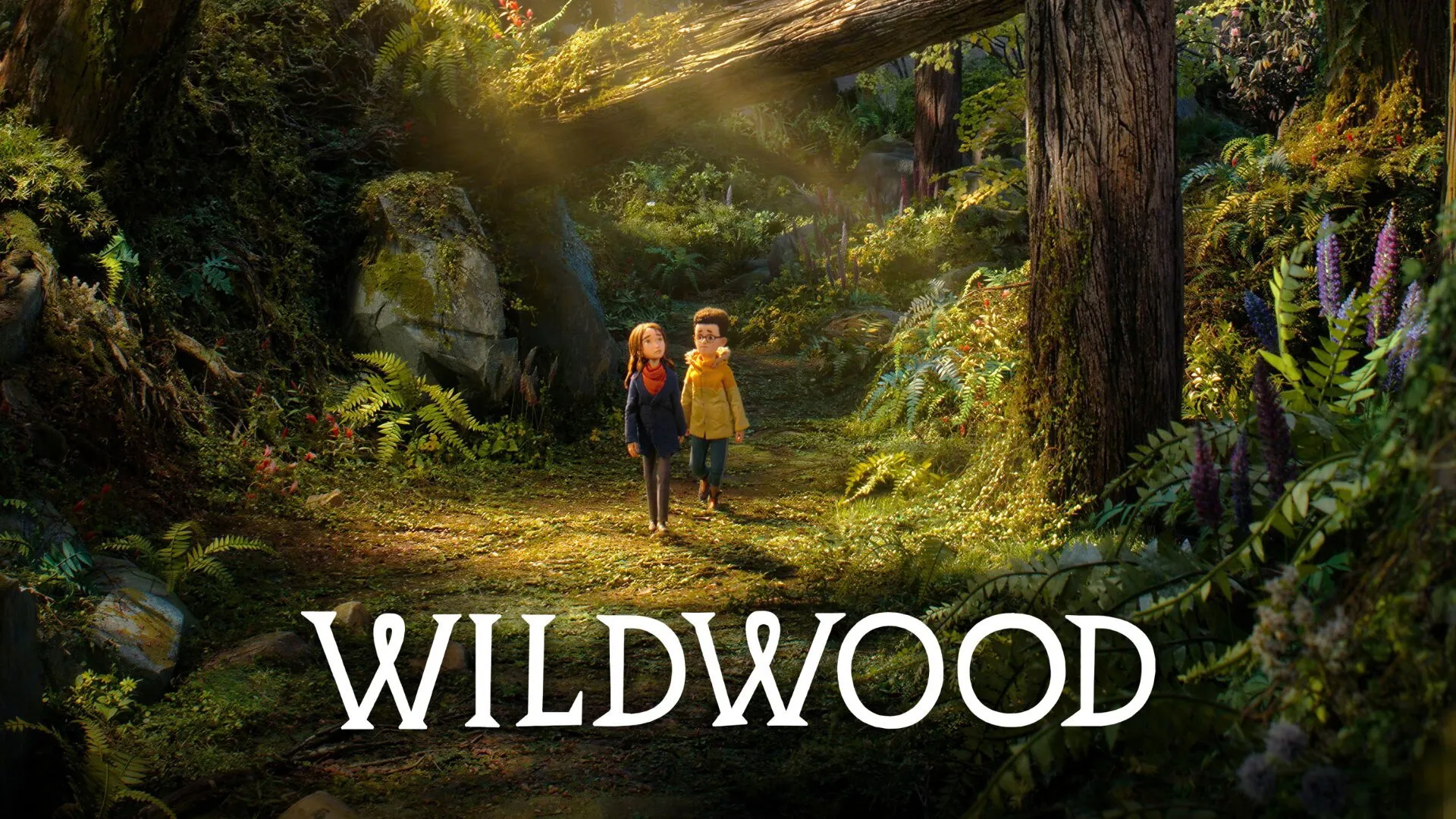
Wildwood Review: A Masterful Achievement in Animated Storytelling Craft
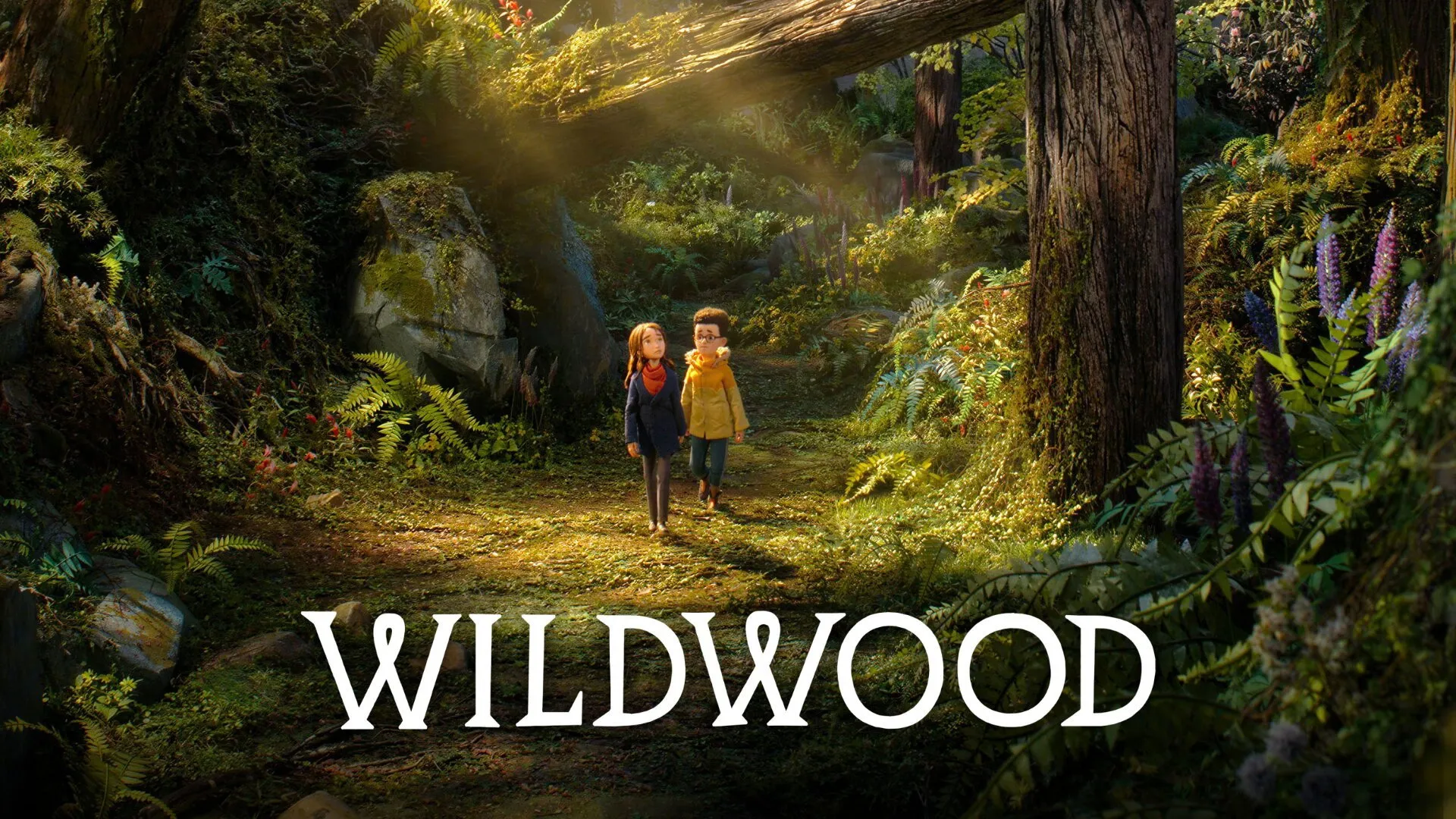
Wildwood is remarkable in many ways. It’s a visually spectacular film, a beautifully told story, and, most vitally, a testament to the power of limitless possibility and strength of human creativity. // Image: Laika
Storytelling has enamored me throughout my entire life. I’ve spent most of my existence getting immersed in larger-than-life worlds - so much so that my very relationship with art and storytelling is a vital part of my entire identity. Sometimes, that appeal comes from a place of the escapism that comes from stepping into a fantasy world. Other times, that appeal can come from thematic and intellectual intrigue that makes me look at the world a different way. In any case, the power of storytelling changes peoples’ lives. It has certainly changed mine.
But over time, it’s easy to take that for granted. As we spend decades of our lives consuming more and more media, it’s easy to become complacent, maybe even jaded by the media landscape. We become convinced that we’ve seen every kind of story there is to tell. Everything to come is just a variation on what has come before. The cynicism and mundanity of adulthood can cloud what attracted us to media in the first place. But every so often, there comes a work of art that realigns every onlooker. There comes a work of art that reminds you exactly what made you fall in love with certain forms of media in the first place. There comes a work of art that triggers your wonder and imagination in such a way that makes you a kid once more, falling in love with a medium all over again.
Wildwood is one of those valuable, rare pieces of media that is destined to reignite the love of film for any viewer.
I won’t claim to be entirely unbiased in this assessment. I’ve been a longtime fan of Laika’s work, ever since 2009’s Coraline. Laika’s following portfolio of films, while never quite grabbing hold of the public consciousness as much as their freshman effort, retain a type of scope, style, and ambition entirely unique to the studio. Laika’s collection of films, though small compared to many of the other animation giants of the industry, stands as arguably the most consistently high-quality collection of animated films anywhere in the industry.
Laika has become one of the only presences of stop motion animation in the entire film industry, only accompanied by the likes of Aardman Animations and the occasional Wes Anderson flick that feels like using stop motion. Of course, Laika’s output reveals why this type of animation has become as rare as it has - Laika’s films are expensive and come out slowly. Wildwood is perhaps the most extreme example of this thus far in Laika’s history. Released over seven years since their previous film, 2019’s overlooked gem Missing Link, and boasting a $100 million USD budget, Wildwood has a lot of resources dumped into it. It’s unclear if Wildwood has the capacity to make that budget back given its modest $15 million USD box office performance during its opening weekend, but if there’s any film to root for to earn its place in culture as an animated classic, it’s Wildwood.
Wildwood is a culmination of everything that Laika has accomplished over the last two decades. It has the mature, macabre sense of wonder from Coraline, the grand fantasy and scale from Kubo and the Two Strings, and an imaginative twist on the Pacific Northwest with a fun splash of humor from Missing Link that combines to create what I can only describe as an animated masterpiece. Wildwood embodies what the world needs more of: bold stories that aren’t afraid to conform to the perceived limits of animation. In an era where animated films look to appeal to wider demographics, Wildwood is remarkably bold. It is unafraid to be dark and potentially traumatizing to younger viewers, and that’s what makes it channel the strengths of legacy animation while wrapping it in a modern presentation that is a nonstop visual spectacle.
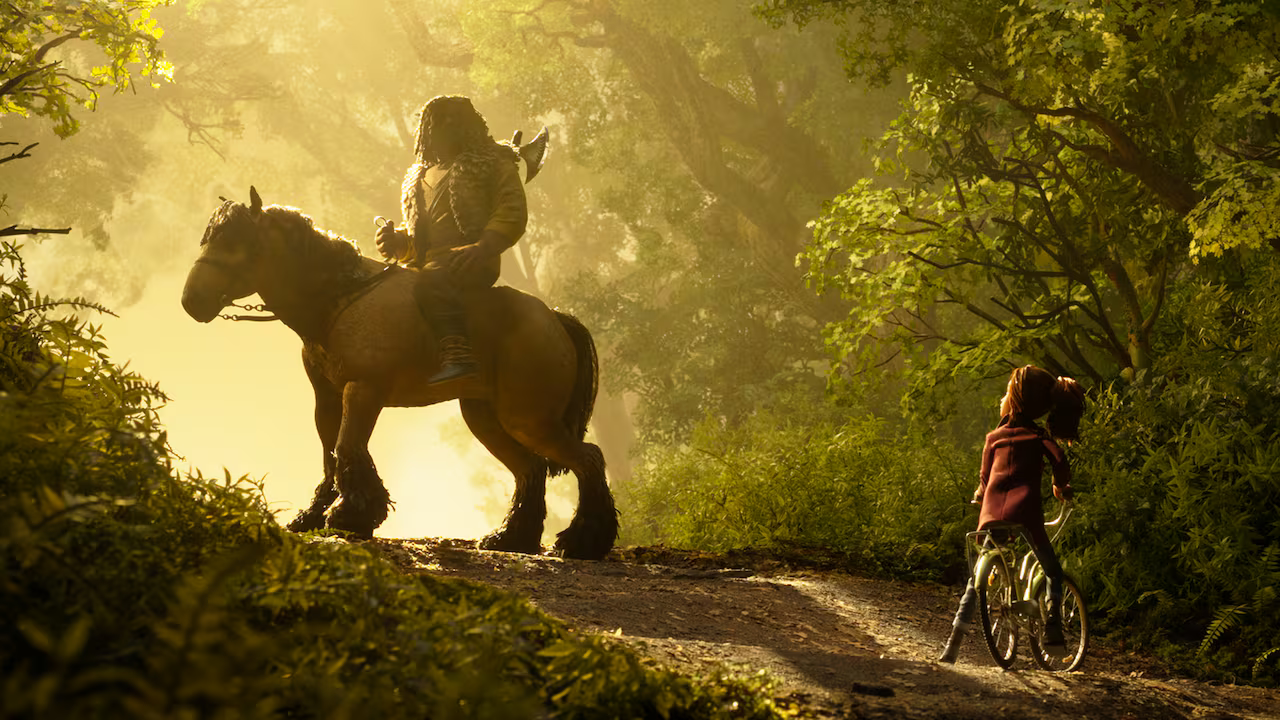
Wildwood’s beauty is self-evident. Its Pacific Northwest flavor of forest tribes being at war with another serves as a fantastic backdrop for a heartful story about place, belonging, and the consequence of sacrifices. // Image: Laika
Wildwood is the longest stop motion animated film of all time, clocking in at 2 hours and 11 minutes. One would think that the length of such a project would equate to the overall film having to spread its resources thinly to make such a runtime possible - a vital consequence unique to stop motion projects among animated films. And yet, Wildwood consistently looks gorgeous, otherworldly, and entrancing. The visual aesthetic of Wildwood is heavily stylized and features an attention to detail that doubtlessly rewards rewatches in the months and years to come.
Wildwood’s story primarily takes place in a mystical forest outside of Portland, Oregon. While the film spends a brief amount of time in protagonist Prue’s hometown, we spend the bulk of this film in the imaginative world of the forest, itself separated by species and cultures on the brink of war with one another. Prue finds herself caught in the middle of a conflict as she seeks to rescue her baby brother in a greater conspiracy that involves a promise that her parents made. What starts as a simple rescue mission becomes something significantly bigger and more epic - while never losing its emotional core throughout the journey.
Aside from its incredible animation and visual identity, what exactly makes Wildwood stand out?
Intrinsic to Laika’s quality of animation is their mission that their films seek to accomplish. Laika’s films are regularly dark and weird, and Wildwood is certainly the apotheosis of these traits. As quickly as the opening scene, Wildwood makes its PG-13 rating known by depicting dark, possibly disturbing imagery to certain viewers. This isn’t done for the sheer shock value, though - Wildwood’s opening communicates the emotional stakes that the following journey builds itself around. Wildwood uses its fantasy setting is more than merely an escape, but as a smartly constructed cautionary tale that evokes the vibe of a fairy tale.
Other scenes throughout Wildwood demonstrate a willingness from Laika and director Travis Knight to create a world that ugliness within its beauty. While the world of Wildwood is whimsical, vast, and imaginative, it also features a lot of cold-hearted people within it. This film’s universe features many dark, foreboding locations that contrast the warmth of the more naturalistic parts of the film’s environments. These contrasts come together to form a world that feels remarkably deep and believable - and the richness of the world is vital in creating a cinematic escapism that makes the film a brilliant watch.
Indeed, Wildwood is a film that reminds me of why I gravitated to films and fantasy so heavily as a child. On top of depicting a beautiful, mesmerizing world that captures the imagination and eyes alike, Wildwood features a broad narrative that channels different vibes, tones, and features of a film that make the 2 hours and 11 minute-runtime fly by. Wildwood invites the viewer to an adventure and commands their attention the entire time in an era where certain distributors such as Netflix seek to make watching films a “second screen experience”. Wildwood features a lot of moving parts, demanding emotional involvement from the viewer - which goes on to twist those very emotions with the film’s many twists and revelations.
This isn’t to say that Wildwood is an avant-garde film that’s dark for the sake of it. Wildwood features incredible pacing that mixes fantasy intrigue, story reveals, and strong-but-subtle humor that prevents any particular element of the film from overreaching in any particular direction. What helps make Wildwood such a delight to watch is its pride in what it is. Where other films may relent in crafting dark stories with characters that feature shades of moral ambiguity, Wildwood is unapologetic in its commitment to complexity and tone.
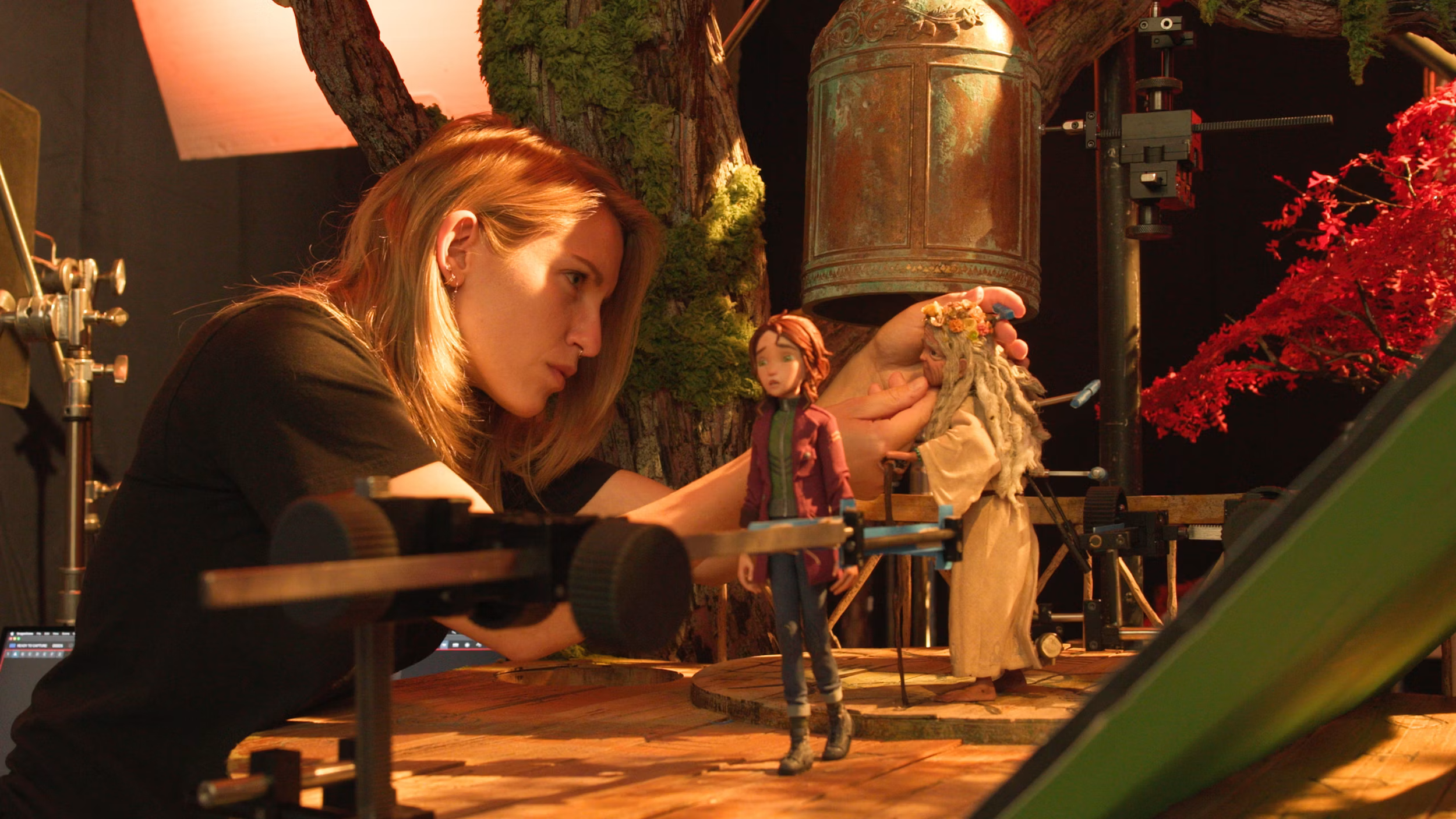
Wildwood is a consistently visually impressive film. Whether a scene is quiet and features two characters talking or sees a grand battle play out between hundreds of characters, the work that went into making Wildwood a finished product that you can watch is a remarkable achievement. // Image: Laika
What has kept Wildwood in my mind since viewing is its timelessness. The meticulous craft and dedication that went into making Wildwood look and feel as good as it does is evident in every frame. Stop motion has effectively been abandoned by much of the animation industry for multiple reasons, so the fact that Laika has chosen to stick with this style of animation and have used to tell such an ambitious story makes it an admirable film.
What catapults Wildwood from being an admirable film to one that I think is a masterpiece is the regard it gives to its audience. Wildwood is a deeply mature film that doesn’t view its status as an animated film to play things safe or dumb things down. If anything, Wildwood bears even more responsibility on its shoulders by being a film willing to tackle challenging subjects in a way that’s applicable yet digestible for both younger and older audiences. That’s a challenging task for any film to undertake, and yet Wildwood not only does this, it does so while taking incredibly large swings. There are certain scenes in the film’s third act that feature hundreds of characters onscreen, with visceral and sometimes violent imagery consuming the screen. The spectacle in itself is incredible, but taking into consideration that every single character and part of the environment are individually animated makes this film impossible to not look at in awe.
I have seen over 150 movies in theaters this year. As someone that immerses themselves deeply into the culture and possibilities of movies and storytelling, I find it to be a very special occasion when a movie is able to make me forget the monotony and stress of everyday life and completely transport me to a different world. Even among animated films, I rarely find myself getting lost in a fictional world and get fully immersed in a film’s unique vision in the way that I did when I was younger. And yet, Wildwood achieved just that - and I think this is in large thanks to how vividly Wildwood realizes its vision. This is an unrelenting movie that achieves cinematic escapism in ways that few movies ever could. Wildwood is a special movie and is arguably the crowning achievement of Laika up to this point in their history.
Wildwood is a movie so good that it begets thought about how we deserve more instances of the escapism that Wildwood effortlessly captures. And yet, that escapism was, in fact, captured by rigorous effort, resources, and heart. That much is self-evident with every frame of animation. And that, above all else, is what makes Wildwood such a remarkable achievement.
In an age where art is under threat by AI and automation, Wildwood is a beautiful showcase of the power of human craft. Through unrelenting passion and hard work, any storyteller is capable of transporting their audience to another world and make them get lost in the power of the world, characters, and narrative that they’ve built. This is precisely what Wildwood accomplishes, done at a time when this is achievement is more impressive and more important than ever before.
Wildwood is a firm reminder of why storytelling has enamored me throughout my entire life. And truthfully, I think it will be that for anyone that watches it. This is a film that we will continue talking about and thinking about for years and decades to come. It will form future generations’ perceptions of what films, animation, and storytelling can achieve. More than anything, Wildwood will be remembered as a film that proves that the power of human creativity always has and always will reign supreme.
Final Grade: A+
Thank you very much for reading! What are your thoughts on Wildwood and Laika’s other films? As always, join the conversation and let me know what you think in the comments or on Bluesky @DerekExMachina.com!