The Games Industry Needs Another Blue Ocean
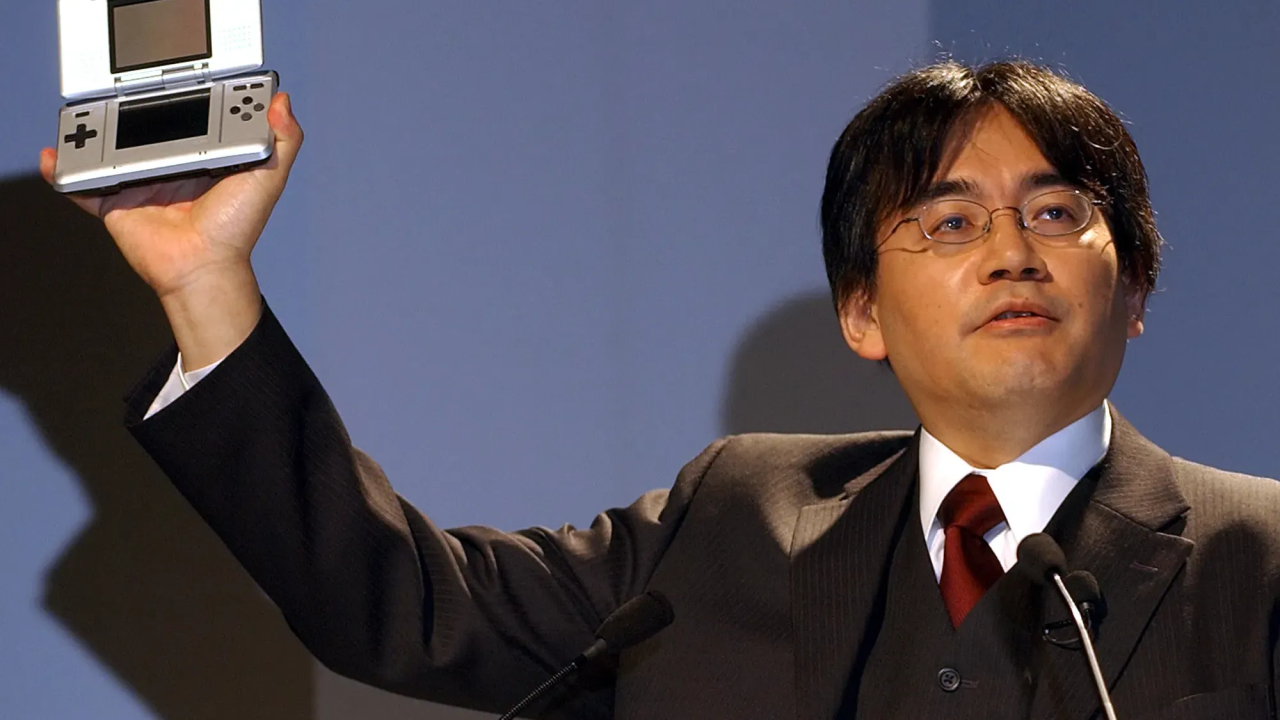
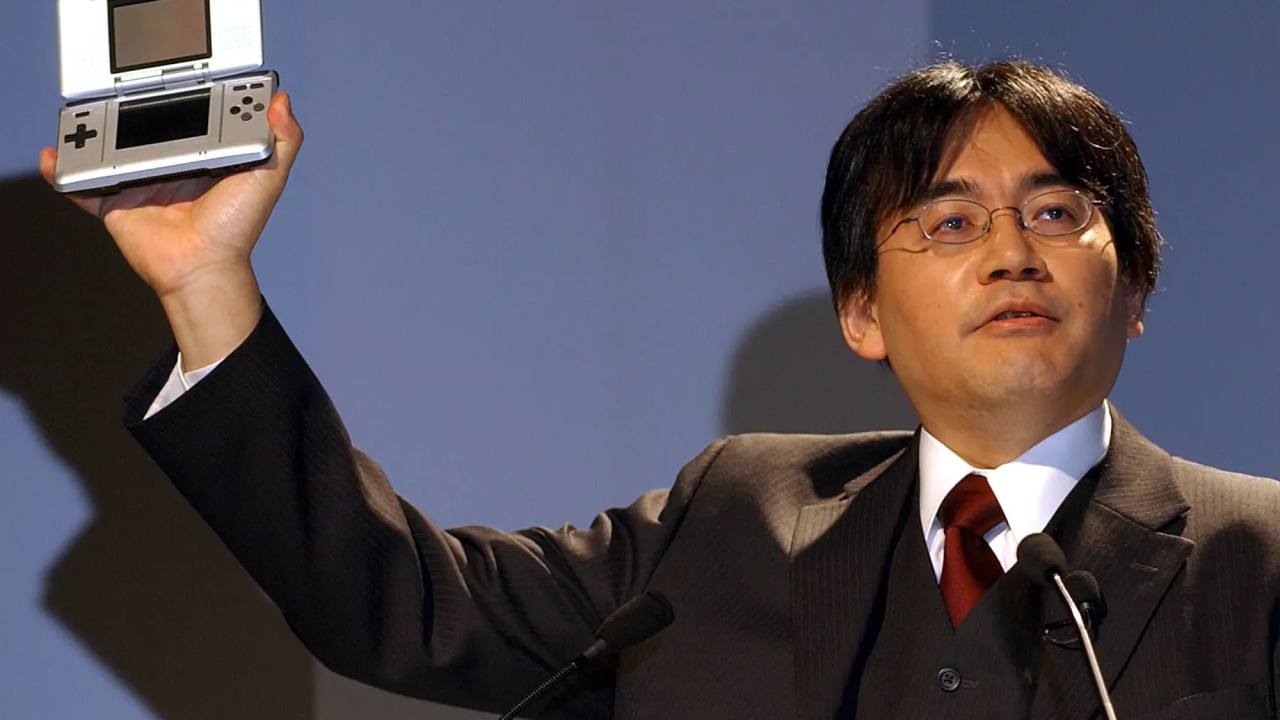
Satoru Iwata became CEO of Nintendo at a critical time in the company’s history. Nintendo hardware had seen a downward trajectory over multiple generations of consoles and handhelds. Instead of directly competing with other console manufacturers, Satoru Iwata chose to approach a blue ocean strategy. This culminated in the Nintendo DS and Wii - the two platforms that composed one of the company’s most successful generations to date. / Image: Nintendo
In the early 2000s, it became clear: the writing was on the wall for Nintendo.
For four console generations in a row, the company saw declines in hardware sales for their flagship consoles. The Family Computer, or Famicom, released internationally as the Nintendo Entertainment System or NES, sold just shy of 62 million units worldwide - an impressive feat for the Big N’s freshman effort in home console development. Each subsequent console release, however, sold less than what had come before. The Super Famicom / Super NES sold 49 million units - moving roughly 12 million fewer than what its predecessor accomplished. The Nintendo 64 and GameCube continued this trend, each console selling 10-15 million fewer units than the previous console.
Nintendo’s handheld offerings were seeing a similar trend. The original Game Boy and Game Boy Color sold a combined total of 118 million units, with the Pokémania of the late ‘90s being a shot in the arm for the system’s sales well into its life. This major success was followed by the Game Boy Advance, a system that sold 81 million units - a doubtlessly still impressive achievement, but one that was still an ostensibly downward trajectory.
Across the board, Nintendo’s hardware sales had been declining with each new release. New competitors Sony and Microsoft entered the video game space with the introduction of PlayStation and Xbox, respectively. Garnering increased market share in an increasingly competitive industry proved to be a monolithic task, as it was enough to force Sega, once Nintendo’s greatest competitor, to exit the console manufacturing business.
Was Nintendo next on the chopping block? Was there a chance that Nintendo would be forced to abandon the business of producing console and handheld gaming devices? Were they fated to become a third party publisher and developer like Sega? With the trajectory that sales were going, the possibility wasn’t out of the question.
Things needed to change.
But change in any industry is difficult. In an industry as young and relatively unproven as the video games industry, meaningful change can be impossibly herculean. But in this instance, it was perhaps necessary. The PlayStation 2 was particularly dominant during the sixth console generation, dwarfing its competitors in sales. The console sold a whopping 160 million units, whereas the Xbox sold 24 million units, the GameCube sold 21.74 million units, and Sega’s final console, the Dreamcast, sold just over 9 million units. Although the GameCube and Xbox were released after the PlayStation 2 and featured more powerful hardware, they failed to provide something that the PlayStation 2 delivered in spades: value.
The PlayStation 2 brought an immense amount of value to consumers due to how versatile it was as a machine. If you wanted to use the PlayStation 2 purely as a console for playing brand-new releases, you could do that. But you could also play the huge back catalog of original PlayStation games via backwards compatibility. Most games performed slightly better when played on the PlayStation 2, particularly showcased through shorter load times. One of the biggest selling points of the PlayStation 2, however, was its compatibility with DVDs, making the console an incredibly affordable DVD player at a time when these devices were relatively fresh (and expensive) on the market.
This is to say nothing of the quality of the PlayStation 2’s original library, featuring hundreds of exclusive games from both first party and third party developers, making for one of the most beloved consoles and game libraries of all time. The PlayStation 2 succeeded as well as it did because it competed against other consoles very aggressively - and it worked. The Dreamcast barely sold over 5% of what the PS2 did, and other consoles didn’t fare much better. While Microsoft was a newcomer to the video game industry during this generation, veterans Sega and Nintendo struggled to make consumers come to their consoles despite having industry legacy and a wealth of established IP to work in their favor.
It is during this moment in the industry’s history that we see the structure that once defined it. Multiple console manufacturer’s compete against each other with exclusive games and the occasional unique hardware feature to acquire a market share of video game players. At their core, each of these home consoles provide similar gaming experiences, meaning that the bulk of each respective console’s unique appeal came down to the exclusive games released for it.
This particular moment in the industry’s history is notable, because the end result was effectively a repeat of the previous console generation. The fifth generation of consoles ended with the PlayStation massively outperforming the Sega Saturn and the Nintendo 64. All three of these consoles had strong libraries in their own right, but the PlayStation’s runaway success was largely due to the relatively cheap price of the console and the quantity of games that it had in different genres that appealed to different players.
As much the Dreamcast, GameCube, and Xbox tried to apply this lesson in its own libraries (such as with Nintendo’s partnership with Capcom to make exclusive games for the GameCube via the “Capcom Five”), even this wasn’t enough. No one can argue that the Dreamcast, GameCube, and Xbox all have worthwhile games that cater to fans of different genres and styles of games, but it still wasn’t enough.
At their core, the PlayStation 2’s competitors were perhaps too similar to the PlayStation 2, and they lacked features like backwards compatibility and DVD playback functionality that gave the PS2 a competitive edge and made the machine such an incredible value. By offering less value, the decision to buy a Dreamcast, GameCube, or Xbox over a PlayStation 2 largely came down to what particular games people wanted to play more. Given the structure of the games industry at this time, it felt inevitable that, if players were to only choose one console to play on throughout the generation, they would choose the one with the best value. Since the other consoles didn’t offer a significantly different gaming experience than what was offered on PlayStation 2, there wasn’t much to fear missing out on aside from first-party Nintendo or Xbox games.
While this was how the games industry functioned at this particular moment, this structure and status quo wasn’t set in stone. Industry structures are not a given; they can be shaped. From the 1980s to the mid 2000s, the games industry functioned with every company using a red ocean business approach.
This business approach is akin to its namesake: a bloodbath where one company seeks to be the one that dominates over all others. It’s about matching another company’s strengths and weaknesses to the opportunities and threats present in the industry. While this business approach creates competitive spirit, as was most famously showcased in Nintendo and Sega’s rivalry circa the early ‘90s, it can lead to stagnation and tunnel vision within an industry.
The fifth and sixth generation of consoles were largely defined by advancements in technology, making 3D games become the norm for large-budget releases. Similar advancements in sound quality and storage size made the likes of voice acting and fully orchestrated soundtracks a commonality. Little else brought true innovation to the way games are played, save for the N64’s four controller ports and the odd experiment like Nintendo’s eReader accessory. As future console generations would confirm, graphics and sound would never make such rapid advancements as they did in these console generations ever again. We’ll never experience a generational shift of SNES-to-PS1-to-PS2-level graphics in any future generation of gaming hardware. Because of that, advancements in graphics and sound aren’t enough to comfortably carry a company through a generation.
Fast-forwarding to modern day, we’re seeing a similar level of complacency in the status quo and structure of the industry. Over the 2020s, there has been shockingly little advancement in redefining the way we play games. Rather, the bulk of this industry has reverted to refinement and iteration - which inevitably leads to complacency, stagnation, and, at worst, corporations taking advantage of the status quo. We’re already in the process of seeing the consequences of this. Sony’s recent announcement to end production of physical media likely comes out of a confident assumption that they’ll be a major part of the games industry’s structure no matter how much they anger consumers. Meanwhile, the ongoing implosion (read: layoffs and downsizing) at Xbox has, in part, been due Microsoft’s lacking ability to provide a meaningful reason to own an Xbox and presuming that legacy and IP are enough to entice people to bring people to their platform.
Is the games industry in a good place right now? In terms of sales of currently available hardware, namely the Nintendo Switch 2 and PlayStation 5, and their respective major releases and the performance of third-party and indie games on all platforms including PC - things seem to be fine for now. But how long can that last? As the ongoing AI craze is causing prices for memory and other components to skyrocket, how much longer do we have until the status quo of the games industry becomes financially impossible for most consumers to partake in?
I’ve found myself thinking about this quite a bit over the last year, as we’ve seen something unprecedented happen in this industry. Instead of hardware prices going down as components to produce older systems get cheaper, we’ve seen an uptick in hardware costs, making gaming, whether on console, PC, or even mobile, to become more expensive than it ever has been. Games are in danger of becoming a luxury that prices out many consumers. If such a thing is allowed to happen, this industry and the people that work in it, are going to go through an upheaval the likes of which may be unprecedentedly catastrophic.
I would like nothing more than to prevent that from happening. However, I think the only way that the games industry can truly survive is if the industry adapts and begins to look for new ways to make games and hardware more affordable while also changing the way we play games in order to bring even more people in. The only true way to do that, I feel, is to embrace the way of the blue ocean strategy.
In the second of my two-part series on salvaging the state of the games industry, let’s discuss how a blue ocean is what this industry needs, whether we realize it or not.
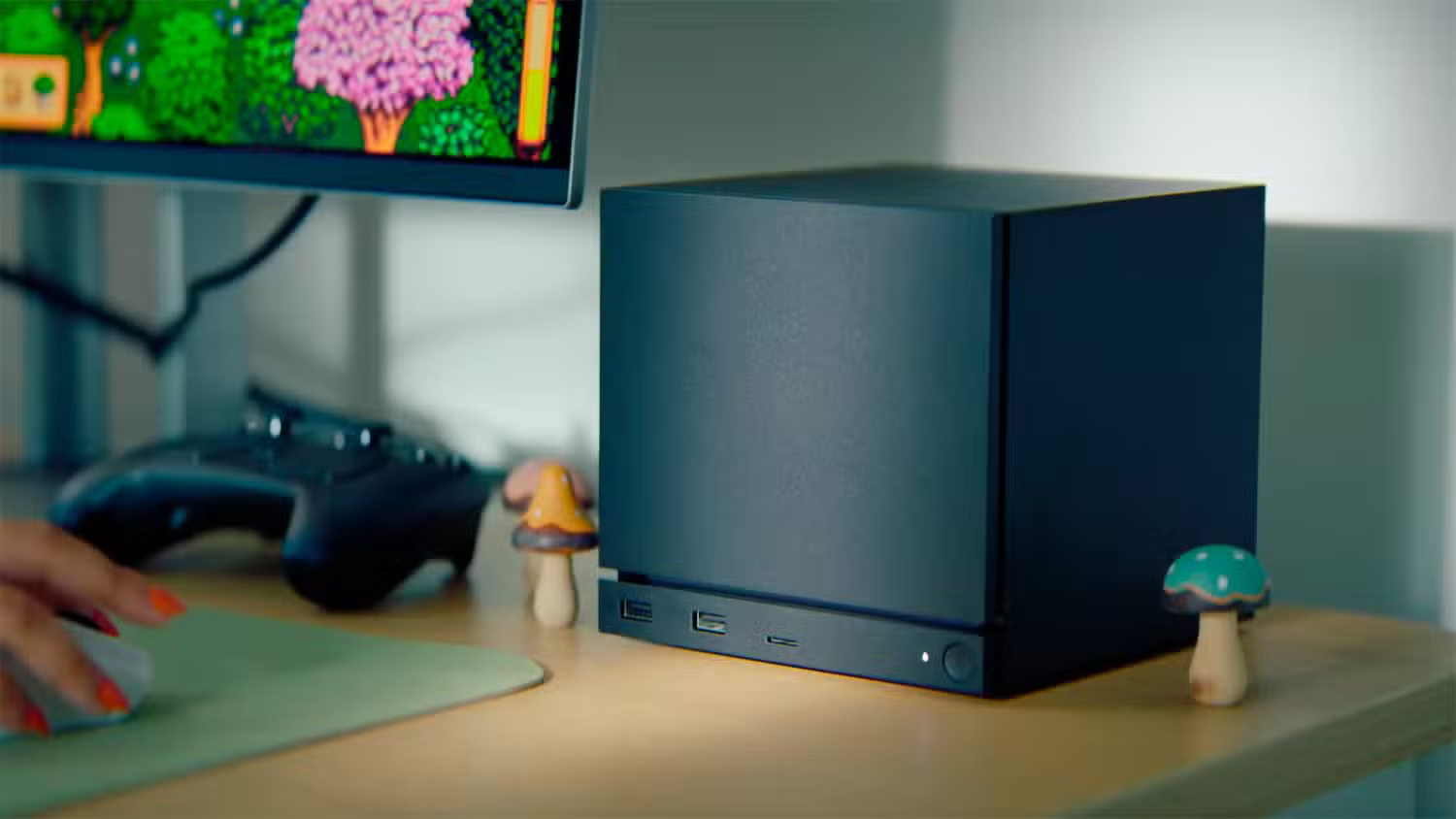
Upon its 2025 announcement, Valve’s Steam Machine was poised to become a genuine disruptor in the console and gaming PC spaces. However, its price tag ballooned thanks to memory shortages courtesy of the AI bubble. Most excitement for the machine faded once its price was revealed, with SKUs ranging from $1049 - $1428 USD. If this is a sign of what to expect for future hardware, things need to change. // Image: Valve
An essential part of this conversation is to acknowledge the trajectory that the traditional red ocean of the games industry has been leading to. The red ocean strategy is largely defined by three activities: compete in an existing market, beat the competition, and exploit the existing demand. In the context of the games industry, we see this in the form of the prevalence of hardware manufacturers and/or the ecosystem of each platform on console, PC, and mobile.
Generational cycles have been the norm for the industry for as long as it has existed. Every couple years, advancements and innovations in technology manifest in new hardware that can process more complicated games with better graphics and technical capabilities. Nearly every console generation has been defined by some major advancement in graphical fidelity and/or processing improvement that makes games feel like a generational improvement upon what came before.
The PS3 and Xbox 360 were largely defined by the advancement of standard definition to high definition graphics, whereas the PS5 and Xbox Series consoles’ implementation of SSDs for memory meant long loading times would become a relic of the past. Generational traits like this have largely been the norm for every 5-8 years when we see new hardware released from the industry’s major players. But as time has gone on, a limitation of the red ocean has made itself apparent: the approaching ceiling.
It’s no secret that we’re seeing diminishing returns with regard to how significant generational leaps are between releases of hardware. When the industry transitioned from the SNES / Genesis era to the PlayStation / Nintendo 64 / Sega Saturn era, the advancements made in processing opened doors for brand-new types of games. New genres were born during this generation, and previously existing genres and franchises had to reinvent themselves to work in a 3D context. Nearly every generation of hardware up through the 2010s invited new types of games to be made thanks to the new possibilities afforded to game development by more capable hardware.
However, the generation going from PS3 / Xbox 360 to PS4 / Xbox One was a notably less significant leap than any generational shift that had come before. The following generation to PS5 / Xbox Series consoles was even less. While there have been advancements in data streaming and loading, new possibilities for game development aren’t opening up in the way that they were for previous generations of hardware. This isn’t necessarily a bad thing - but it is highlighting an issue: we’re reaching a power ceiling for hardware. We’ve been seeing a steady decrease in a graphical jump between generations where it now begets asking: is seeing even smaller jumps in the future worth the gargantuan price tag that’s going to accompany more powerful hardware over the next few years?
This is a conversation that needs to be had now before the ongoing memory crisis causes prices for tech products to further balloon. How much do we really need future generations of hardware to be leaps in graphical fidelity? If the typical players in the hardware manufacturing business continue with the red ocean status quo, the next consoles from Sony and Microsoft will doubtlessly be luxury items. Analysts are already predicting that these systems will likely launch for over $1000 USD, and that prediction carries more weight given Valve’s most recent hardware release.
Over the last year, we saw the announcement and release of Valve’s latest hardware: the Steam Machine. Upon its announcement, Valve’s “GabeCube” was met with universal excitement. Many saw the device as powerful enough to be an ideal entry point into PC gaming. The Steam Machine was a true marvel in engineering, and it was perfectly poised to disrupt the pre-built PC market and potentially even the console market. It was immediately apparent that the Steam Machine was an impressive piece of hardware and reasonably powerful to boot. The degree of success this product would see, however, hinged on whatever its pricing was going to be.
Tragically, Valve ended up getting screwed over by the very memory crisis the world finds itself in due to AI data centers gobbling up much of the world’s memory supply. According to reports, the Steam Machine was initially projected to MSRP at around $750 USD, but due to the memory shortage, the final product ended up launching at nearly double that price, with the most expensive Steam Machine SKU retailing at $1428 USD.
This sticker shock did more than deflate peoples’ excitement for the Steam Machine - it inextricably changed the hardware’s fate. What was once a potential disruptor to the pre-built PC and console market was now a niche product that appeals to a smaller number of people. The Steam Machine doesn’t offer nearly the amount of power one would get from a pre-built PC, so many consumers looking to get into the PC ecosystem would likely look at the Steam Machine and not see the value given that, if they spend a few hundred dollars more, they can get a significantly more powerful machine on their hands. As a potential gateway into the PC ecosystem, the cost is simply too high to appeal to those apprehensive to get into PC due to the high initial prices. To put it bluntly, the Steam Machine’s price ultimately prevented it from appealing to the markets it was likely designed to cater to.
The Steam Machine’s fate isn’t a cautionary tale - it’s a sign of things to come. I don’t foresee the rising prices of hardware to change their current trajectory anytime soon - and if that’s the case, then four-figure consoles seem like an inevitability. If that happens, we’re going to see this industry inevitably shrink. Less people will buy hardware and feel priced out of the hobby altogether. If we continue down this red ocean, this is the path it will lead - and companies, employees, and consumers will all suffer for it.
And think: all of this…for games to look iteratively better than they do today. I simply refuse to think that it needs to be this way. Participating in the red ocean of competing directly with other companies via releasing more powerful hardware is not going to lead to a better games industry. At least, not in this moment. Now more than ever, we need to think of another way - an alternate path where more powerful hardware perhaps isn’t necessary. And in the wake of that alternative, new way forward, new types of games will emerge. New ways to play games will make themselves known. And as the industry focuses on new types of experience via a blue ocean strategy, perhaps that will bide the industry time for the memory crisis to resolve itself and see hardware prices come back down.
Is this vision a naively idealistic one? Probably, yeah. But it begets remembering: so many of the best, most successful games that come out don’t require powerful hardware. Some of the most brilliant games of the last decade are playable on relatively weak hardware. So we clearly don’t need powerful hardware. We don’t need to continue amidst the red ocean to keep making more powerful hardware since so many games won’t get anything out of the additional horsepower anyway. So why commit to it?
Why not pursue a blue ocean instead?
I stated earlier that a red ocean strategy largely revolves around competing in an existing market space, beating the competition, and exploiting existing demand. The appeal of a blue ocean strategy is that it is a rejection of this dogma. Rather than maintain the status quo of conventional competition, blue ocean strategies put value in creating uncontested market space, making the competition irrelevant, and creating and capturing new demand.
In their excellent book on the subject, BLUE OCEAN STRATEGY: How to Create Uncontested Market Space and Make the Competition Irrelevant, W. Chan Kim and Renée Mauborgne discuss how there are no permanently excellent companies. The only companies that become truly excellent are ones that embrace risk-taking; that become willing to creatively shape the market through creating a new market space to bring new consumers and reframe what the market can truly be.
“In red oceans, industry boundaries are defined and accepted, and the competitive rules of the game are known. Here, companies try to outperform their rivals to grab a greater share of existing demand. As the market space gets crowded, prospects for profits and growth are reduced. Products become commodities, and cutthroat competition turns the red ocean bloody.
Blue oceans, in contrast, are defined by untapped market space, demand creation, and the opportunity for highly profitable growth. Although some blue oceans are created well beyond existing industry boundaries, most are created from within red oceans by expanding existing industry boundaries, as Cirque du Soleil did. In blue oceans, competition is irrelevant because the rules of the game are waiting to be set”.
Kim, Mauborgne 27
The rules of the games industry have caused much of the industry to go down a path wrought with layoffs, studio closures, and increasingly expensive hardware. Professionals in the industry and consumers alike are rightfully frustrated by the way the games industry has been behaving - and I think a large part of this is due to the bloodbath that the red ocean strategy has led the industry down.
Blue ocean strategies are as valid of an approach as they are because they’re not just about doing something new for the sake of it. Blue oceans seek to capture new audiences while also cutting costs across business. By reducing costs and investing in new ideas and frameworks to appeal to a new, broader market, blue oceans can be financially lucrative. And I think there’s no better example of this paying off than with Nintendo circa the mid 2000s.
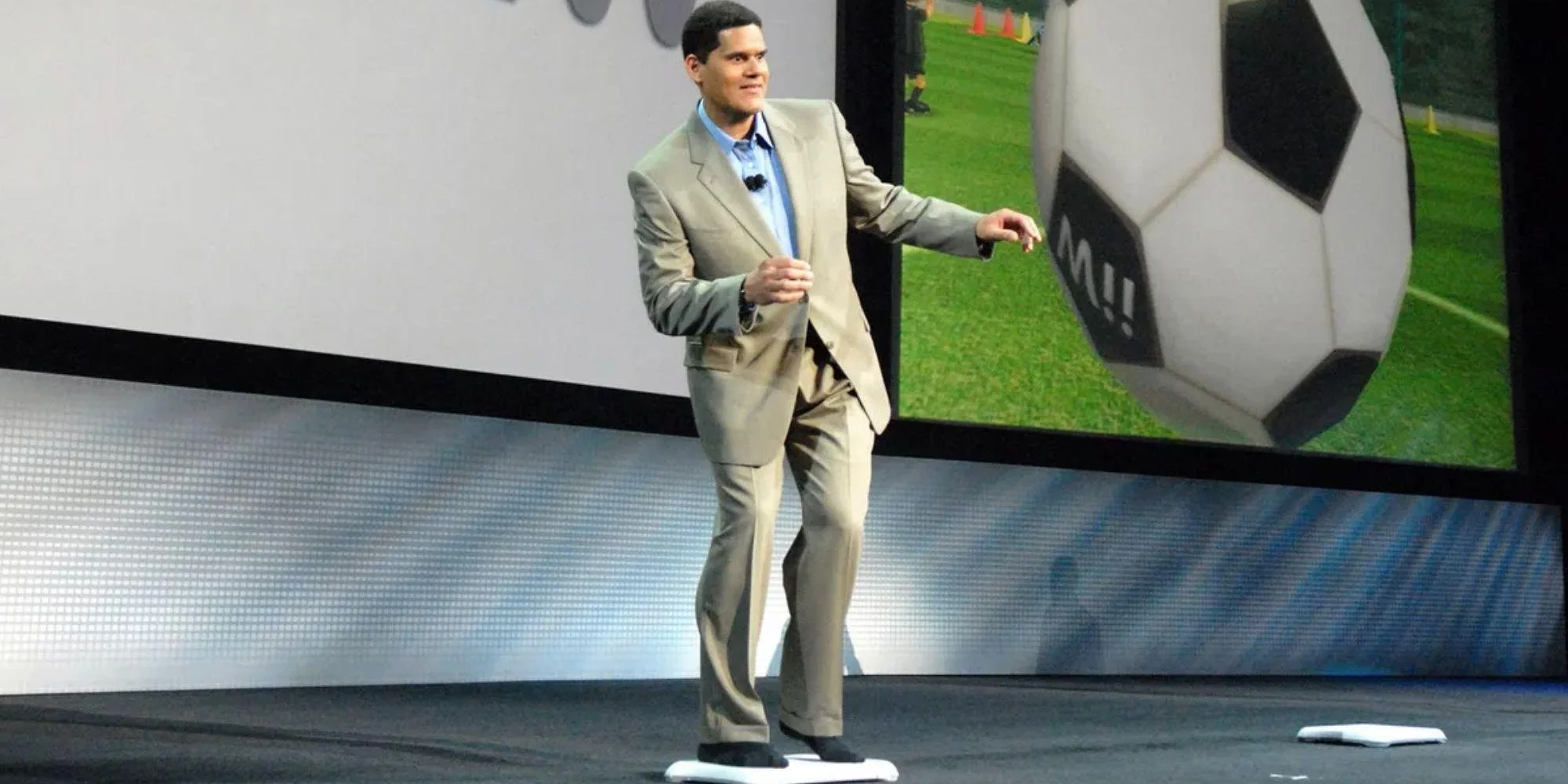
The Nintendo DS and Wii have interesting legacies. They were seen by the hardcore gaming audience as Nintendo’s departure from the conventional gaming space. But that was precisely what helped shape a new generation of Nintendo fans. These systems changed the way games were played and brought new experiences with it. This departure was bold and it perhaps alienated those used to “normal” games, but it brought forth new lifelong fans into the Nintendo ecosystem. // Image: Nintendo
When Satoru Iwata inherited Nintendo from Hiroshi Yamauchi in 2002 as the company’s new CEO, it was clear that change was necessary. Being a traditional competitor in the console and handheld market was repeatedly leading to declining sales. So instead of continuing to play the same game that the company had done for decades at this point, Satoru Iwata led the company down a different path - one that would see them no longer be interested in directly competing with other console manufacturers.
While the PlayStation Portable and Xbox 360 launched in the mid-2000s brought genuine disruptions to the traditional portable and console markets, respectively, Nintendo sought to change the way games were played in order to attract new audiences to their platform that had been slowly but surely shrinking. 2004 saw the release of the Nintendo DS, and was originally pitched to the public as a “third pillar” for Nintendo (likely done in case the system flopped and Nintendo had to fall back on the Game Boy Advance). The at-the-time novel idea to implement a touch screen into playing games gave the system a wide appeal. While early titles in the handheld’s lineup were new installments in legacy Nintendo franchises, such as New Super Mario Bros. and Metroid Prime Hunters, the success of the Nintendo DS generation came from unconventional hits such as the Brain Age titles, which brought in an influx of older players that were, up until then, alienated from the broader games landscape.
Brain Age blurred the line between game and educational application, and its intuitive touch screen controls made it easy to understand for people unfamiliar with playing video games. The result was a game that sold over 19 million units. This sales milestone was achieved not through making a traditional game that appealed to the existing Nintendo fanbase, but rather through seeking to welcome in a wider demographic that hadn’t yet been catered to in the games space. Brain Age and other games like it massively widened the appeal of the Nintendo DS. More people accordingly got exposed and introduced to the broader Nintendo ecosystem thanks to the system’s diverse and high-quality library of first-party Nintendo titles.
The Nintendo Wii was very much the same story. Starting life as a GameCube add-on, the Nintendo Wii is perhaps one of the most unconventional consoles of all time - especially when viewed in comparison to its direct peers. Unlike the PlayStation 3 and Xbox 360 - both of which embraced high-definition graphics, expanded online connectivity, and embraced more mature games for the aging hardcore gaming audience - the Nintendo Wii was barely more powerful than its predecessor. The Wii didn’t feature HD graphics, it had limited internet capabilities, and it was host to many games that leaned perhaps too heavily on its motion controls - but it was different. It was unlike anything people had seen before from a major console - and that difference made the console exciting.
Wii Sports is a generational title because of how instantly intuitive the game was even for people who had never played a video game in their lives. If you know how tennis racket is supposed to be swung, if you know how a boxer should throw punches, if you know how a bowler rolls a ball down a lane, if you know how a golfer or batter swings, you can intuitively figure out how to play Wii Sports in an instant. It’s a game that’s remarkably beautiful in its simplicity and intuitive design - and that’s what made the game an immediate hit and a massive contributor to the system’s success.
The Wii was in no shortage of first-party Nintendo bangers. From Twilight Princess to Super Mario Galaxy to Punch-Out!! to Xenoblade Chronicles, there were plenty of hardcore first-party Nintendo games that could appeal to the existing Nintendo base. But in addition to those games, the Wii also featured various casual games like Wii Sports Resort and Wii Fit that expanded peoples’ pre-conceived ideas of what a video game could be.
Both the Nintendo DS and Wii challenged people to expand their understanding of what games could be and the experiences they could offer. This expansion, I feel, played a large part in the destigmatization of video games. No longer were video games this thing that only nerdy kids and teenagers with lots of free time and disposable income did to avoid studying and getting a job - they were activities you could have with your family. Games could be educational. Games could be used to get in better shape. Games could be a lot of things to different people - and that played a huge part in making video games a more acceptable hobby to have across multiple cultures.
All this is to say that Nintendo’s risk to expand their market was one that paid off big-time. Not only were the Nintendo DS and Wii their best selling handheld and home consoles ever up to that time, but there were now significantly more Nintendo fans that would stick with the company and their IP thanks to how the Nintendo DS and Wii introduced them to the Nintendo ecosystem. The DS and Wii were created within the red ocean of iterative releases of video game hardware, but by challenging and expanding the games industry’s boundaries via a blue ocean strategy, the broader rules of industry were effectively rewritten. The industry expanded and more people were now playing video games in some capacity.
The Wii would go on to outsell the more powerful and conventional PlayStation 3 and Xbox 360, despite itself being an underpowered device - even by 2006 standards. Nintendo cut costs by releasing a machine that was cheap to produce but could create boundlessly different experiences than what were offered on other platforms - and that ultimately paved the way for its unprecedented success.
But this isn’t to say that doing a blue ocean strategy once is a permanent fix to a business. After the Nintendo DS and Wii generation, Nintendo would have a rough follow-up generation in the early 2010s with the Nintendo 3DS and Wii U. Both of these systems were largely iterations of the systems that preceded them. While the 3DS had the inclusion of glasses-free stereoscopic 3D and the Wii U had the feature-rich Wii U GamePad that could lead to asymmetrical multiplayer among other things, neither of these consoles introduced features that appealed to a wide demographic.
Glasses-free stereoscopic 3D was neat, but it didn’t necessarily change the way games are played. Playing games in stereoscopic 3D wasn’t a feature that would make someone unfamiliar with games suddenly become interested in playing something on the 3DS. Likewise, the Wii U’s appeal was nowhere near as self-evident and intuitive as the Wii’s emphasis on motion controls, making the console struggle to find an audience beyond the core Nintendo base. While the 3DS had a rough first year on the market, it ultimately bounced back after a price cut and a library that became much stronger over time. The system sold a respectable 76 million units. This milestone is impressive given that the 3DS was effectively also competing with smartphones throughout its entire life, but it nevertheless sold roughly half of what its predecessor accomplished. The Wii U similarly struggled at launch, but it never found the momentum it needed to become a success, selling only 13.5 million units - a fraction of what the Wii sold.
The Nintendo 3DS and Wii U continued to pave the way towards creating a blue ocean, but they did so in ways that were remarkably riskier and ultimately unsuccessful in expanding the market for video games. So what did Nintendo do? They took notice of the Wii U’s most praised feature - that being the ability to play console games entirely on the GamePad’s screen - and used that as a basis for yet another blue ocean.
The Nintendo Switch is perhaps not as bombastic of a differentiation from the rest of the market as the Wii was - but the Switch ticks a lot of the same boxes for being a blue ocean. Like the Wii before it, the Switch was an underpowered device even by the time it released, and the use of detachable controllers and the ability to use the system as a home console and/or as a handheld opened up new ways for people to play games. Compared to the PlayStation 4 and Xbox One, the Switch was undoubtedly a less capable machine, but its dedication to offer something that wasn’t being provided by other platforms gave it a genuine place in the market. The Nintendo Switch was a comparatively cheaper product to produce, and still brought its fair share of experimental and casual-oriented games alongside hardcore, tentpole releases.
By creating yet another commitment to a blue ocean strategy, Nintendo further expanded their appeal and broadened the Nintendo ecosystem yet again. The Nintendo Switch sold over 156 million units as of writing, making it the best selling Nintendo hardware to date. The PlayStation 2, Nintendo DS, Wii, and Nintendo Switch are all some of the best-selling pieces of gaming hardware in the history - and they all sold the best of their respective generations of hardware despite being the least powerful of their peers. The reality is that power isn’t what brings people to consoles. It may not even necessarily be exclusive games. What sells people on any product is possibility. What sells people on a gaming system is knowing what types of games are possible on it that weren’t possible on any previously available device.
As financially safe and enticing as it may seem to offer more of the same across multiple iterations of hardware, the reality is that the greatest success stories of this industry were born from risk and a willingness to think outside of the box to reshape the industry through unconventional means.
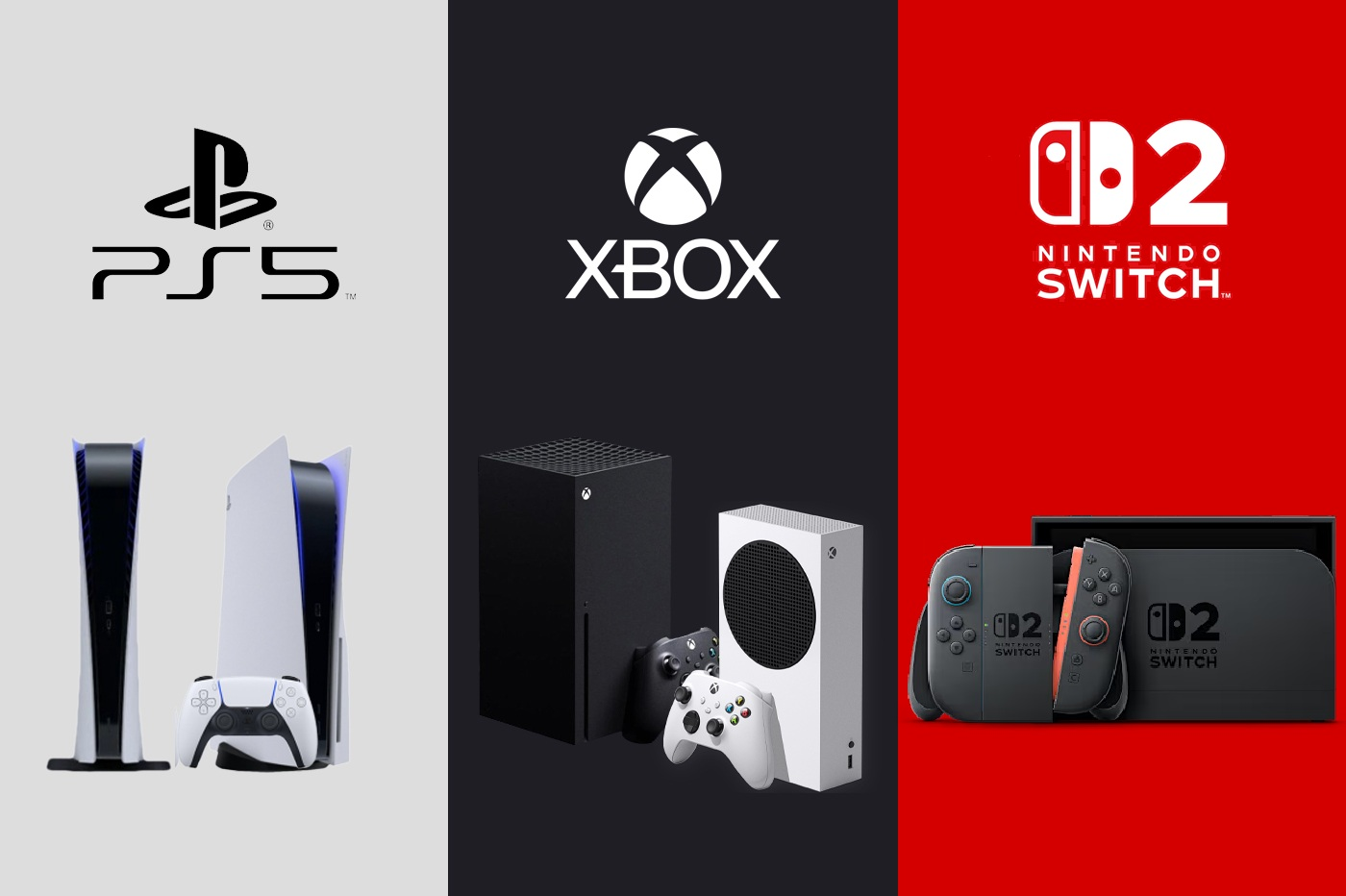
The current generation of gaming hardware has seen rapid price increases, and that phenomenon isn’t expected to end anytime soon. A blue ocean strategy may be what’s needed to incentivize making cheaper hardware that invites more people to enter the games ecosystem. // Image: Nintendo, Sony, Microsoft
There is no such thing as a riskless business strategy. Committing to a blue ocean strategy carries with it incredible risk, as was most famously showcased by Nintendo’s Wii U. Sometimes making something different from the competition doesn’t necessarily equate to success and/or sales. But the connective tissue for blue ocean strategies that I think makes it an essential part of the conversation in games discourse right now is twofold: cheaper costs and sustainable accessibility.
There has always been a vocal minority within the games community that would have you believe that more power and greater visual fidelity are the keys to successful systems. If that were true, the Xbox Series X, initially marketed as the “world’s most powerful console”, would have lit up the sales charts. But it didn’t . In fact, the console has struggled throughout the 2020s largely because it has failed to offer anything of value that isn’t offered by PC or other consoles. Graphical fidelity isn’t what most consumers are looking for when they’re looking for a new game to purchase - as is evidenced by the many breakout indie releases every year that rarely ever push the limits of what a console or PC can output. Rather, the most successful games are the ones that push creative boundaries and offer gameplay experiences that are unlike anything that has come before.
The value of a blue ocean strategy in the video game space is that it simply widens what those alternative gameplay experiences can be. A system with an emphasis on motion controls can lead to games that reassess how the player engages with in-game movement and mechanics. A system that offers multiple ways of playing can give the player permission to have a more flexible relationship with where and when they play games. All of these instances are achieved while also making the products that the player is engaging with cheaper to produce and therefore more accessible to more consumers.
The basic reality is that the more expensive a product becomes, the less appeal and accessibility that it will have. If the next generation PlayStation and Xbox consoles come in at over $1000 USD, they will simply be unappealing for the majority of consumers. In order to create appeal to a wider demographic of potential players, things need to change. We need to stop thinking that extra horsepower and iterative improvements across the board will attract people into this hobby and its many ecosystems. Rather, we need to start entertaining how future platforms can further expand and challenge our ideas of what a video game system can be.
I realize that this is easier said than done. Anyone can say that they want to expect the unexpected, but how does one decide what that unexpected should even be? I suppose that’s part of the fun: the door is open for people to imagine the possibilities. Thinking of innovative ways to expand gaming while finding ways to cut costs on making cheaper hardware is a creative task that will inevitably lead to outside-the-box thinking that will make for devices and games that will be different from anything that’s come before. It’s risky and difficult, but when it works, it leads to unprecedented success.
Steve Jobs’ famous quote rings true here:
“People don't know what they want until you show it to them. That's why I never rely on market research. Our task is to read things that are not yet on the page.”
Steve Jobs
No one was necessarily asking for devices like the Nintendo DS or the Wii in the mid-2000s. Nintendo could have easily made conventional follow-ups to the Game Boy Advance and the Nintendo GameCube, but they knew that the writing was on the wall. So they didn’t. Through embracing blue ocean strategies, Nintendo reshaped their own image and that of the entire industry and found unprecedented success as a result. No one wanted games using touch screens or games featuring any kind of motion controls until they saw how these additions changed the way games could be played. And the industry positively transformed because of it. Even if we don’t see waggle-centric motion-controlled games, it isn’t uncommon to see motion controls in the industry today - such as in the form of using gyro controls to aim where to fire arrows in Zelda: Breath of the Wild.
Innovation and creativity allowed Nintendo to reverse the downward trajectory that they had been facing for two decades. That’s the exact kind of thinking that more of the games industry may need to embrace now, lest a new downward trajectory begins consuming the games industry’s structure as we know it today.
The games industry needs another blue ocean because the writing is on the wall, just as it was for Nintendo over twenty years ago. A looming crisis is going to severely impact how accessible and affordable games will be for people, and the only way to circumvent this tragedy-to-be is to brainstorm another way forward. I can think of wacky ideas as suggestions, but I truthfully have no idea what that ideal way forward is. Perhaps no one reading this article does - but therein lies the need for the very creativity that has allowed this industry to thrive as much and for as long as it has.
A blue ocean is the only thing that will save us as consumers from the looming bloodbath that awaits everyone who calls gaming a hobby. To save the industry from shrinking and pricing out the very people that have helped make this industry and community what it is, then I see no other choice. The future of games hardware hinges on whether companies are willing to read things that are not yet on the page. The future and sustainability of this industry depends on how well companies reveal to us what we don’t yet know that we want over the next few years.
The rules of the game are waiting to be set. The critical juncture of this industry’s fate depend on what those rules are revealed to be.
Thank you very much for reading! What are your thoughts on the trajectory of the games industry? What would a blue ocean even look like for the modern games landscape? As always, join the conversation and let me know what you think in the comments or on Bluesky @DerekExMachina.com!