The Key to Salvaging the Games Industry: Recognizing Humanity and Making Smaller, Weirder Games

Rhythm Heaven Groove is a vivid reminder that games don’t need to be complex or incredibly detailed to realize an idea and provide a fun experience. In an era defined by rising development and hardware costs, industry-wide layoffs, and scope creep, we should be looking to the very simplicity that made games so special for so many people to begin with . // Image: Nintendo
I’ve dedicated my life to video games. In both a personal and professional manner, video games have directly influenced the path I’ve walked in life. I opted to study creative writing and have pursued a career in writing primarily for the sake of working in games writing and localization. Beyond that, I’ve spent tens of thousands of hours of my life playing as many games as I can, trying to understand as many perspectives and experience as many stories from different developers and storytellers.
That dedication has made me care deeply about the health of video games and the industry surrounding them. Throughout the 2020s, I’ll admit: it’s been a sobering, brutal reality for the state of the medium I love so much. Promising games have gotten cancelled, hardware has only gotten more expensive because of chip shortages and, more recently, memory shortages due to AI data centers hoarding much of the world’s RAM supply. Most importantly, there’s been a human cost to the shrinking of the industry. Tens of thousands of people have lost their livelihoods just over the last half-decade, and it doesn’t necessarily look like that’s going to stop or significantly slow down anytime soon.
It really can’t be understated how colossal the loss of human talent in this space truly is. The games industry is notoriously difficult to break into, and for the majority of people working within it, it doesn’t come with the best pay or benefits compared to other adjacent industries. The only people choosing to work in games do so because it’s their passion. They dedicate their lives to making things that they love. But people that are passionate are prone to being exploited by faceless corporations that won’t hesitate to throw away talent at a moment’s notice for the sake of short-term profits. And so, passionate, hard-working developers and professionals in games often become heartbroken, hopeless, and possibly jaded as they lose work and try to find another position in a highly competitive space where even high-level talent has to compete for relatively rare openings.
Like I said, the games industry is brutally difficult to find consistent work in, so if someone gets laid off from a job, there’s no guarantee that they’re going to be able to stay in the industry. A lot of people have to pivot to other industries and professions out of necessity. Others do so by choice if they feel they were particularly wronged by the cold, sometimes oppressive machinations and executives that loom over much of this industry. The cost of that is experience, knowledge, drive, and yes, passion. If these people are forced out of the industry due to layoffs, that only results in lower quality games made by people that have a harrowing pressure hanging over them. Not only do the remaining developers often have survivors’ guilt if they aren’t personally impacted by layoffs, but they now also have to work on projects that must perform well, lest they be next on the chopping block.
In that context, who could create good art? Who can truly make work that they can be proud of with a loaded shotgun staring them in the face at all times that could fire if the end product doesn’t reach some arbitrary metric? Even in instances where these internal goals are met, people still can and do get laid off. So what’s the point in trying?
It’s impossible to blame people for wanting to opt out of this no-win setting. It’s impossible to blame people for wanting to either quit working in games altogether or at least wait until the industry sorts itself out when this is just how it is. But as the years have gone on, the layoffs haven’t stopped. The brain drain of talent and experience is both consistent and catastrophic. Moreover, very few places are friendly to industry newcomers, juniors, and mid-level talent - making this very important demographic of talent notably desperate. If they’re lucky enough to find work at all in this industry, they’re typically more willing to accept jobs offering very poor pay and benefits - contributing to the cycle of passionate talent being exploited and taken advantage of, only to potentially get tossed aside when stocks aren’t going up all the time.
This industry is so full of misery and heartbreak - and yet people like myself continue to remain dedicated to it after all this time. Why is that? Why do I choose to stick around this industry and continue to pursue being a part of this industry despite all the pain that it has put me through? Despite all the pain that it has put tens, if not hundreds of thousands of workers through?
I can only speak for myself, but there’s a glimpse of optimism that I have that things will get better - but change can only come when we acknowledge that the status quo is unsustainable and dysfunctional. The games industry has largely been such a mess because of mismanagement, short-sighted fixations on doing whatever will immediately appeal to shareholders, and leaning more and more heavily on safer projects and becoming more risk averse.
So what can we do about this?
This blog post is the first of two I plan on writing this summer that represent shifts that I feel that we need to see in the games industry in order to see a healthier future for games and the people that make them. This healthier, more sustainable future isn’t just what I think will be for the best for the people that make games, but for the people that play them too. In an environment where people are empowered more than ever to make meaningful art without being constantly in fear of losing their jobs, everyone benefits, including the people that simply like playing games. If the people making games are taken better care of, they will make better games. And if they make better games, well…then we all have even greater games to play!
I want that future, and I think the path there is hidden behind two obstacles that this industry needs to overcome. For the remainder of this article, I want to talk about the first of those two obstacles: the fixation on big games, and how creating smaller games with less financial investment may be the key to killing two birds with one stone. Moreover, I think this allowance to make smaller games is an essential part of recognizing the humanity of game makers, in that it builds the foundation for a landscape where people work alongside each other in a more stable and sustainable context.
If we see a shift from the strategy of releasing fewer, big games to a strategy of releasing smaller projects at a more consistent pace with the occasional big project, I feel that we’ll see a dramatic transformation in how we perceive successful games overall. And a change in that perception, in turn, will reframe what what sustainability looks like for the professionals in this industry. Let’s talk about it.
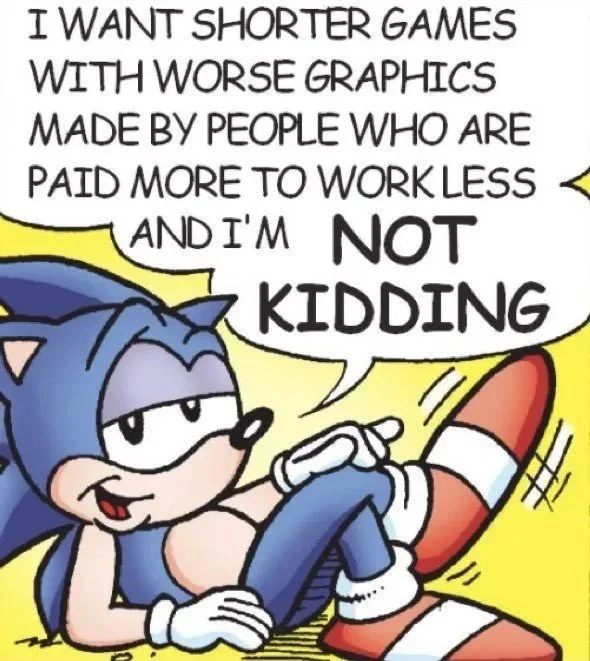
This meme has made the rounds over the last couple years on social media due to the amount of layoffs in the AAA side of the games industry, along with the fact that the output from publishers like PlayStation have slowed down to the point where they only release a few big-budget games a year and little to nothing else. // Image: Reddit
For the last two years, I haven’t been able to stop thinking about Cord Jefferson’s acceptance speech at the 2024 Oscars. In his speech accepting the Academy Award for Best Adapted Screenplay for American Fiction, Jefferson posits that the film industry should make more films with smaller budgets and scopes. If enough of these smaller projects turn a profit, they’ll be an overall less risky move than a film with hundreds of millions of dollars put behind it.
“I understand that this is a risk-averse industry. I get it. But $200 million movies are also a risk, you know. And it doesn't always work out, but you take the risk anyway. And instead of making one $200 million movie, try making twenty $10 million movies or fifty -- [interrupted by applause] fifty... right? Fifty $4 million movies. […] I felt so much joy making this movie, and I want other people to experience that joy. And they are out there, I promise you. The next Martin Scorsese is out there. The next Greta is out there, both Gretas. The next Christopher Nolan is out there, I promise you. They just want a shot, and we can give them one, and this has changed my life.”
- Cord Jefferson
I recognize that the film industry and games industry have a lot of differences, but over the last decade, they’ve shared a big issue and have also shared a promising alternative. Large budget blockbusters have always implicitly been a risk, and when they pop off, they can yield incredible results. A film like Avatar: The Way of Water perhaps isn’t being frequently asked for by audiences, and yet it delivers a large-scale cinematic escapism - the type of which that smaller indie films simply aren’t equipped to ever provide. A film like The Way of Water can make back over $2 billion USD on a ~ $400 million USD budget, and so that level of success inspires other large film distributors to make big gambles of their own to receive a similar return on investment.
Big budgets can often yield big box office returns, but their success is never assured. 2025’s The Running Man is a great recent example of a movie having a lot going for it, but that all still not being enough to yield a return on investment. The Running Man is a second adaptation of a Stephen King novel that features recognizable A-list talent, is made a beloved director, and met a decent critical reception at release. But all this wasn’t enough to recoup it’s $113 million USD budget, in fact it only made just over half its budget. The film undeniably underperformed - but was that lack of success born out of the film’s shortcomings? Or did the film fail to capture an audience?
There’s room for nuance and differences of opinion on the film’s quality, but I think this film is emblematic of a lot of other films that opt to take a seemingly safe route. This movie isn’t doing anything new, as evidenced by the film being publicly perceived as a remake of the 1980s flick starring Schwarzenegger. The Running Man (2025) isn’t a bad movie, but it ostensibly plays things safe, and that lack of ambition and identity is enough to make the movie uninteresting to talk about. And if something’s uninteresting to talk about, that means less word of mouth will convince people to go see it.
This past year has served as a remarkable example of the power of word of mouth. One of the biggest films of the year and undeniably the greatest success story of the year thus far has been Obsession, a film directed by Curry Barker on a budget under $1 million USD. A theatrically released film on this kind of budget is an absolute rarity as it is, but equally rare is how much word of mouth carried this film. While Obsession had a respectable opening weekend, the film garnered even greater box office returns in its second and third weekends - largely due to the excellent word of mouth that the film received particularly among horror enthusiasts and younger moviegoers.
The result was a movie that grossed over $440 million USD by the end of its theatrical run - a monumental achievement for an indie, low-budget horror project. The film achieved this result because it offered a refreshing alternative to more mainstream horror films that have come out around the same time. Films like Scream 7 and Five Nights at Freddy’s 2 were critically abhorred by audiences largely due to how derivative they felt. Audiences’ drive to see something new, something different, something humble has the power to deliver a film to great success.
A week after Obsession’s release, The Mandalorian and Grogu released. While ostensibly a tie-in to the Disney+ show, this movie was nevertheless the first theatrically released Star Wars film in seven years. This film has brand recognition to one of the largest franchises in the history of entertainment, it has the benefit of featuring known actors, has a $165 million budget, and has the power of Disney’s marketing visibility on its side. Despite all of these aspects working to the film’s benefit, The Mandalorian and Grogu grossed merely $340 million USD at the box office - over $100 million USD less than what Obsession, a spunky $750,000 USD budget horror flick, accomplished throughout its theatrical run.
The performance of these two movies tells you everything you need to know about the state of media consumption. Being a large budget project with brand recognition funded by a media giant and having some of the most recognizable and lauded talent in the entire industry all goes to waste if your idea is something that’s uninteresting to audiences. Obsession made as big of a splash as it did because its horror truly connected with people. While having fantastic elements, its horror was rooted in the idea of forcing someone to love another against their will - something that people in unhealthy or abusive relationships can easily connect to.
Obsession navigates this topic in a respectful and creatively interesting way to the point where it’s an easy film to recommend to people. Obsession is a small and weird film - one that’s ostensibly interesting to talk about. That ultimately serves as the key to the film’s success.
There are other examples of indie successes throughout the film industry, but it’d be disingenuous of me to imply that every small indie project is a smash hit. As much as I’d love for it to be the case, not every film made on a tight budget makes hundreds of millions of dollars at the box office. But that’s okay. Distributors like Focus Features and Blumhouse Productions only need to see one instance of a massive return on investment like this to be convinced that other smaller projects are worth the chance.
If distributors like Focus Features decided to fund and distribute films with under a $2 million USD budget and only half of those movies make their budget back, a few may pop off and make a massive performance that returns the investment into various film investments multiple times over. The amount of money they could get back on investing money in smaller projects could be more financially lucrative than placing bets on a single $100 million USD budgeted film.
So why don’t they? Why are small, seemingly insignificant films like Obsession not often given the time of day by major distributors? Why do these kinds of projects not come from major distributors often if at all? I think the answer is in perceived safeness. Larger distributors think it’s easier to release films that have certain benefits like brand recognition and big stars. Perhaps it’s sexier, more vibrant to be able to flaunt that you have a large budget to create big cinematic set pieces. There’s value in the unique spectacle afforded by larger budgets for sure, but is it enough to carry a film towards success? Almost certainly not. Recent flops like Moana (2026) and Supergirl (2026) are evidence of that.
The big lesson to take away from all of this is to remind ourselves of what bring people to the movies and to art in the first place: ideas. If someone decides to buy a movie ticket, buy a video game, buy an album - they largely do so because they’re intrigued by the ideas on display. If you buy a ticket to The Odyssey, you’re likely doing so because you’re interested in seeing how Christopher Nolan depicts a classic story in a big way. If you buy a game like Crimson Desert or Mina the Hollower, you’re likely doing so because these games offer certain types of experiences presented by different approaches and philosophies in game design that intrigue you - whether you’re fully conscious of that or not.
Ideas invite audiences, and solid execution of those ideas are what lead to word of mouth - a powerful tool to creating success for your work of art.
Let’s pivot this conversation back into games. How do we apply this lesson towards the games industry? Is it even fair to equate box office performances and video game sales given that these are two completely different industries? I would argue yes, because I think, at their core, every industry centered around creative expression feature a shared DNA: the value of ideas, intrigue, and experience.
Video games have seen a similar fixation as the film industry on big-budget projects, but arguably to an even more extreme degree. But of course, budgets for video game projects aren’t a one-to-one analog with the likes of film budgets. Unlike motion picture productions, video game budgets are largely the culmination of salaries for full-time employees and contractors, outsourcing fees for services like voice acting, localization, motion capture, etc., leases for office spaces, and license fees for certain engines and other technologies used during development.
Video game studio staffing sizes have ballooned alongside the scope of “AAA” game projects, with a particular hiring boom in the early 2020s making budgets soar to heights previously unseen. Pair this with a pressure to make bigger games that could never have been possible on older generations of hardware, and there comes a deadly trap: throwing more money and people onto a project in hopes that more hands on a project will mean a better overall final product.
But that’s not exactly how artistry works. There is absolutely a thing as having too many cooks in the kitchen to make a good meal. Speaking as someone that worked as a small cog in the AAA game machination, I have seen first-hand how inefficiently large-scale projects are often handled, largely due to how much of project management at that scale devolves into herding people to accomplish tasks. When a project balloons to hundreds or even thousands of developers, there is a soul that naturally fades away as so many people approach the project with different perspectives and visions for what they want the final product to be like.
This has a cascading effect, leading to many AAA games having a homogenized and risk-averse feel. They in turn become afraid to take bold risks and be weird because they can’t be if they want to assure making a multi-hundred-million USD budget back. And so, humanity and weirdness gets traded for whatever’s safe, which has steadily made more consumers become more interested in indie and AA projects. Large-scale game development has become too big for its own good, to the point where most big-budget games can’t afford to stand out from the pack too much out of fear of losing mass appeal. But it’s that very mass appeal and lack of unique identity that causes people to become fatigued by how few new ideas big-budget games allow themselves to bring to the table.
Moreover, having more people and thus more money be put onto a project disregards the essential human element of creating games. A lot of the executives that make the decisions on how much money to put into a project and how many people to hire onto a project forget that it’s ultimately people and their unique lived experiences that inform what final games look like. As such, it’s essential to keep people around, to keep them happily employed, and to give them a form of stability that allows them to build camaraderie with their peers and assurance of a stable career.
Naoki Hamaguchi, director of the three-part Final Fantasy VII remake project, spoke on how keeping 80-90% of the development together throughout the multi-game project was essential in keeping these games on schedule and in budget without ever losing its identity along the way. Unfortunately, instances like this have become the exception and not the rule. It isn’t uncommon for development teams to be split up after projects conclude - and these instances are considered the “lucky” scenarios. If the work atmosphere isn’t ideal, people leave. If the sales don’t make stock prices go up, then people get laid off. People, and the talent and experience they uniquely bring, get shattered in the majority of game development projects.
This is crucially what needs to be addressed. The games industry needs to recognize the humanity of its developers that bring games to life. That said, I recognize that it’s easy to just say that for the sake of wishful thinking. What actionable things can the games industry do to help make work in game development more sustainable and more viable as a long-term career? My mind immediately goes back to Cord Jefferson’s quote. Instead of putting all of a publisher’s eggs into a few big-budget, publishers and developers should embrace the value of funding more, smaller projects.

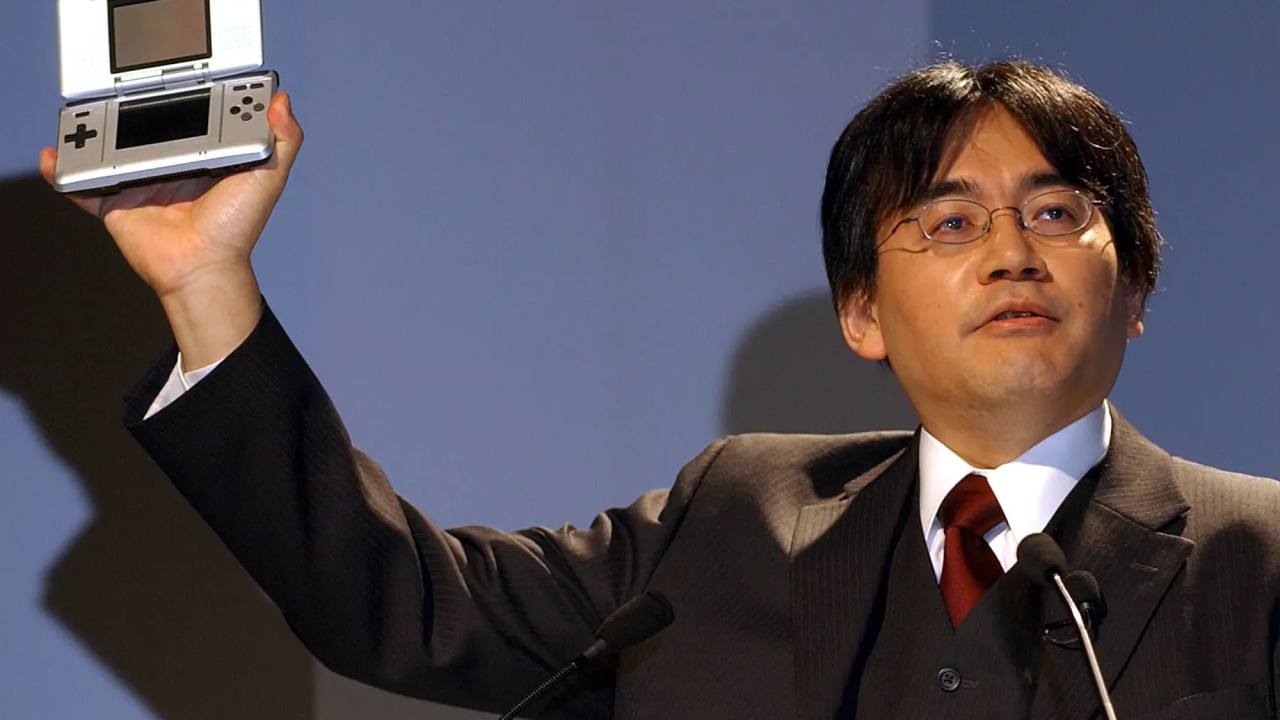
Out of all the major game publishers, Nintendo has been the most consistent with balancing their portfolio with small, medium, and large projects, leading to a wide variety of experiences. The late Satoru Iwata’s philosophy on never laying off staff proved to be essential in fostering a creative, efficient, and sustainable environment. // Image: Nintendo
The inspiration for this piece has been my recent playthrough of Rhythm Heaven Groove. This smaller title was released at a budget price and may very well be the final first-party game exclusively released for the original Nintendo Switch. If so, the Switch’s swan song isn’t a bombastic big-budget game that showcases what the Switch was capable of - rather, Groove is a smaller project that keeps its visual identity and fidelity largely in line with the series’ previous games on GBA, DS, Wii, and 3DS. By being a continuation of the series’ signature style, it ends the original Switch’s legacy with an intoxicatingly fun, charming game.
Rhythm Heaven Groove is spectacular because it is bizarre, weird, and fun - all unrelentingly so. It is a game that is shockingly simple, yet features so much variety in its gameplay and leaves a lot of room for challenge and mastery of the game’s rhythm-based mechanics. While playing the game, I couldn’t help but think to myself “PlayStation and Xbox wouldn’t be caught dead making a game like this anymore”. Why is that?
The answer, I feel, largely comes back to that fixation on large budgets. Especially throughout the PlayStation 5 generation, Sony has walked away from smaller and niche projects. Sony has shut down beloved studios like Sony Japan Studio (most recently known for their work on Gravity Rush and Bloodborne) and Bluepoint (most recently known for their remakes of games like Shadow of the Colossus and Demon’s Souls). They’ve also completely changed their release strategy, now opting to only release a few games a year now. In 2026 alone, for example, the only first-party Sony games are Marathon, Saros, and Wolverine (and God of War: Sons of Sparta and Marvel Tōkon: Fighting Souls if you want to count third-party collaborations). That’s only a single hand’s worth of releases in an entire calendar year.
This release cadence is indicative of Sony’s shift in priorities. They’ve clearly shown less of an interest in caring about the diversity and quantity of their projects, and more about how big each release of theirs feels. They’ve also clearly started to care more flagrantly about how much perpetual income their releases can make, as their aggressive push towards live-service games have indicated. This has culminated in a first-party platform that feels like it has become a shadow of its former self.
Throughout most of their history, Sony has had a wide variety of IP at their disposal. Some have been more niche than others, and some have been clearly of a lower budget than others, but that was okay. The diversity in the types of games and the size of games that Sony funded helped make their overall portfolio of games feel like it could appeal to more people, and thus bring in more potential sales. Now, because of their insistence on going all-in on these big projects, Sony has, paradoxically, narrowed their broader portfolio appeal by making their big-budget games have more mass appeal.
While it’s undeniable that projects like God of War (2018) and Marvel’s Spider-Man have sold well and are well-made games, they have an overall smaller sense of identity within them. The action-adventure game with RPG elements has become the go-to style for Sony, all the while leaving many other genres and other, weirder types of games long behind. I can’t see modern Sony publishing JRPGs, rhythm games, experimental games, or any kind of oddball game because they aren’t “safe”, they aren’t easy to ascertain millions of sales.
And that is precisely the problem. Sony has instead chosen to make fewer, bigger, and more “normal” games, which ultimately has led to them bleeding billions of dollars. From the implosion of their live service efforts to the mismanagement of their studios, Sony’s fixation on big-budget projects has had a tangible human cost. This fixation on making big games that are homogenized and theoretically easy to sell to tens of millions of people has ultimately resulted in talented people losing their jobs and Sony having an overall weaker portfolio of first party games to show for it.
This contrasts with Nintendo’s approach, which has remained over the decades to be to provide a variety of differences. Some projects are big, others are small, and some find themselves in between. This diversity leads to Nintendo releasing a lot of different types of games that appeal to different people. In turn, this release approach helps bring different kinds of players into their ecosystem.
Earlier this year, Nintendo released Tomodachi Life: Living the Dream, the third game in the unapologetically bizarre social simulator half-game, half-shitpost generator. There’s nothing like Tomodachi Life and it’s a game that is perhaps difficult to market due to its very nature, but its weirdness and tight scope on what it wants to be helped it find a large audience. The game sold 3.8 million copies in two weeks because it wasn’t afraid to be small, to be weird, and to be different. Rhythm Heaven Groove has also seen success, having sold 600,000 physical copies in two weeks in Japan alone as of writing. These smaller, weirder games, each in uncommon genres that large-budget games rarely go near, have found an audience and they remind us of the value that small, weird games truly have.
Nintendo has continued releasing games at a consistent basis throughout the Switch and now Switch 2 generations, often averaging at about one or two first-party releases a month. Sometimes, these are remasters, sometimes they’re small games, sometimes they’re big games - but there’s something coming out relatively frequently throughout the year. And I think a large part of what makes that consistency such a great selling point for Nintendo’s overall portfolio is that different games naturally appeal to different people. Some players may love platformers but despise JRPGs, some may be attracted to Nintendo’s quirkier, gimmicky games and not be as into their flagship IP. And that’s okay. The diversity of Nintendo’s first party portfolio helps keep these different audiences fed within a single ecosystem.
I think this diversity is born out of a commitment to not making every release to be a significant moment. Nintendo giving themselves the flexibility and permission to create smaller games that target more focused audiences ultimately helps grow their overall platform and appeal. This creates the impression and atmosphere when playing games in the Nintendo ecosystem that their games aren’t inherently designed and engineered to be as widely appealing as possible. Many games like Tomodachi Life: Living the Dream and Rhythm Heaven Groove are clearly designed with a target niche to appeal towards and aren’t interested in being a game for everyone. And that’s precisely what has led to these games’ respective successes. They realize their best potential by committing to being the best version of an idea for a game instead of being the most marketable, easily digestible version of an idea for a game.
Nintendo’s internal culture plays a large part in enabling this, I feel. Unlike most other game companies of its size, Nintendo has largely avoided inflicting layoffs on its staff. The boon of doing this, even during tough times when Nintendo was underperforming circa the early-to-mid 2010s, is that people stay with the company. People are empowered to be more creative and make the games they want to make when they don’t have to perpetually fear losing their jobs if their assigned projects don’t reach arbitrary sales goals. This philosophy was best embodied by the late Satoru Iwata, whose legacy is rare for that of a CEO, in that he refused to lay off staff for the sake of short-term finances because he firmly believed in retaining and refining talent in the long-term.
“If we reduce the number of employees for better short-term financial results, employee morale will decrease, and I sincerely doubt employees who fear that they may be laid off will be able to develop software titles that could impress people around the world.”
Such a stance is one that recognizes the inherent humanity that’s necessary when making art of any kind. Companies need to understand, now more than ever, that people need to be cared for in order to create meaningful art. When people feel cared for in the workplace, they tend to stay, and when they stay in one place for a long time throughout the career (a tragic rarity in today’s overall labor market for a multitude of reasons), they ultimately produce better work. Stability brings comfort and comfort brings confidence to produce great work and even greater art.
You may think to yourself, “what exactly is the relationship between this and the argument towards making smaller games?”. I see recognizing humanity and having permission to make smaller, weirder games as being inherently connected. By committing to recognize the humanity of your developers, you’re also committing to their ideas for great games. And the reality is that some of the ideas may be weird. They may be simple. They may not require large budgets or teams. But they should still be greenlit because they present an interesting idea that can make for a fun game. And ultimately, that’s what game development should be all about: realizing an idea that can make game players have fun in a new, interesting way.
Realizing those ideas can often result in making games that won’t appeal to everyone. They’ll appeal to a smaller, perhaps more niche audience. But that should be perfectly okay. By committing to making a smaller project that realizes an idea, the power of word of mouth can take over and make a seemingly small game reach a massive audience.
This also isn’t to say that there is no place for large games in this ideal environment. Larger, most tentpole releases are absolutely an okay thing to have. The issue merely resides in these larger, big-budget games being the only thing being produced. Smaller and medium size games help diversify a portfolio in fill in the space between larger releases while still allowing all sorts of different ideas from different teams become full-fledged games. Games of all sizes and production budgets must coexist - this culture of all-or-nothing gambles on game development need to end and in its place needs to come a commitment to letting ideas be turned into games, regardless of how many resources that idea needs to become a tangible product.
I haven’t really talked about the indie side of the games industry thus far in this piece, but the types of success there are a huge learning opportunity for larger companies to take heed of. Every couple months, there have been popular social games (dubbed by some as “friendslop”) such as 2025’s PEAK that is a simple realization of a fun idea. And that’s enough to attract a large audience, despite having a more controlled scope, budget, and focus. Other indie successes like 2025’s Hollow Knight: Silksong can become so popular that they crash multiple digital storefronts. Indie darlings achieve this level of success not because they have mass-market appeal, but because they realize fun ideas and want to deliver a specific experience for a specific audience.
There’s always a market for small, weird games - and so the reluctance from larger developers from doing so is difficult to make sense of for me. Instead of embracing the humanity developers by enabling them to realize weird ideas that become fun, tightly scoped video games, most major developers and publishers have doubled down on making massive games. And I think developers and consumers alike have all suffered because of that.
Thousands of developers have been laid off because larger executives at publishers and development studios have wanted to have a Fortnite-level success of their own. This has inevitably led to flops and games that have struggled to capture and retain an audience. The failure of these games has led to closed studios, laid off employees, and less overall games to play for consumers. So why do these companies still try? What’s wrong with going back to funding more plentiful, smaller projects with tighter teams and production pipelines?
The reality is that publishers like PlayStation trying to capture a mega-successful live service game or an easily marketable single player game that’s a lock for tens of millions of copies sold is an incredibly high-risk, high-reward venture. And for the most part, the “risk” has for outweighed the “reward” part of the equation. And the people that suffer for the “risk” are the developers on the ground floor doing the heavy lifting trying to make these big-budget games the best they can be given the circumstances.
But it’s become more and more clear that the high-reward juice isn’t worth the high-risk squeeze. Going all-in on these projects has had a clear human cost. And so, I think now’s as good a time as ever to rewrite the script and take a different path - one that recognizes humanity and places energy back on smaller projects.
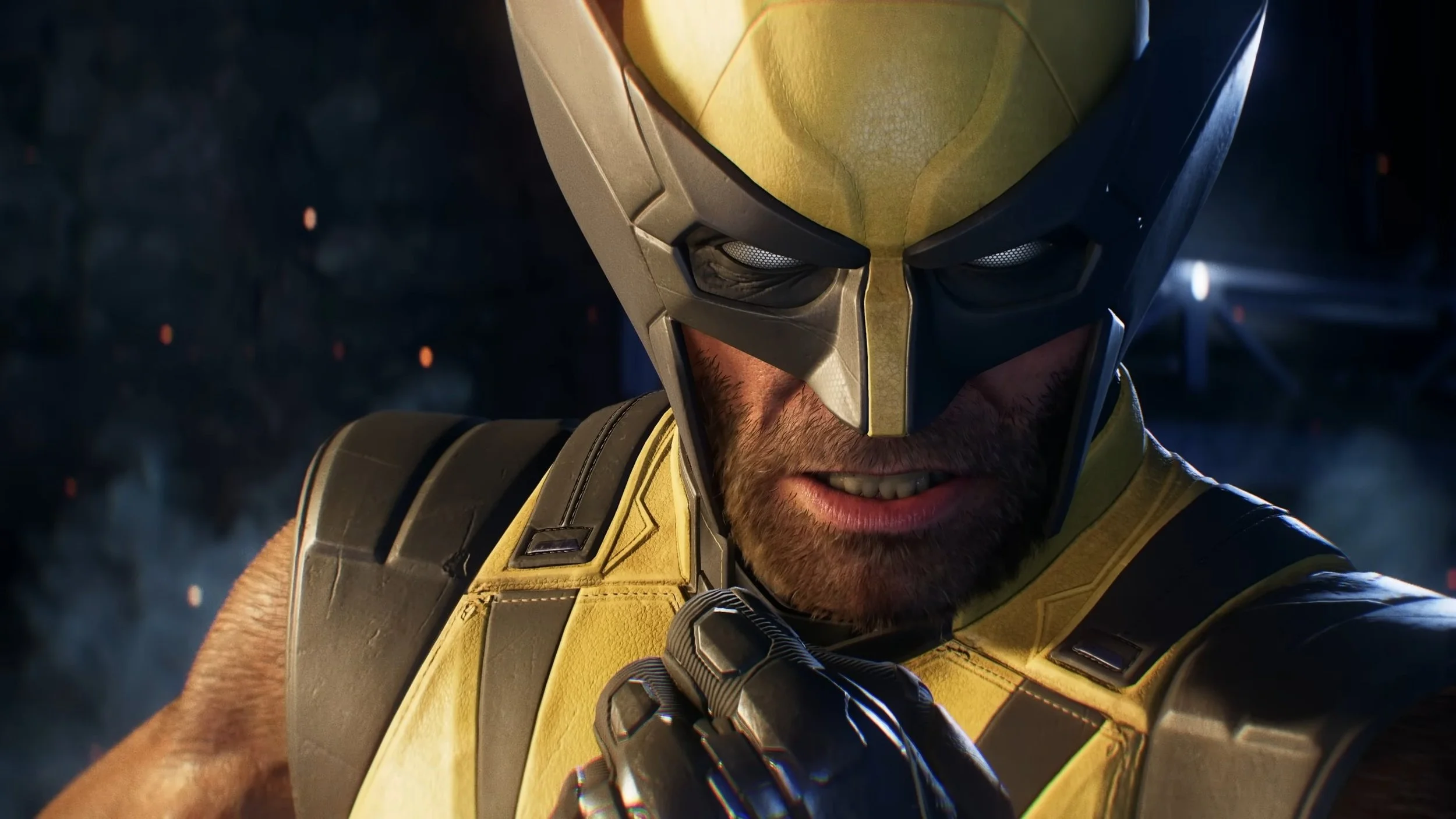
I have no doubt that Marvel’s Wolverine will be a fine video game. Insomniac is a very talented developer with a great track record. But it’s hard to muster excitement for bigger games like this that feel homogenized with other AAA efforts we’ve seen over the last decade. // Image: PlayStation, Insomniac Games
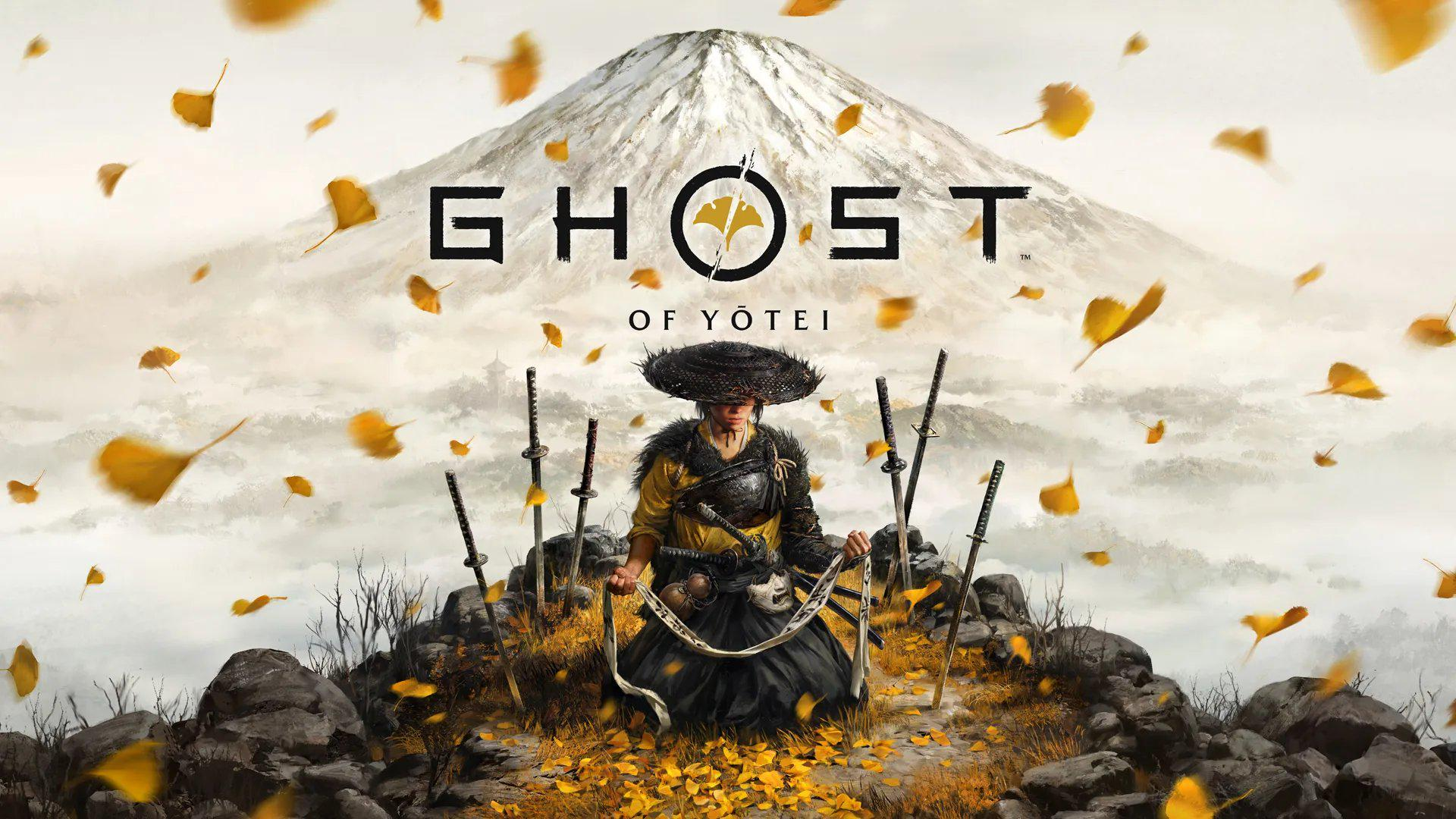
Another inspiration for this piece was my recent review of Ghost of Yōtei. While I greatly enjoyed the game, I couldn’t help but think of how “normal” and iterative the game was. As high-quality as Ghost of Yōtei undeniably is, it’s also a game that has struggled to stay in my mind after I’ve put the controller down. There’s nothing weird or particularly interesting to talk or think about with Ghost of Yōtei, and that ultimately inhibits the game’s legacy when we look back on the game years from now.
The biggest problem with this is the fact that Ghost of Yōtei is the only new game that Sucker Punch Productions has released in over five years. Outside of a rerelease and expansion for Ghost of Tsushima, Yōtei has been the only game released by Sucker Punch, and it’s likely that their next game won’t arrive for another couple years. Naughty Dog, another first-party developer at PlayStation, are six years out from their last original release with The Last of Us Part II and still have very little to show for their next game, Intergalactic: The Heretic Prophet - a game that, as of writing, doesn’t even have a release year.
Obviously, there is an increased layer of nuance to consider: the fact that game development is more complex and involved than it used to be. Games generally take longer than they used to. Except for when they don’t.
Choosing to spend years and most of an entire console generation to develop a single game with the highest level of graphical fidelity and mechanical complexity is just that: a choice. Developers and publishers are choosing to make games that are incredibly detailed, have dozens of hours’ worth of motion capture, and take tens if not hundreds of hours to play through. But they don’t need to do all this. And I would argue that they shouldn’t do all this.
It’s no secret that we’ve been approaching the ceiling of how good video games can look. Games like Ghost of Yōtei look undeniably incredible, but at the end of the day, what does all this added fidelity truly accomplish? Is making a visually spectacular game truly worth the ballooning price tag attached to hiring and outsourcing tons of artists, animators, and more to realize that? Or is there another way?
If we look at some of the best selling and most highly reviewed games of recent memory, I don’t think there’s a strong correlation between graphical fidelity and success. If anything, I think what audiences naturally gravitate more towards now more than ever is art direction and style. 2025’s critical darling Expedition 33 didn’t necessarily have the highest level of detail in its animations and fidelity, but its art direction sold the otherworldly, imaginative nature of the game that grabbed peoples’ attention.
Nintendo’s smaller projects like Rhythm Heaven Groove, Tomodachi Life: Living the Dream, and Yoshi and the Mysterious Book don’t push any kind of graphical boundary, but their unique style carries the visual identity of each game, and ultimately, that’s all that matters. Detailed graphics are nice to have, but when they come at the cost of making a game’s budget skyrocket, is it really worth it? I would argue not.
This is a particularly pressing talking point to discuss considering that we’re likely on the cusp of a new generation of hardware. Unlike all generations of hardware that have come before, it’s expected that the prices for Sony and Microsoft’s new kits of hardware will be more than double what their predecessors were at launch. This is largely due to the rise of AI data centers and their respective hoarding of memory that has made the cost of RAM and other components multiply for everyone. And there’s no sign that this crisis is going to go away anytime soon.
We’re already seeing the effects of this. All current generation consoles have increased in price. Valve’s recently released Steam Machine released its cheapest SKU at $1049 USD, which is estimated to be about $400 USD above what Valve originally intended to price the device at. The reality is that new consoles are likely going to be above $1000 USD, and high-end gaming PCs will see similar levels of price increases. All this is to say that the price of high-fidelity graphics for video games is going to be far higher than it ever has been. And I honestly don’t think consumers are going to bother paying the premium for it.
If people have the option to play cheaper games and hardware that provide more stylized art direction or play significantly more expensive games and hardware that provide more high-fidelity, highly detailed experiences, they are always going to choose the cheaper option. So, from a developer standpoint, why willingly pin yourself in the losing corner? Why choose to keep making high graphical fidelity games that only a privileged are going to even be able to play when the masses will likely stay with cheaper, less capable hardware?
My point in bringing all of this up is that choosing to make these huge, all-eggs-in-one-basket games is a decision that will massively backfire if and when new hardware is unaffordable for the masses. These big games will be unable to make their budget back if only a select few are privileged enough to even purchase them, much less play them. And thus, the cycle of layoffs and loss of talent will continue.
The reality is that making games with high-fidelity graphics isn’t what convinces people to buy a game. Ultimately, what convinces people whether or not to buy a game is how fun the game looks to them. And because such a thing is subjective and different for every single person, then that means that you have to produce different games that will appeal to different kinds of people.
And to do that, you need to encourage and empower developers to make these different, weird, and sometimes smaller games to appeal to those different kinds of people. Most certainly, I think the fixation on making games with high-fidelity graphics is something that needs to take a backseat, especially given the memory shortage and expensive hardware prices we’re likely going to see over the next few years. Not only do I think we need to see a greater variety of smaller games, we need to see them with less focus and dedication given to graphics that has caused so many games’ budgets to skyrocket in the first place.
Making big, “normal” games that will appeal to everyone is a hopeless endeavor. It’s a strategy that has not worked and never will work. A lot of developers want Fornite-level success, but even Epic Games has conducted over 1,000 layoffs of their own in 2026. Fornite doesn’t even have Fortnite-level success anymore - that’s how cutthroat and hopeless this whole situation is.
So instead of trying to be the Everything Game That Everyone Spends Money On, why not just walk a different path? That may be the only way that this industry survives at this point. And so, what other option truly is there? Things must change, and that change starts with discarding this high-risk, high-reward mentality that has destroyed the lives of thousands of developers and has left consumers with less exciting, new options.
It’s admittedly difficult to have hope for the future as someone that has committed their lives to video games. And yet, I still find myself holding onto hope.
Why is that?
This may sound like a strange answer, but it’s because of success stories like Obsession and Rhythm Heaven Groove. Despite everything, there absolutely is an audience for weirder, smaller projects and they will show up if the experience is good enough that it warrants a strong word of mouth. I’m only still interested in being a part of this industry because the creative spirit of others is what drives me to continue pursuing my own creative endeavors. Although we see countless examples of soulless, corporate garbage that somehow makes hundreds of millions, if not billions of dollars, there are perhaps even more examples of humble, small projects that make back far more than their budget. And those examples are only growing in number.
A small movie like Obsession outperforming a Star Wars movie should be a shot in the arm for every aspiring creative in the world. An idea that you have has the capacity to reach a greater level of success than the latest installment in one of the largest franchises in the world. So what’s stopping you from bringing your humble, small, seemingly insignificant project to life?
In addition to this, we’re seeing the high-risk, high-reward experiments of the games industry crumble onto themselves while smaller, more niche games reaching great levels of success. To me, the way forward is clear: people want weird experiences. They want experiences that make them feel something long after they leave the theater, long after they’ve put the controller down. And the truth is that smaller, weirder projects are what’s needed to make those experiences more frequent. By prioritizing making smaller projects that are unafraid to be weird and maybe even niche, people will have access to both more games and more meaningful works of art to engage with.
And if one or two of these smaller projects pops off and reaches viral levels of success, than the financial investment put in to making these more plentiful, smaller projects could be more bountiful than the high-risk, high-reward gambles that have poisoned AAA game development over the last decade.
But of course, recognizing the humanity of the people that make games is an essential piece of this puzzle. Now more than ever, we need to put trust and faith in the creatives that make games. We need to start giving these talented people the stability, comfort, and confidence that they need to realize their projects without having to fear that they’ll lose their jobs. Every game developer wants to create titles that impress people from around the world. We should allow them to, and that allowance starts with treating them like people and showing them the care and dignity that a person deserves.
Then and only then will the games industry be salvaged. I don’t suspect that it will be a quick or easy process, but I do firmly believe it to be possible. As long as people play video games, there will be people that dedicate their life to the medium in spite of it all. There will be people that want the best for the games industry in spite of the corporate, often cruel bullshit that infects so much of what makes people fall in love with video games in the first place.
This is because, at their core, video games are an expression of humanity. They are an expression of fun. And for the health of the industry, I think we need to return to projects that unrelentingly cognizant of that.
Thank you very much for reading! What are your thoughts on the state of the video games industry? Do you think something needs to be done to prevent the games industry from a potential crash? If so, what do you think should be done? Are smaller and weirder games the answer? As always, join the conversation and let me know what you think in the comments or on Bluesky @DerekExMachina.com!