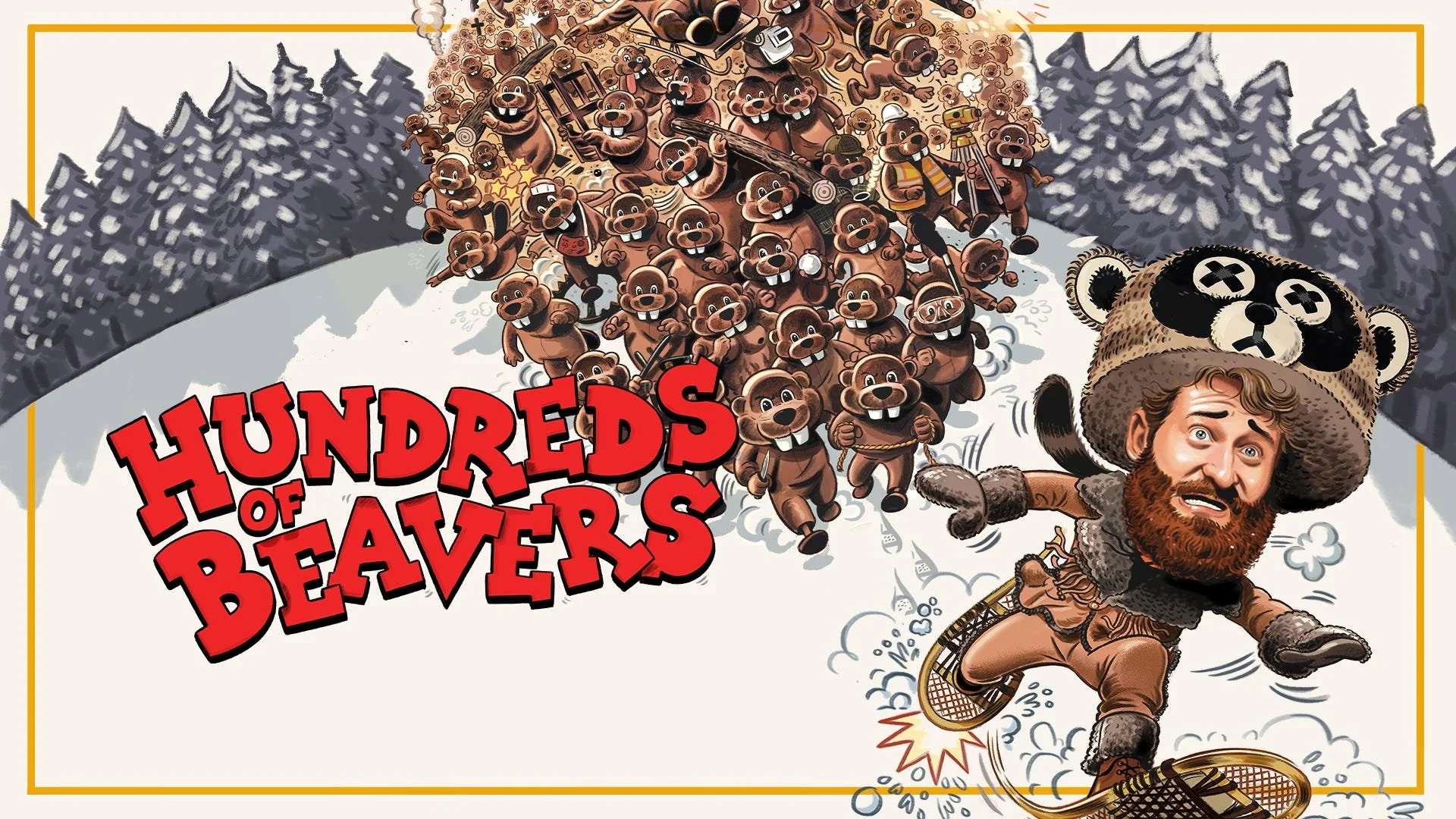
Hundreds of Beavers is a Reminder that We Should Just Make Cool Shit
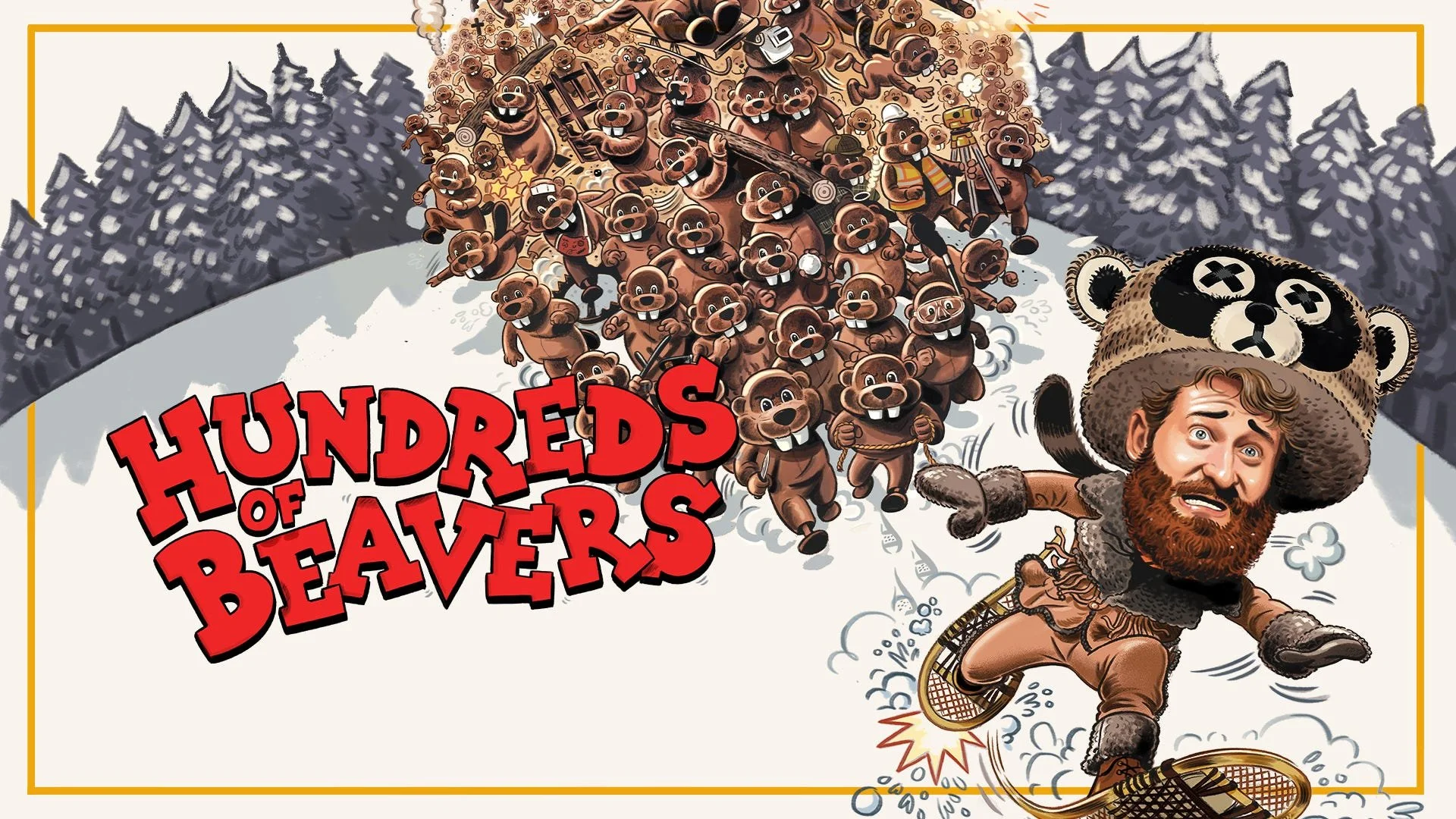
Hundreds of Beavers is as good of a film as it is because it’s largely a rejection of what a film has become expected to be. In many ways, Hundreds of Beavers is a portal to the past, as it evokes silent films of the early 20th Century and early internet humor while still being unlike anything else that’s come before. // Image: Cineverse
It’s practically impossible to creatively express yourself and not experience burnout at some point in your creative career. We live in a world where it’s so easy to get overwhelmed by how many hurdles and barriers that stand in the way of realizing creative visions. Whether you’re part of a marginalized community that makes getting your work actually seen by people hard to accomplish or you lack a support system to help you sustain your creative efforts, it’s just hard to make stuff and have it get put out into the world. It’s even harder to retain the motivation and ambition to make something when you hear about and see so many examples of great art still resulting in underperformance and suffering. People try to make incredible art and fail. Sometimes, people try to make incredible art, succeed, and yet somehow still fail, as we’ve particularly seen recently happen in the games industry with studio closures and mass layoffs sometimes occurring at studios that make positively received and profitable games.
Making something is a herculean task. Making something that’s successful is a monolithic accomplishment. And yet, it can all not be enough anyway. Going through the struggle of creating something you care about and having it resonate with audiences can still not be enough to sustain yourself and your family. What we make may never be good enough. And even if it somehow is, there will always be something better and more successful than what we’ve made. So why, then, should we try at all?
This spiral is precisely how burnout infects our minds. As creatives, we put hard work and dedication into what we produce, but such effort comes at a cost. It brings fear, cynicism, and tiredness from how much mental and/or physical energy we exert when trying to make something that we feel the world will be better with. Burnout is largely reflective of the exhaustion of how far we put ourselves out into the world, only to not see an immediate or meaningful result.
We all have stories of and relationships with burnout. As for me, burnout has caused me to get exhausted from writing despite having so many ideas that I want to put onto the page. I’m constantly getting inspired by other art and consistently want to build on projects and ideas that I’ve already established. But in time, the hard work and ambition I put into my work spirals into overexertion, exhaustion, and a fear that all this energy is a waste of time anyway. This causes me to not have the drive to post on this blog as much as I’d like. This causes me to not produce video content despite telling myself that it’s something I want to try. This causes me to take long breaks from working on creative writing projects. It feels like what I work on is both too much to take on and not enough to matter.
I’ve had instances throughout my life where depression and anxiety take over my brain and make the very idea of sitting in front of my computer and writing words repugnant. Sometimes, I combat the apprehension and disinterest by chipping away at whatever project I’m working on at the time. Other times, I let the demons win and hunker away to do something else - albeit with an ugly inkling nagging at me the entire time. You shouldn’t be doing this. You’re wasting your time. Why enjoy yourself when you could be doing something productive?
It’s in moments like these that I seek out art. I drive to my local movie theater to watch a story unfold before my eyes. I take a book off my desk and convert words into imagery only my mind can understand. I pick up a controller and play a game that lets me directly interact with the world and story that my controlled character is inhabiting. It is critical to engage with other art to gain inspiration and understanding of what other people are putting out into the world. But more crucially, engaging with other art is an essential thing to do because it reminds us why we make art in the first place.
Depression, anxiety, guilt, and burnout are all intertwined and impact the life of every creative to varying degrees. Seeking out art helps creatives put their craft back on track, but for each creative person, there is a collection of vital pieces of art that will influence and inspire them so much that it transforms their outlook on their own creative process. There aren’t many of these types of experience a person will experience throughout their life, but when they arrive, they can and often do provide a light where we may otherwise succumb to the dark tidings of imposter syndrome, doubt, burnout, and a lack of inspiration.
I, myself, have only experienced this a few times. Playing Xenoblade Chronicles in 2011 reopened my eyes about how worldbuilding and strong, theme-driven storytelling can invite audiences to entire new worlds. Watching Neon Genesis Evangelion in 2021 reaffirmed to me that making weird art that doesn’t conform to audience expectations and industry norms has a place and can make for unforgettable stories in their own right. In 2025, I’ve found another one of these vital lessons and reminders through my recent viewing of the slapstick film, Hundreds of Beavers.
This film reminded me that, above all, we should just make cool shit. As creatives, we all deserve to make the very kind of stories and experiences that we want to see more of in the world. And as I find myself turning the page to a new chapter of my life where I’m entertaining going to grad school to pursue writing, publishing, and game development - I find this lesson and reminder to be exactly what I needed in this moment.
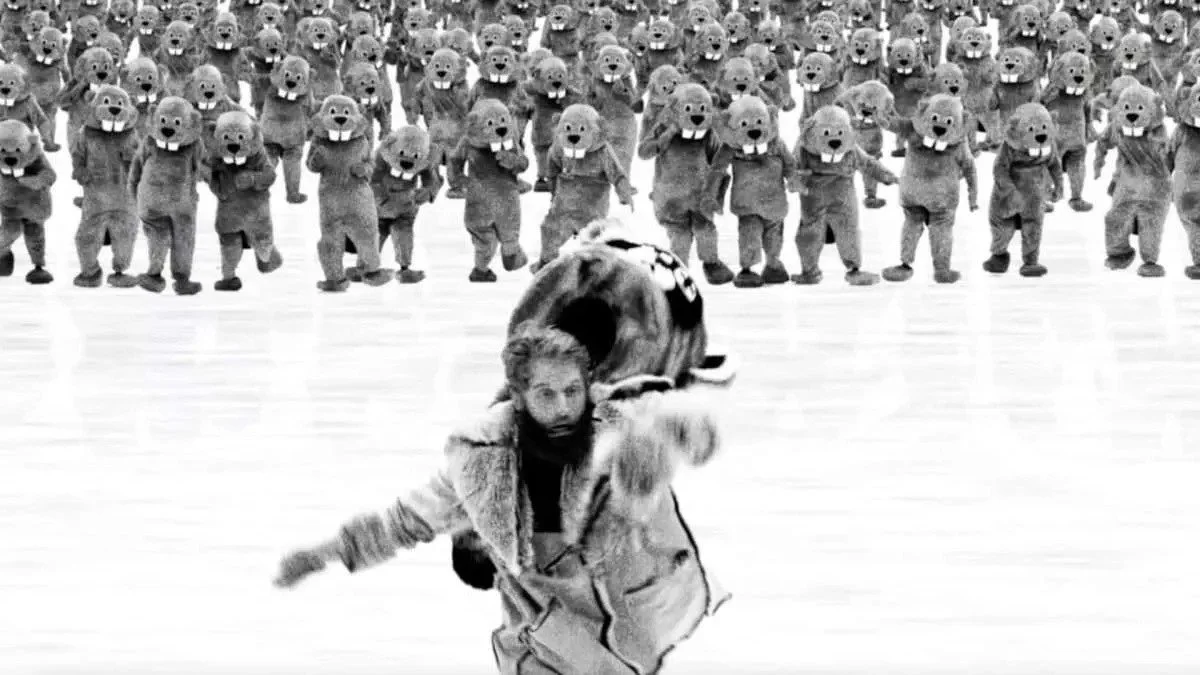
Hundreds of Beavers commits to its ridiculousness, surrealism, and chaos to deliver an entirely nonverbal story that evokes old cartoons, movies, and internet culture while never doing so in a way that feels like it’s treading old ground for the sake of nostalgia. Hundreds of Beavers feels fresh and unlike anything else despite its familiar set-dressing, and that’s what makes it so special. // Image: Cineverse
All this preamble may seem like an overkill way to say that the funny beaver movie is good. And yeah, the funny beaver movie is good, but there’s more to it than that. Hundreds of Beavers is an exceptionally funny movie, but it is also an infectiously admirable piece of creative storytelling because it is entirely uninterested in following the path of its contemporary peers. In a world where mainstream comedy movies struggle to craft their own identity, Hundreds of Beavers takes inspiration from the slapstick comedies of old mixed with early-generation internet humor to create hilarity that never feels iterative or reductive of other works.
A large contributor of my enjoyment of this film was the way in which I got to watch it. As an advocate for watching movies in theaters, it can be challenging to pinpoint what makes the theatergoing experience so essential for this type of entertainment. The average release from A24 or NEON will rarely if ever fill a theater and outside of the occasional horror flick or film associated with some kind of cultural moment (see the viral chaos that ensued during screenings of A Minecraft Movie), theaters don’t significantly elevate too many films in the moment for most people.
Such a thing can’t be said for Hundreds of Beavers. The film commits to mostly nonverbal storytelling, trusting the audience to understand what characters are thinking through visual means of conveying information. The lack of dialogue naturally draws more attention to what characters actually do throughout the film, which opens the door for the film’s largely visual humor to take hold of the audience. Hundreds of Beavers is a relentlessly funny movie in large thanks to how it takes the core fundamentals of slapstick comedy that we’re used to thanks to the likes of Looney Tunes and classic Charlie Chaplin films and flips them on their head. Slapstick is largely seen as a family-friendly means of humor, and while I wouldn’t say that the unrated Hundreds of Beavers is a raunchy film by any means, it isn’t afraid to set up jokes that end with surprisingly graphic, dark, or sexual punchlines. That alone betrays the typical expectation that audiences have from watching films like this, but a large chunk of the film’s success comes from how well it utilizes and builds upon jokes in unconventional ways.
The best example of this is the whistle joke. When Jean Kayak, the film’s protagonist, whistles a certain way, which always causes a bird to fly to him and peck him in the head. On its own, the visuals, audio, and very premise of a bird pecking a man in the head is funny. The film regularly calls back to this joke, with Jean Kayak regularly getting pecked by this bird even when he accomplishes a small victory when hunting the other animals. However, this whistle-to-bird-peck plot thread gets smartly taken advantage of when Jean Kayak needs to make use of more involved methods of hunting the animals in the environment around him. A simple joke that was once funny on its own merit is now smartly part of something that meaningfully progresses the plot. This is what becomes the norm throughout Hundreds of Beavers. Jokes are more than just jokes - they’re often a smart means of introducing storytelling elements for a story with no dialogue.
The barrage of information that needs to be communicated to the audience is done almost exclusively through visual gags and punchlines, which inevitably means that jokes will be hitting the audiences consistently. And a large part of what made the theater experience of such a movie so special was seeing and hearing the audience’s visceral reaction to many of the movie’s jokes. Most jokes ended in explosive laughter, but the film’s variety of jokes got different reactions out of the crowd. There’s one dark joke that sees Jean Kayak walk past the footsteps of a family of bunnies, with two pairs of larger footsteps accompanied by two pairs of smaller footsteps. The larger footsteps end at two tombstones, communicating that the two adult bunnies died, with the two pairs of smaller footsteps moving on - the child bunnies are still going on. Jean Kayak finds the two orphaned bunnies, who trepidatiously seek to join with Kayak as a foster father. Jean Kayak welcomes the two in a warm, welcoming way before the film hard-cuts to Jean Kayak cooking the two child bunnies over a fire. The stark contrast of innocent sweetness with graphic brutality defies the audience’s expectations - and in my screening, it led to a mix of forceful laughter and crushed heartbreak.
This audience reaction was vibrant. It was unrelenting thanks to the film’s pacing and humor. But most crucially, it was remarkably human. Seeing the communal experience of laughter, disbelief, sorrow, happiness, excitement, and shock all encapsulated by an audience of people experiencing the same film together felt…right. It felt like this is what it should be all about - crafting unique emotions and memories through a shared experience with strangers who you may never cross paths with ever again. Stories have a unique power in people, and the fact that people can experience the same stories together and have similar or different reactions is what makes engaging with art one of the most human things there can ever be. Seeing this happen in real time with a slapstick movie, of all things, cemented to me that this is what all stories ought to try to achieve: to bring people together and create a narrative experience that people won’t ever forget.
Put another way, Hundreds of Beavers is a cool-as-hell movie. Even if you don’t find its particular brand of humor personally appealing, you can’t deny that the film swings for the fences by unapologetically being itself. And that, above all else, is what makes the movie so refreshing and such an essential watch for just about anyone. Whether you fall in love with Hundreds of Beavers or just “don’t get it”, this is a film that is impossible to not craft an opinion of. It demands your attention through its unrelenting humor, and it doesn’t let go until the credits roll. That’s something I deeply admire and found inspiration through, even as someone that never intends to make anything like Hundreds of Beavers at any point in their career.
Hundreds of Beavers is as cool as it is because it is a rejection of what we’ve come to expect with modern filmmaking. Not only is making a slapstick comedy movie a rarity in and of itself, but the film uses a charming array of practical effects to convey its humor. On its surface, Hundreds of Beavers can come off as cheap due to the way the movie and its visuals look. Visual effects rarely look real compared to the real backgrounds and the way characters move can be somewhat jarring compared to the action that’s happening. And yet, it all comes back around and creates a degree of charm for the movie, especially when taking into consideration that the film was made on a $150,000 budget - an almost impossibly tiny budget for any feature-length film.
When watching Hundreds of Beavers, I couldn’t help but be reminded of early YouTube content - the likes you’d see from 2005-2008. During this era of YouTube, there weren’t things like monetization or professional content creators. People made videos on YouTube because they wanted to express themselves through a cool, new medium. Most of the platform’s videos during this time didn’t have any kind of budget and had production value that reflected as much. But such a thing led to an inescapable charm inherent to all of YouTube content during that time. Even when early-generation YouTubers incorporated visual effects into videos, it often looked cheap but only added to the spunkiness and underdog nature of video content during the mid-to-late 2000s.
Hundreds of Beavers has a similar scrappiness to its production value - and such scrappiness leads to an infectious charm that only elevates the comedy we see onscreen. Most animals are physical costumes worn by people, which leads to ridiculously funny visuals like people in bunny costumes kicking the main character while he’s laying on the ground. Similarly, Hundreds of Beavers reminds me of early internet content because of how varied its jokes are. Many early YouTubers didn’t have to worry about being advertiser-friendly or fear being demonetized by Google. Therefore, many YouTubers could delve into absurdist, sometimes dark humor that the monetization and algorithm-driven trends of modern online video culture wouldn’t allow for. In other words, Hundreds of Beavers isn’t afraid to be a bit unhinged, and such a thing only elevates its charm since the film never overextends on its craziness to the point where it’s overbearing.
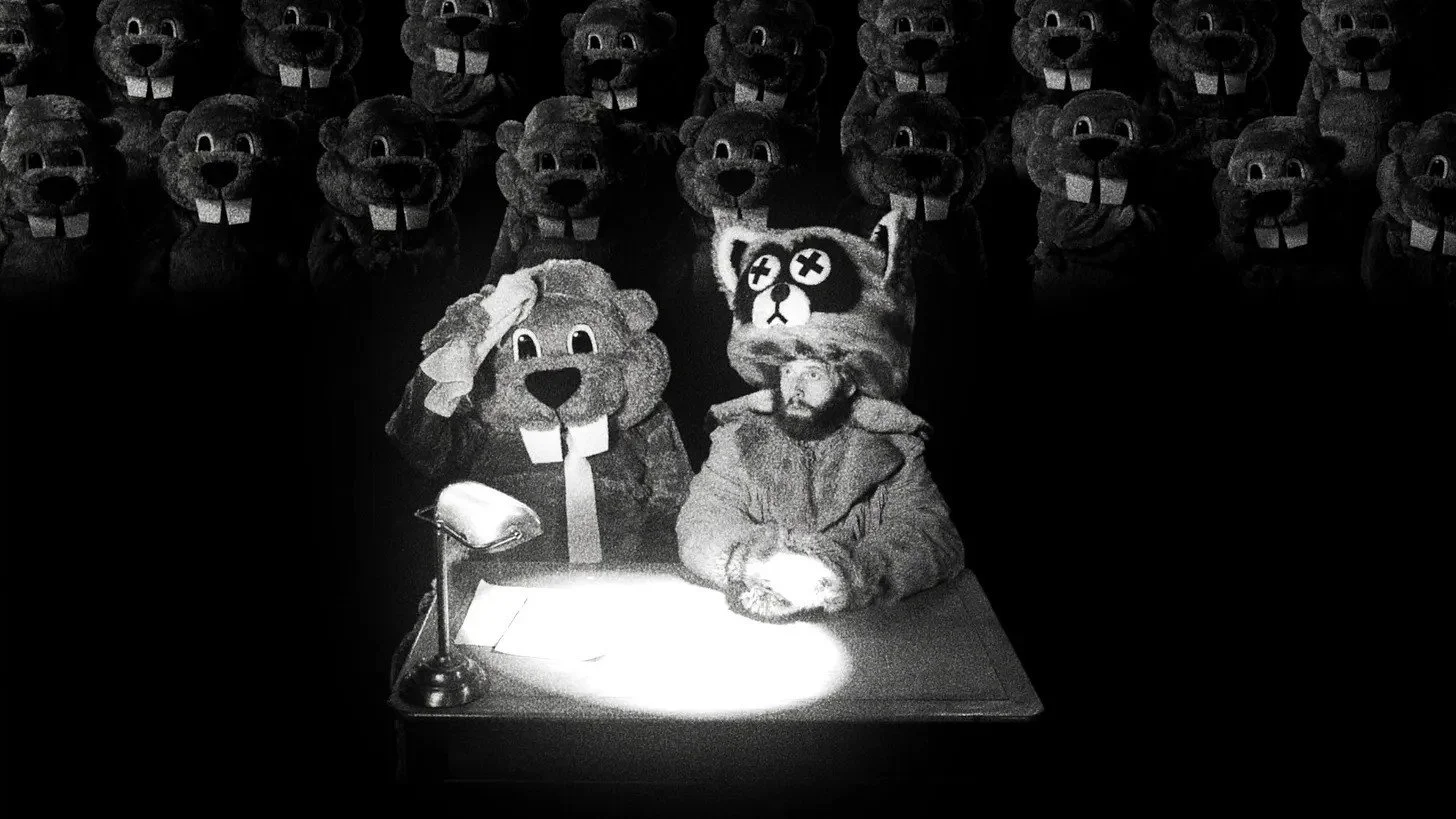
Hundreds of Beavers’ commitment to using practical effects is evocative of amateur filmmaking, giving the film an ostensible charm. Despite that amateur scrappiness, the quality of humor, writing, and performances stands far above most other productions that dwarf this film’s budget. // Image: Cineverse
It’s impossible to refrain from admiring Hundreds of Beavers not necessarily just because of what it is, but also because of what it represents. Hundreds of Beavers is a peerless film - there is nothing else like it, even in the robust indie side of the film industry. The film is built on a shoestring budget and is aimed at a niche, limited audience. And yet, it just goes for it and accomplishes what it sets out to do anyway. Hundreds of Beavers cuts through the corporatism and financial conservatism that has become so associated with nearly every creative industry and just wants to make a fun movie.
Hundreds of Beavers wears its inspirations on its sleeve and yet it isn’t afraid to carve its own identity and create a moviegoing experience unlike anything else. Like everyone else in the sold-out screening at my local theater, I found myself laughing out loud more times than I count and audibly reacting to every crazy thing that this film mercilessly presented. I had fun while watching Hundreds of Beavers - but more crucially, I felt alive. Getting to engage with something alongside others in such a visceral way was the precise experience I needed at this moment in my life.
Here I was, watching a movie that was very obviously a passion project by all involved and was made for all the right reasons. Hundreds of Beavers is a film clearly crafted with love for slapstick comedy and its unique capabilities. More than that, though, Hundreds of Beavers is devoted to having fun with its premise and execution of its ideas - and that energy is palpable to each and every person that watches it. When seeing it in a theater setting, Hundreds of Beavers’ energy latches on to dozens or hundreds of people at a time and leads to an unforgettable viewing experience. That energy, that very force that permeates the souls of everyone in the theater is the ultimate mark of success for all the cast and crew that brought Hundreds of Beavers into the world. Hundreds of Beavers greatly succeeds at its mission - my screening filled with nearly neverending laughter is proof of that.
That, I feel, is what we should all strive for. We should all strive to make something that brings people together and makes them feel something. We should all strive to remind our audience that they’re alive. Whether that’s through the jubilation of slapstick humor or the sorrow of tragic storytelling or the contemplative quietude of a provocative piece of art, all creative expression should strive to deliver on an emotional promise to its audience. In order to achieve such a thing, you have to make something. You have to make cool shit that elicits a response from people.
I will likely continue to have a relationship with burnout throughout the rest of my life. I will likely always struggle with feeling like the art I make throughout my life won’t ever have any true value. But I can and will continue to write stories, create characters, and build worlds because I have to make something. I want to make something because I know I’m at my happiest and proudest when I’m creating something that I’m confident will elicit an emotional response from another human being in the future. I will commit to making cool shit now and throughout my entire life because I can’t imagine doing anything less. Through committing to making the types of stories and experiences I’d like to see more of in the world, I’m playing my role, however small or insignificant it may be, towards making the world a better and more thoughtful place. I can only realize that through continuing to move forward. I can only realize my mission of creating meaningful art by never forgetting that I should make cool shit and never relent in doing so.
We should all do that. Whether you’re making a funny beaver movie or a philosophical epic, we’re all capable of making cool shit and putting it out into the world. So, let’s do that. We owe that to ourselves and all artists that have come before - even the ones that told jokes about men in beaver suits getting lured into traps with poop.
Thank you very much for reading! What are your thoughts on Hundreds of Beavers? What are examples of of art that has made you remember the value of making something that no one else can? As always, join the conversation and let me know what you think in the comments or on Bluesky @DerekExMachina.com.