Top 5 Games of 2025
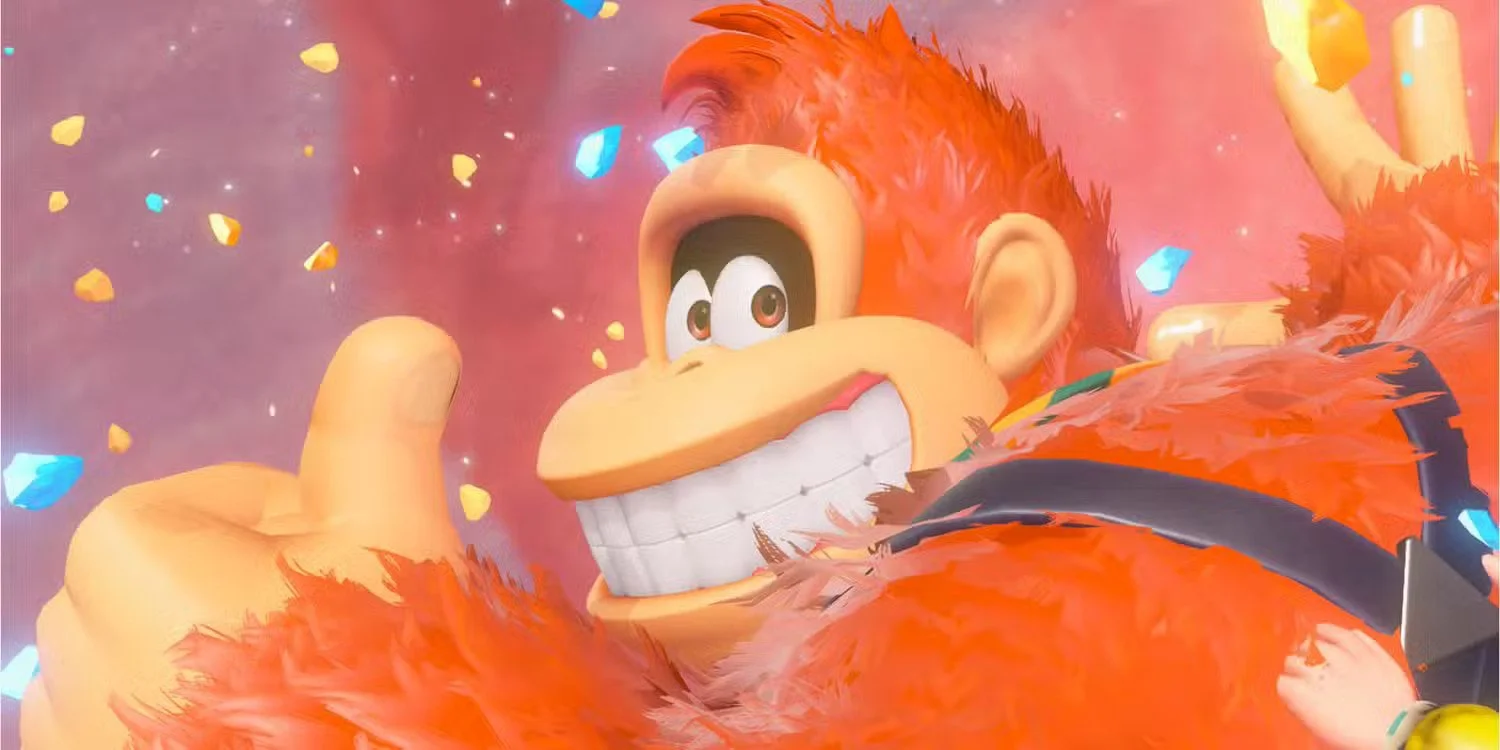
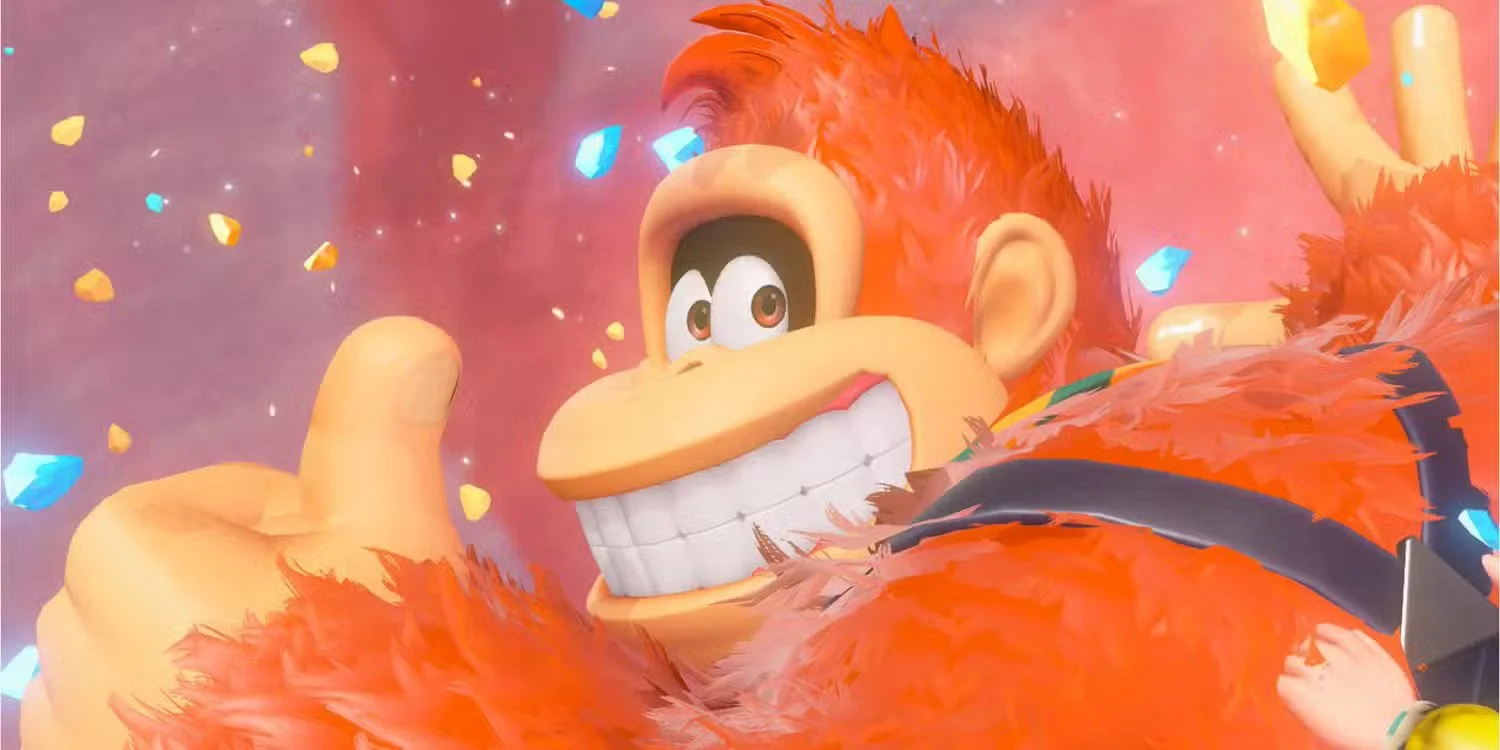
In retrospect, 2025 stands as a refreshing year in the games industry. In a generation that has typically given accolades to studios that have iterated on frameworks established in previous games, many of 2025’s best games reached as great of a quality as they did because they dared to carve a new path forward. // Image: Nintendo
The only assured death of any creative industry is that of stagnation. The moment the video games industry becomes exclusively filled with iterative sequels and unambitious franchises lacking any kind of meaningful competition is when it will cease to be the bastion of creative, life-altering experiences that has improved so much of our lives. If there’s any massive lesson to take away from 2025 and be incredibly thankful for, it’s that the spirit of the ambitious, risk-taking, creative video game is alive and well.
I won’t pretend that the games industry has made a complete recovery from the human suffering that has been wrought by industry-wide layoffs that have upended the lives of tens of thousands of talented game developers over the last couple years. Layoffs, studio closures, and needless suffering has still plagued the industry this past rotation of the sun, but for the first time in two years, we’ve seen a decrease in the overall loss of talent in the year. 2025 did manage to offer a glimpse of hope that the games industry may finally be stabilizing in the post-COVID era. That sense of hope for a better future of the industry, as vague and potentially naïve as it may be, is a direction that I hope to see continue as the 2020s move along.
There are other lessons to take away from 2025 - the biggest one being that rad-as-hell video games are still indeed coming out. 2025 saw the release of brand-new hardware with the Nintendo Switch 2, which, despite the lack of bombast at its launch, saw the most successful console launch of all time. A new console brought a slate of new titles, from new first-party exclusives from Nintendo, to impressive ports like CD Projekt Red’s Cyberpunk 2077, and long-awaited releases, such as Deltarune: Chapter 3 and 4. Outside of Nintendo’s new hardware, big new releases were varied and consistent throughout the entire year. The biggest trend of the year, I would argue, is that the year became perhaps the best year for independent games - certainly for sequels to legacy indie darlings.
Games like Hollow Knight: Silksong and Hades II finally saw their long-awaited launches take place in 2025, and they respectively sat as two of the most critically and commercially successful games of the year. Silksong was even so successful that it crashed multiple storefronts upon its launch. While both of these games were sequels to previously acclaimed indie megahits, indie games throughout the year popped off throughout the year. Games like Blue Prince, Despelote, Ball X Pit, and PEAK were all new ideas that took the world by storm - and all of these came from small teams with big ideas. Even the games industry’s critical darling of the year, Clair Obscur: Expedition 33, came from a small development team releasing their freshman project.
In many ways, 2025 represented the value of new, original ideas and how offering fresh, experimental experiences is essential to keeping the industry fresh and alive. Many of the year’s most successful games were ones that were willing to take risks and be different from what’s come before. Between the domination of indie developers throughout the year to the sheer variety of ideas posited in many of the year’s best games, 2025 was, in my eyes, a net gain for the overall direction that the games industry is headed on. There are still many battles and uncertainties ahead, such as generative AI’s presence in game development (something that I was relieved to see so much resistance for among the broader games community) - but I look towards the future of the games industry with more optimism than I have in the last few years.
But enough of that shlock - who wants to hear my opinion on the best video games of the year?
To be candid, I had a different focus throughout much of 2025 compared to past years. While I typically try to make an effort to play a good number of new games every year, I ended up spending much of 2025 focusing on my practically endless backlog. I rolled credits on over 50 games in 2025, with most of them being games I’ve been meaning to play for years or even decades. That admittedly puts me in a bit of an awkward spot when crafting a list of my favorite games of 2025. I didn’t get to experience as many new releases as I would have liked this year, but what 2025 releases I did get to play this year left me incredibly impressed and satisfied. Many of 2025’s releases have gone instantly into my wishlists and backlog of games to play.
Some games that I was very much looking forward to, but couldn’t make time for include games such as:
Dragon Quest I & II HD-2D Remake
Fantasy Life i: The Girl Who Steals Time
Ghost of Yōtei
Hollow Knight: Silksong
Inazuma Eleven: Victory Road
Metroid Prime 4: Beyond
Ninja Gaiden 4 (and Ninja Gaiden: Ragebound)
Octopath Traveler 0
Sword of the Sea
The Legend of Heroes: Trails Through Daybreak II
Trails in the Sky 1st Chapter
…and the list goes on.
All this is to say that I will likely continue chipping away at my backlog throughout 2026 - something that I strongly encourage anyone with a backlog to do. New games are exciting, but every game that you play will enter your life at the time when it needs to. The following games were the ones that entered my life this year and stuck with me at this particular moment in my life. Here are my top five games of 2025!
5. Fast Fusion
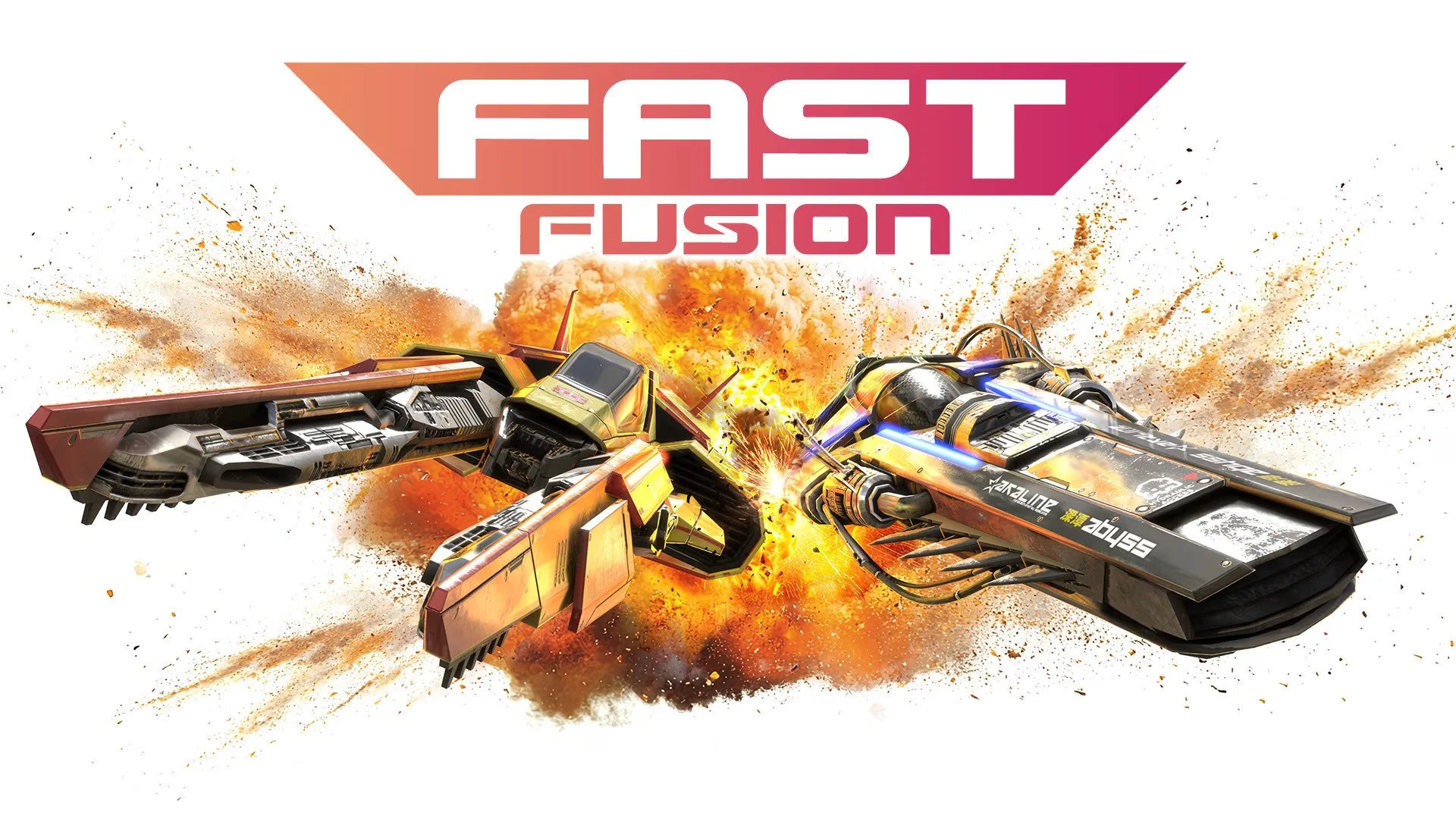
Fast Fusion represents precisely what I would love to see more of: arcade-y games that are proud to be arcade-y. Fast Fusion wears its F-Zero and Wipeout inspirations on its sleeve. In the absence of those two franchises in the modern day, Fast Fusion offers an incredible amount of replayability and fun across its fifteen well-designed tracks. // Image: Shin’en Multimedia
In the midst of the onslaught of all the more exciting and flashy launch games for the Nintendo Switch 2, I find it tragic that Fast Fusion got a bit lost in the shuffle. On its surface, Fast Fusion is yet another installment in Shin’en Multimedia’s Fast franchise, a series of futuristic racers that take on the mantle of legacy arcade-y futuristic racers like Nintendo’s own F-Zero. Through polishing and refining the formula that previous Fast games have established, Fast Fusion plays like an absolute dream and feels like a refreshing trip to the past - one where arcade-y racers had a commanding presence in the broader games landscape.
Like 2017’s Fast RMX before it, Fast Fusion is an exclusive title to Nintendo’s newly launched hardware that brilliantly showcases just what Nintendo’s new device can do. Great visual fidelity and slick art direction make Fast’s typical futuristic style pop even greater here. Menus are particularly much improved from previous Fast titles, with load screens being no longer than three seconds at any turn. This causes there to be next to no downtime between navigating menus and starting Fast Fusion’s adrenaline-pumping races, leading to an overall snappy experience that gives the player just enough time to recharge between races before getting back into the action.
Having been familiar with the series since 2015’s Fast Racing Neo, I’ve come to appreciate Fast’s unique spin on high-speed, futuristic thrills. Like previous installments, the primary mechanic involves shifting between blue and orange phases in order to take advantage of certain boost pads throughout each course. Being orange while on an orange boost pad while speed your vehicle up, while being blue on an orange boost pad will slow you down. It’s a seemingly simple mechanic, but the complexity comes from just how, well, fast the player moves through the game’s courses. Races in the Fast series boil down to gauntlets that test the player’s reflexes and memorization of locations of colored boost pads and coins that charge the player’s boost meter that allow them to boost independently from a colored boost pad. The fun of races and time trials come from optimizing the path through courses in order to ensure a near-constant stream of boosts coming from either boost pads or coins fueling your boost meter.
Achieving a constant boost throughout an entire course is both exciting and oddly Zen-inducing. I had many instances throughout my 100% playthrough of Fast Fusion where I entered a kind of flow state as the game’s courses blurred past me. It’s a feeling that I haven’t encountered in any other game in recent memory, and that uniqueness makes me look back on my time with Fast Fusion with great fondness. Fast Fusion is a game that is as fun as it is because of how beautifully its different mechanics synergize with each other. Mechanics such as phase shifting and the newly added jumping are individually small, but they come together to create a racing experience that is as exciting as it is relaxing.
This sounds like a contradiction, and yet Fast Fusion achieves this while wrapping the player’s entire experience within the confines of 2-3 minute-long treks around courses. Fusion’s track design hits the perfect balance of being long enough to offer a challenge without having any course overstay its welcome. The only detractors from the game’s overall quality are a relatively small track list, the relatively meager Fusion mechanic where the player can fuse two vehicles into one, and the omission of online multiplayer - a feature present in previous Fast games. Despite these issues, Fast Fusion remains a hidden gem that deserves as much recognition as it can get. This game wears its inspirations and focused desire to be a fun, arcade-y experience on its sleeve, and such genuineness gives the game an unmistakable charm.
Seeing such a game offer fast-paced microdoses of fun while still offering a ton of content makes me wish to see more games like this in the future. Fast Fusion likely flew under the radar for a lot of people, and as such, it’s a game I strongly encourage people to take a look at. They’ll find a game that’s intoxicatingly fun, snappy, and greater than the sum of its parts.
4. Shinobi: Art of Vengeance
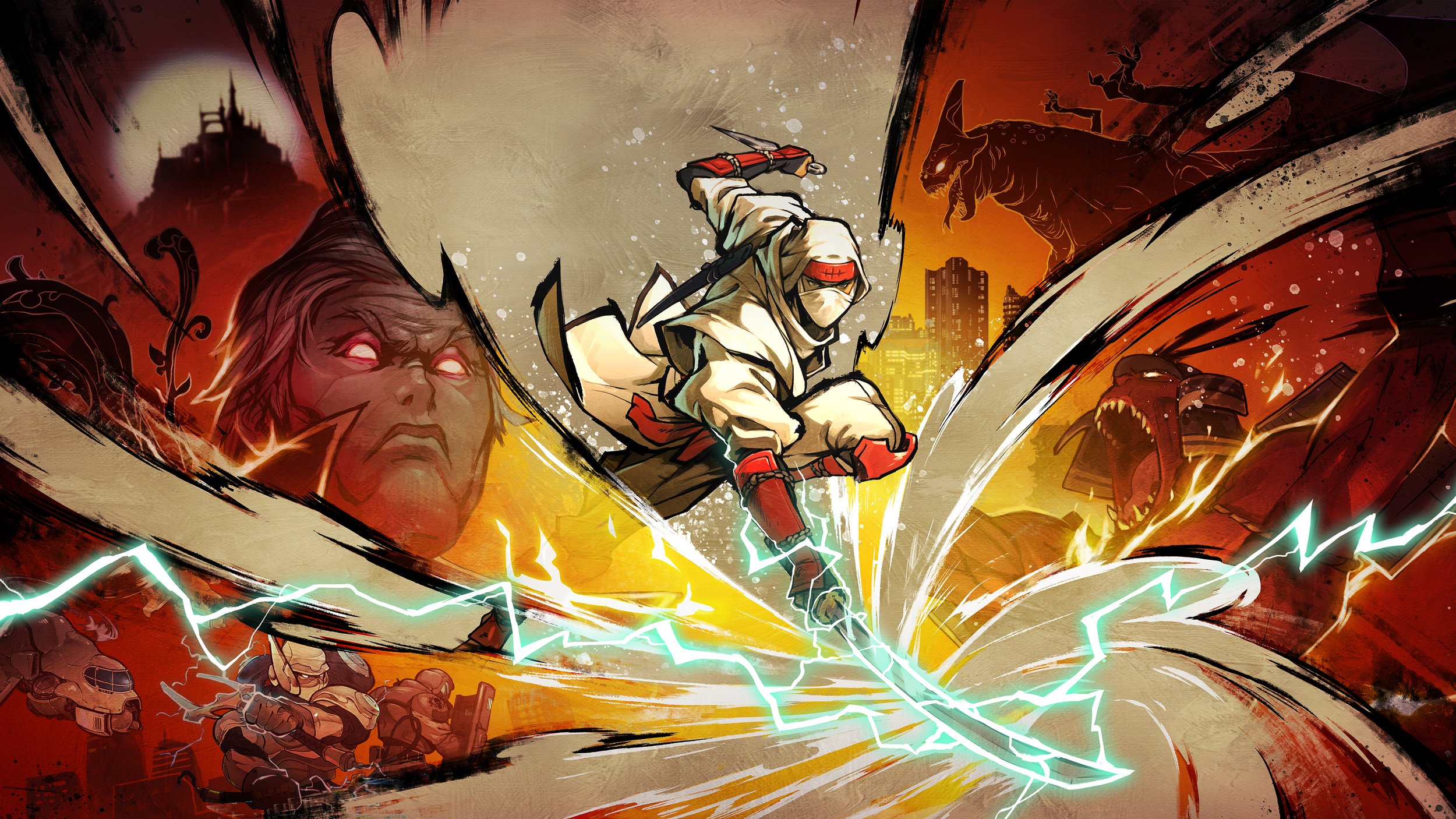
Shinobi: Art of Vengeance is a cool game, and a large part of that comes from how confident the game is in its style and presentation. The first Shinobi title in over a decade, Art of Vengeance features some of the best level design I’ve seen in a 2D platformer in a long time, and that’s doubly so considering that only five people are credited for Art of Vengeance’s game design and level design. // Image: SEGA
At the 2023 Game Awards, SEGA made the bold decision to announce five games in a single 90-second trailer. Many of these games announced appeared to reboots of legacy SEGA IP, all of which have been varying degrees of dormant within the Japanese publisher’s vault for some time. Among these five games announced in this trailer was a new Shinobi game - the first in the series since 2011’s reboot simply titled Shinobi. SEGA’s previous attempt to bring back the Shinobi franchise on the Nintendo 3DS was an ultimately mediocre effort that failed to give the franchise any kind of momentum, which is a shame considering the cool style and potential of the IP. Indeed, the Shinobi series has historically struggled to gain a comfortable foothold, with large gaps between releases being a common thread for Shinobi across multiple decades now.
I genuinely hope that changes in a post-Art of Vengeance world. Put simply, Shinobi: Art of Vengeance is a triumphant return for this franchise that exudes so much confidence, style, and slick design that it’s hard to not fall in love with it.
Developer Lizardcube has shown immense talent and respect to many of SEGA’s legacy franchises that it’s hard to imagine them not being involved in other SEGA projects in the future. In 2017, their impressive Wonder Boy: The Dragon’s Trap remake showed the world Lizardcube’s unique visual design approach to their games. In 2020, Lizardcube showcased how well they can produce original games with the excellent Streets of Rage 4 that honorably continued the legacy of the iconic beat ‘em up IP that had been long been untouched by SEGA themselves.
With that context, it seems like a no-brainer for Lizardcube to have tackled the Shinobi IP, a franchise itself SEGA seemingly didn’t know what to do with. 2011’s Shinobi was as mediocre of a reboot as it was because it lacked a cohesive story, compelling level design, or memorable set pieces. Art of Vengeance may very well be one of the best reboots of all time because it excellently addresses each of these shortcomings that SEGA’s previous effort had.
Shinobi: Art of Vengeance understands that it doesn’t need to have a complex story. All the game really needs to do is give protagonist Joe Higashi a reason to travel through the game’s levels and fight against an imposing antagonistic force. Art of Vengeance tells an admittedly simple story but with cool details and characters that help contextualize each of the game’s stages in a meaningful way. Beyond its simple but effective story, Art of Vengeance employs impressive stylings with its vivid art style, animated cutscenes, and solid voice acting that give the world of Shinobi a decisively cool vibe. Tee Lopes’ understated, lo-fi soundtrack additionally helps create this unmistakable sense of coolness throughout the game.
Where Shinobi: Art of Vengeance truly excels is in its level design - a make-or-break point for any 2D platformer. Art of Vengeance carries on the series’ legacy of being a level-based 2D action-platformer. While each level is designed in a way that’s fun to go through, what makes Art of Vengeance’s levels as good as they are is their density. Indeed, each of Art of Vengeance’s levels feature multiple collectables that give meaningful rewards such as new combat moves, new gear that provide passive buffs that give the player access to new playstyles, and even new Ninpo abilities that act as special moves. The meaning behind these rewards genuinely makes going after Art of Vengeance’s many collectables feel worth it. Collectibles become fun to collect not only because of the meaning behind their rewards, but because they test different pillars of the game’s design ethos.
Oboro Relics expand the game’s shop with more equipment and abilities. The player finds these collectibles through exploring the game’s environments and remaining curious to find secrets in parts of level design. Elite Squad encounters are essentially enemy gauntlets in specific parts of levels that test the player’s prowess of the game’s stylish and snappy combat mechanics. Lastly, the Ankou Portal in each level takes the player to a sub-area that primarily tests the player’s platforming skills. These segments often task the player’s use of double jumps, aerial dashes, wall jumps, and additional movement tools at the player’s disposal in genuinely challenging navigation sequences.
Art of Vengeance frequently incentivizes, tests, and rewards the player’s proficiency in exploration, combat, and platforming - and the level design throughout each of Art of Vengeance’s levels are up to snuff with making these three pillars of the game’s design consistently interesting to engage with. Joe Higashi feels incredibly responsive to control, and the amount of options that the player has at their disposal makes moving through the world and cutting through enemies feel consistently fast, dynamic, and stylish.
Art of Vengeance injects a tinge of Metroidvania-style design into its progression as well, with certain abilities like a downward thrust, access to a grappling hook, and a glider all granting access to new areas in older levels. While this leads to some backtracking in the game’s earlier levels, Art of Vengeance smartly dodges the monotony of backtracking by giving the player access to fast-travel within levels, with consistent checkpoints throughout levels making players not have to travel far to check out new areas in previously completed levels.
Beyond that, Art of Vengeance just has good levels filled with memorable moments. Lizardcube has done a phenomenal job with stringing together platforming sequences and combat scenarios together in a way that feels equally balanced, preventing any particular aspect of the game’s design from overpowering others. Whether running through a neon-soaked city, a moving train, a lantern festival, or a lab producing monsters, Art of Vengeance’s levels are as visually diverse as they are mechanically balanced and interesting to explore.
This is to say nothing of the game’s actual combat, which consistently encourages rapid movement between enemies. Slashing enemies raises an enemy’s execution gauge, which, when filled, allows Joe to insta-kill them with a Shinobi Execution, which increases the amount of resources dropped by enemies. The gains of Shinobi Executions increase when executing multiple enemies simultaneously. This encourages players to string combos between multiple enemies with the various combat tools they’re given access to. Put simply, Shinobi: Art of Vengeance delivers simple but deep combat thanks to smart design decisions and quick movement options that make combat consistently devastating and snappy. Art of Vengeance’s strong combat is capped off with impressive boss fights (complete with cool-as-hell vignettes that show Joe standing off against the opponent at the beginning of each fight) that all have interesting mechanics and challenges to fight around.
On top of all of this, Art of Vengeance also features a robust amount of accessibility options that allow the player to cater the entire game experience to their liking. Although the game has deep and often frantic combat, accessibility options ensure that Art of Vengeance is a game that can be thoroughly enjoyed by just about anyone.
My only issues with Art of Vengeance are minor grievances with the game’s lack of polish in its menus, which regularly rear the head of bugs that make map navigation irritating and unresponsive. There is also odd visual and audio stuttering when entering levels or viewing cutscenes, which unfortunately give a bit of a rough-around-the-edges feel to parts of the game’s presentation. The game itself is so unbelievably fun and well-designed that it’s easy to look past these minor shortcomings, though.
Shinobi: Art of Vengeance is a fantastic game that delivers 2D action-platforming with some of the greatest level design, encounter design, and style in any game in recent memory. The fact that only five developers are credited with Art of Vengeance’s game design and level design is genuinely head-turning considering how phenomenal each of Art of Vengeance’s feel to play through. More than that, Shinobi: Art of Vengeance is just a cool-as-hell game thanks to its confidence, style, and rock-solid pacing. With additional content like a Boss Rush and an Arcade Mode on top of grabbing all of the game’s collectibles, there’s a lot to do in Shinobi: Art of Vengeance - so much so that it makes the game’s budget price tag seem like a genuine steal.
The best part of Art of Vengeance is that it single-handedly injects life into the Shinobi franchise. This game was so fantastically designed and fun to play through that I can’t wait to play the next Shinobi game. Given how well this game critically and commercially performed, I would be shocked if SEGA doesn’t follow this up and give the Shinobi series a sense of momentum that it hasn’t truly been afforded in over twenty years. Art of Vengeance is so good that I think it will genuinely change that. Shinobi is likely a series that we’re going to see more of, and it’s a testament to Art of Vengeance that one game is enough to make that a certainty.
3. Clair Obscur: Expedition 33
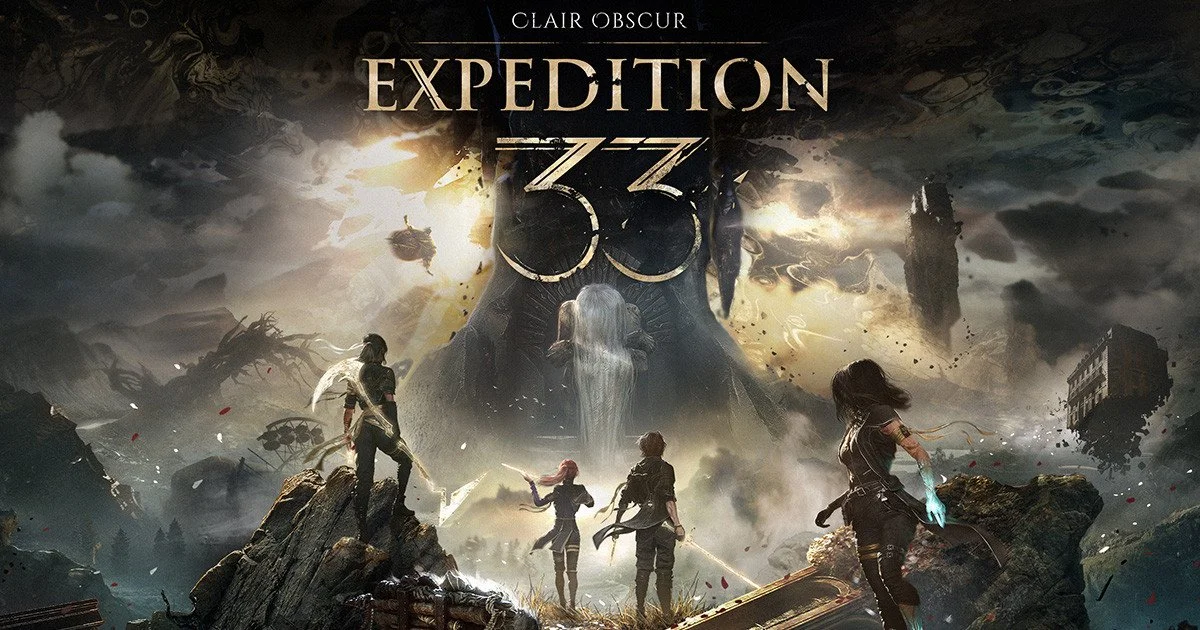
Despite having a few minor issues with the game’s UX and narrative direction, I can’t argue that Clair Obscur: Expedition 33 hasn’t deserved its critical acclaim and buzz throughout the entire year. The game is as much a love letter to classic JRPG game design as it is a bold frontier towards crafting an RPG experience unlike any other. // Image: Sandfall Interactive
You don’t need another rundown of why Clair Obscur: Expedition 33 has been the games industry’s darling for the past year. We all know that this game represents just about everything that we feel the industry needs more of: a small but passionate team of junior developers that wanted to make the game of their dreams that also paid homage to their inspirations, including many first-time developers. This game punches above its weight and has overcome the odds to become a game that captured the hearts and imaginations of every player that has embarked on its journey. It’s impossible to not root for such a game - but it also helps that the game itself is just fun as hell.
As a fan of JRPGs and turn-based games, Clair Obscur: Expedition 33 feels like a game that’s meant for me. The game takes lessons from games like The Legend of Dragoon, Final Fantasy IX, and Lost Odyssey while injecting plenty of new, original ideas that make it feel familiar yet completely new. The game’s bleak setting is evocative of the melancholy Lost Odyssey, creating a world that feels filled to the brim with sorrow and trauma, but a sliver of hope of a better tomorrow is what keeps each of its characters moving forward. In a genre that’s admittedly filled with youthful spirit, comedy relief, and familiar tropes seen in the likes of anime and manga, Clair Obscur: Expedition 33 feels like a mature evolution of JRPG conventions that is so familiar yet new that it has successfully introduced the genre to a new generation of players. That isn’t to say that Expedition 33 is free from the likes of comedy relief and levity. Indeed, Expedition 33 gives itself the grace to have fun with itself with quirky characters and very video game-y minigames, but it also knows how and when to focus on serious, melancholic moments that smartly and empathetically discusses heavy subject matter.
The true star of the show of Expedition 33 is its phenomenal combat, which gives each of its playable characters enough tools to make every single turn in every single battle a ripe opportunity to employ dynamic strategies. Between mixing Free Aim attacks with each character’s unique mechanics along with successful Dodges and Parries to acquire new AP for abilities and even perform counterattacks to enemies, there’s a lot to take into consideration with Expedition 33’s combat model, but it’s never so much to the point where it’s overwhelming.
Expedition 33 takes a page from games like Xenoblade, Trails, and Persona, in that new mechanics are gradually introduced to the player throughout their journey. The rate at which new combat options are provided to the player are doled out in such a way that makes the game’s ultimately complex and demanding combat system never feel insurmountable to players. The Dodge and Parry mechanics specifically transform Expedition 33’s combat system into being one that handsomely rewards thoughtful observation of enemy attacks and timing to counteract them. It feels intoxicatingly satisfying to get through a fight without taking any damage - and the developers are aware of this, given that players receive a 20% EXP bonus if they complete fights doing just that.
Expedition 33 is filled with such instances of thoughtful design - to the point where it feels like the developers constantly have the player’s back. Anytime the player may became familiar and potentially complacent with the game’s combat system, new enemies and boss fights are introduced to the player that seriously test them, necessitating new and thoughtful strategies. This causes Expedition 33 to never feel boring or grindy, given how strategy and resilience is the ultimate indicator of success in any of the game’s many demanding fights.
Completing Expedition 33’s dynamic and detailed combat system is the impressive lengths it allows players to customize their characters. Expedition 33’s combat is only as good as it is because it opens the door to so many different build combinations and opportunities thanks to the detailed Picto and Lumina systems, which each grant characters passive abilities that can turn the tides of battle in their favor. Many of these abilities are completely transformative with regard to how players can go about fights. Certain abilities make inflicting status ailments more valuable, while other abilities make performing basic attacks more effective at building AP. The player has so many options available to them that the very process of combing through these options and building a character feels like a minigame in and of itself - and that’s a secret sauce that makes any game in this genre reach incredible levels of fun.
In and out of battle, the player will be immersed in the game’s incredible soundtrack, art direction, and overall style. While Expedition 33 is very clear in its mechanical inspirations, its aesthetic identity feels entirely unique and unforgettable. The hauntingly beautiful soundtrack from Lorien Testard is filled with incredible tracks that make battles, dungeons, cutscenes, and navigating the world map feel climactic, cool, chilling, somber, and every emotion in between. Likewise, the game’s art direction and overall fidelity feels remarkably stylized and unlike any other RPG that I’ve played, Japanese or Western. The game’s production value with its voice acting, cutscene direction, and overall polish feel far above anything that we’ve come to expect from a smaller, independent developer. That’s yet another reason as to why Expedition 33 is such an easy game to enjoy: it feels remarkably humble in the face of its monolithic ambitions and impressive yet reasonable scale.
I still take issue with a few decisions in Clair Obscur: Expedition 33, namely in the direction that the story takes in its third act as well as poor user experience with the game’s menus. There’s also an uneven difficulty curve for the game’s optional content that makes it feel less rewarding to engage with compared to the main scenario’s content. Such issues are easy to look past given how much the game gets right, though. Like just about everyone else that has played this game, I think this game walks the line between delivering a fun RPG and telling a thought-provoking and dark story nearly perfectly. The issues I have with the game just got in the way of the overall fun that I had by the time that I rolled credits.
Clair Obscur: Expedition 33 is a game that’s significant for a lot of reasons, but I hope that the biggest part of this game’s legacy is proving to the world that the JRPG genre has so much room for continued evolution, expansion, and capability to reach new audiences. This game had so many odds standing against it, and yet it succeeded and thrived in a way that I think should and has inspired just about every indie developer hoping to make something that will resonate with people.
In a world where it feels harder than ever to make creative works get seen by and make a difference to people, Clair Obscur: Expedition 33 is a remarkably refreshing and heartening beacon of hope. Expedition 33’s success represents so many promising things for the future. It promises a hopeful future for JRPGS, it promises a hopeful future for independent, small development teams, and it ascertains a hopeful future for games that are unafraid to tackle great ambitions even with modest resources.
You can read more of my thoughts on Clair Obscur: Expedition 33 here.
2. Donkey Kong Bananza
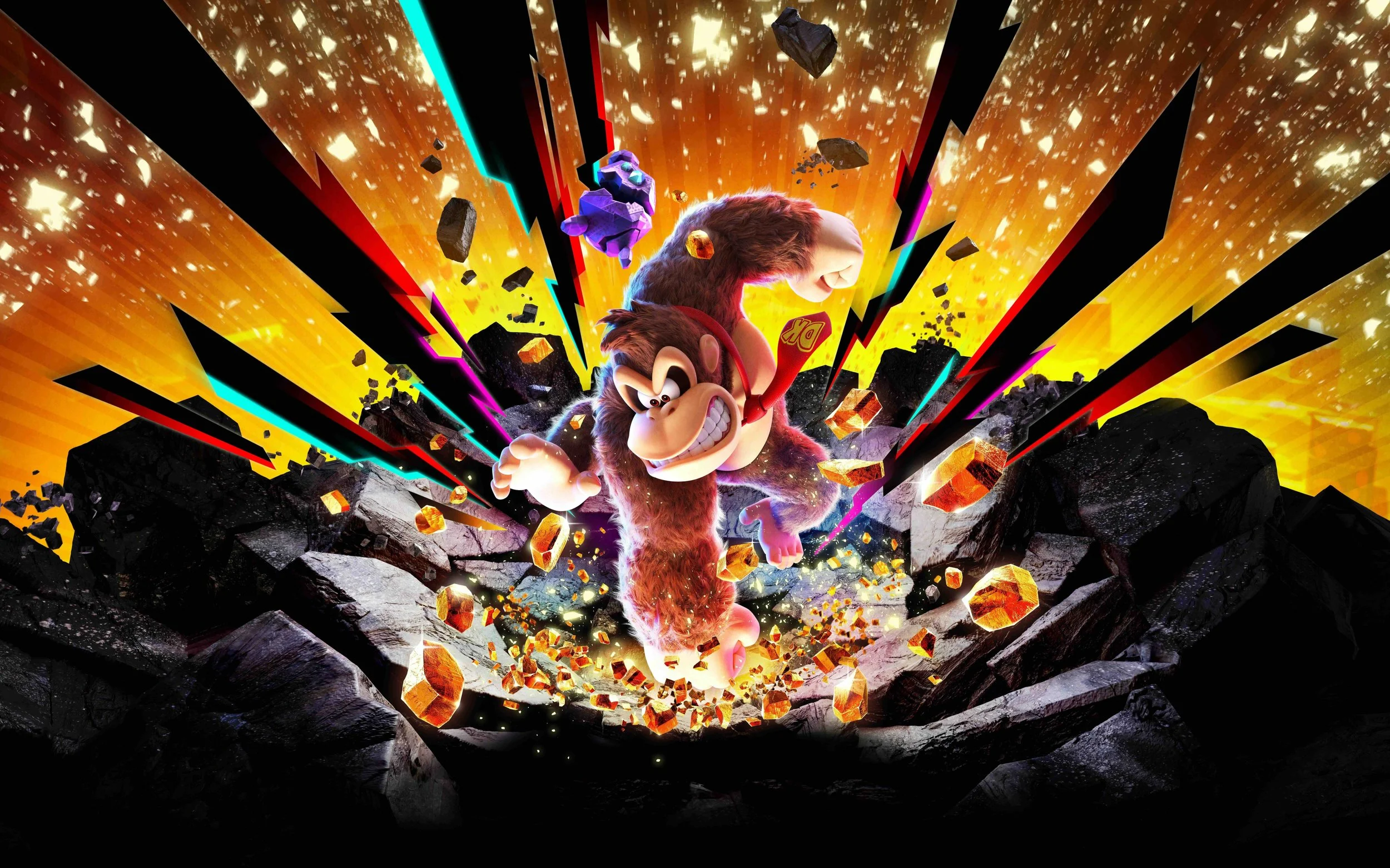
Most developers would logically follow Super Mario Odyssey up with a bigger, better Mario sequel, and yet Nintendo opted to craft an entirely new type of 3D platforming adventure with Donkey Kong Bananza. DK’s abilities that allow him to smash through terrain, activate Bananza transformations, and climb around environments create 3D platforming moments that stand apart from anything Nintendo has offered before. Bananza treads new ground for a genre long thought to have been perfected. // Image: Nintendo
Donkey Kong Bananza is proof that some of the very best games are the ones that surprise us. There have been intermittent rumors over the last couple years that a new 3D Donkey Kong game was in development, but nothing substantial or convincing enough to be convinced that such a thing was real. Moreover, it’s been over eight years since the release of the last full 3D Mario platformer. When the Nintendo Switch 2 was announced, we had every reason in the world to believe that a new 3D Mario game would naturally be announced to help move units.
But that didn’t happen. Instead, a new Donkey Kong game was announced with Bananza, the first platformer in the series developed internally at Nintendo since 2004’s Donkey Kong Jungle Beat and the first 3D title in the series since 1999’s Donkey Kong 64. The fact that the Mario Odyssey team were working on a DK game instead of a more predictable and financially more lucrative sequel to Odyssey is deeply admirable. Nintendo EPD opted to walk a different path and make something that, while still certainly having the Mario Odyssey DNA encoded in parts of its design, feels completely new and unlike anything Nintendo (or the rest of the industry, for that matter) has produced before.
EPD traded Mario’s various options for jumping for pure destruction. Donkey Kong may have less tools at his disposal to perform traditional platforming compared to Nintendo’s mascot, but in their place are brand-new tools that transform Bananza into being unlike any other 3D platformer on the market. Indeed, Bananza is all about inviting players into sandboxes and letting them complete challenges with whatever tools at their disposal that they wish to take advantage of. Some players may opt to play Bananza like a traditional platformer and primarily rely on DK’s jumps, aerial dashes, use of grabbed terrain to perform a double jump, and so on. Other players may instead entirely rely on DK’s ability to punch through terrain and carve their own paths towards their destination. You can upend entire levels or navigate the pre-built terrain of Bananza’s tightly crafted levels. Whichever way you choose to move through Donkey Kong Bananza’s world, complete its various challenges, and collect its mind-bogglingly vast amount of collectibles, it’s hard to not have a smile on your face the entire time you’re doing it.
And that, to me, is what makes Donkey Kong Bananza so special: its pure fun factor.
From jumping across various chasms using DK’s platforming tools to using the various Bananza transformations that evolve the number of ways that Donkey Kong can interact with and navigate through levels, it’s liberating having access to so many options throughout Donkey Kong Bananza. Yet, this plethora of tools never feels overwhelming or unfocused. A lot of what’s to thank for that is the relative density of levels. The player won’t go too long without coming across a Banandium Gem or Fossil as they trek through each of Bananza’s diverse levels. Every corner or curiosity within each level contains a secret to be uncovered therein, and due to the sheer power that the player possesses through Donkey Kong, they can navigate between each corner and secret of the world quickly and destructively. Because of this, the player can find collectibles relatively quickly, causing there to rarely ever be a long stretch of time between gathering collectibles and making tangible progress. Levels’ density of collectibles ensures that the player constantly feels like they are accomplishing meaningful tasks - and what helps this feeling is the genuine value inherent to Bananza’s collectibles.
Bananza takes all the right lessons from the criticisms of Mario Odyssey and Donkey Kong 64. While there were hundreds of Power Moons to collect in Mario Odyssey, they stopped doing anything after unlocking the Darker Side of the Moon, the game’s final level. This made every Power Moon collected thereafter lack meaning beyond seeing an arbitrary number go up. Likewise, Donkey Kong 64 is infamous for having various different collectibles that all serve different functions, which ultimately made the whole collection process in that game feel bloated, messy, and conducive to lots of backtracking.
Bananza comparatively only has a few collectibles to keep in mind, with the Banandium Gems and Fossils (of three different rarities per level) being all that the player needs to look out for within levels. Each of these collectibles have a meaningful function, which in turn, makes them more satisfying to collect. Fossils unlock cosmetic options for Donkey Kong and Pauline, while the Banandium Gems gradually reward Skill Points, which can be used to purchase upgrades and new abilities for Donkey Kong, some of which greatly transform what the well-dressed gorilla can do.
Grabbing collectibles in Donkey Kong Bananza is a fun, satisfying experience in itself, but paired with the fact that each of the game’s collectibles also give meaningful rewards ensures that the player never feels as though their time is being wasted should they choose to pursue collecting all there is to find in a level. Even if players choose not to be a completionist, there's still a lot to like in Donkey Kong Bananza. The challenge levels create regularly fun, bite-size gauntlets that test the player’s platforming and understanding of the game’s various mechanics. The boss fights, while mostly on the easier and shorter side, smartly take advantage of DK’s different abilities. And the actual levels that the player has to go through all feel unique, contain level-specific gimmicks, and are genuinely a joy to trek through.
Donkey Kong Bananza is as good of a video game as it is because it constantly feels as though the entire game was designed with a fun-first mentality. Everything in this game, from its level design to its structure to its late-game fanservice, feels like it was crafted with the intention of making players feel joy from start to finish. That was certainly my experience with Donkey Kong Bananza, and such an experience is what made me fall in love with video games in the first place.
Video games are at their best when they’re transporting us to different worlds and making us feel something, and few games do that better than Donkey Kong Bananza. Such a triumph makes it easy to look past the at-times underwhelming performance and lackluster DLC. There are very few games that have succeeded in making me feel absolute joy from beginning to end. Donkey Kong Bananza’s success in doing just that makes it one of my favorite games I’ve played in a long time.
You can read more of my thoughts on Donkey Kong Bananza here.
Honorable Mention: Hades II
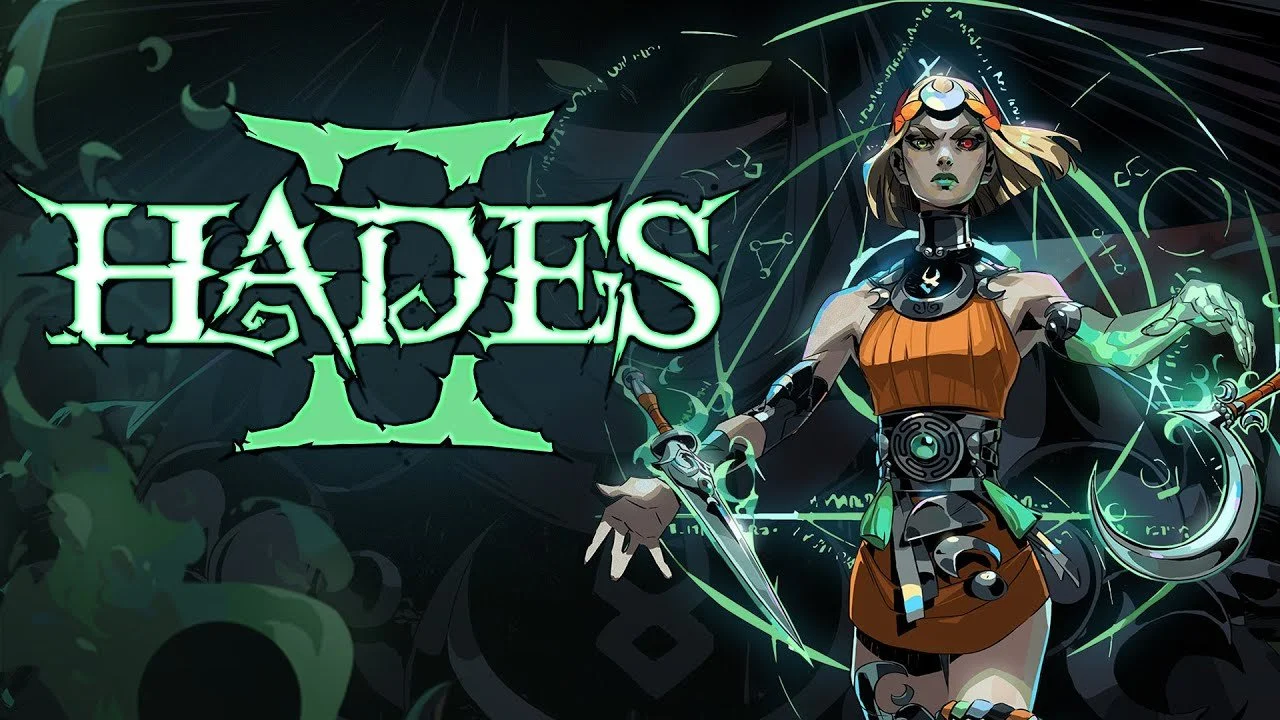
It’s hard to argue that Hades II isn’t about as perfect a sequel as you could ask for. Like its predecessor, every run in Hades II feels like a micro-adventure with its own unique drama, triumphs, and takeaways that drive the player to never want to stop doing runs. Hades II is addictive and is a poster-child for how to follow-up a game that nearly perfected what it sought to do. // Image: Supergiant Games
There are admittedly times where I struggle to find the words to do a game justice in my mind. As someone that loves to overexplain why I love certain games; as someone that loves breaking down what makes certain games work as well as they do, there are instances where I think a lot of what works in a game is fairly self-evident and hard to do justice through words.
Such is how I feel about Hades II, a remarkable achievement in rogue-like game design that stands as one of the best instances of the genre. From its tough-but-always-fair challenge that tests players’ movement, risk assessment, and understanding of the strengths and weaknesses that come with their crafted build, to the meaningful upgrades that players can make to their character between each run, Hades II is a beautifully elegant follow-up to its stellar 2020 predecessor.
It’s easy to say that Hades II is simply more Hades with new weapons, boss fights, and new characters, but to do so is to reductively cast aside just how much new stuff is packed into this game. Hades II’s different weapons and tarot card upgrades make the actual play experience of Hades II’s isometric action feel unlike its predecessor. Melinoë’s movesets require a lot more tact than Zagreus’, making my overall approaches in my runs in Hades II feel a lot more strategic and thoughtful, whereas I got away with runs in Hades by brute-forcing encounters in a lot of instances. Such a greater focus on strategy and resource management gives Hades II an entirely different texture to its gameplay, making series veterans still have a lot to grapple with as they dive through the underworld countless times.
Truthfully, both Hades and Hades II are games that I’m pathetically bad at, and as such, these are both games I intend to continue playing well into the future and get better at over time. I haven’t seen all of Hades II’s content not just because there’s a lot of it, but because I’m still in the process of improving at the game, understanding the best ways to synergize different Boons together, and consistently survive jaunts through Hades.
Hades II is a fantastic game whose quality is immediately identifiable, and it’s one that I look forward to continue playing and understanding how and if I can ever write words that can fully convey everything that makes it play so well and feel so fun to play. As is, this is a game that everyone owes it to themselves to check out.
Xenoblade Chronicles X: Definitive Edition
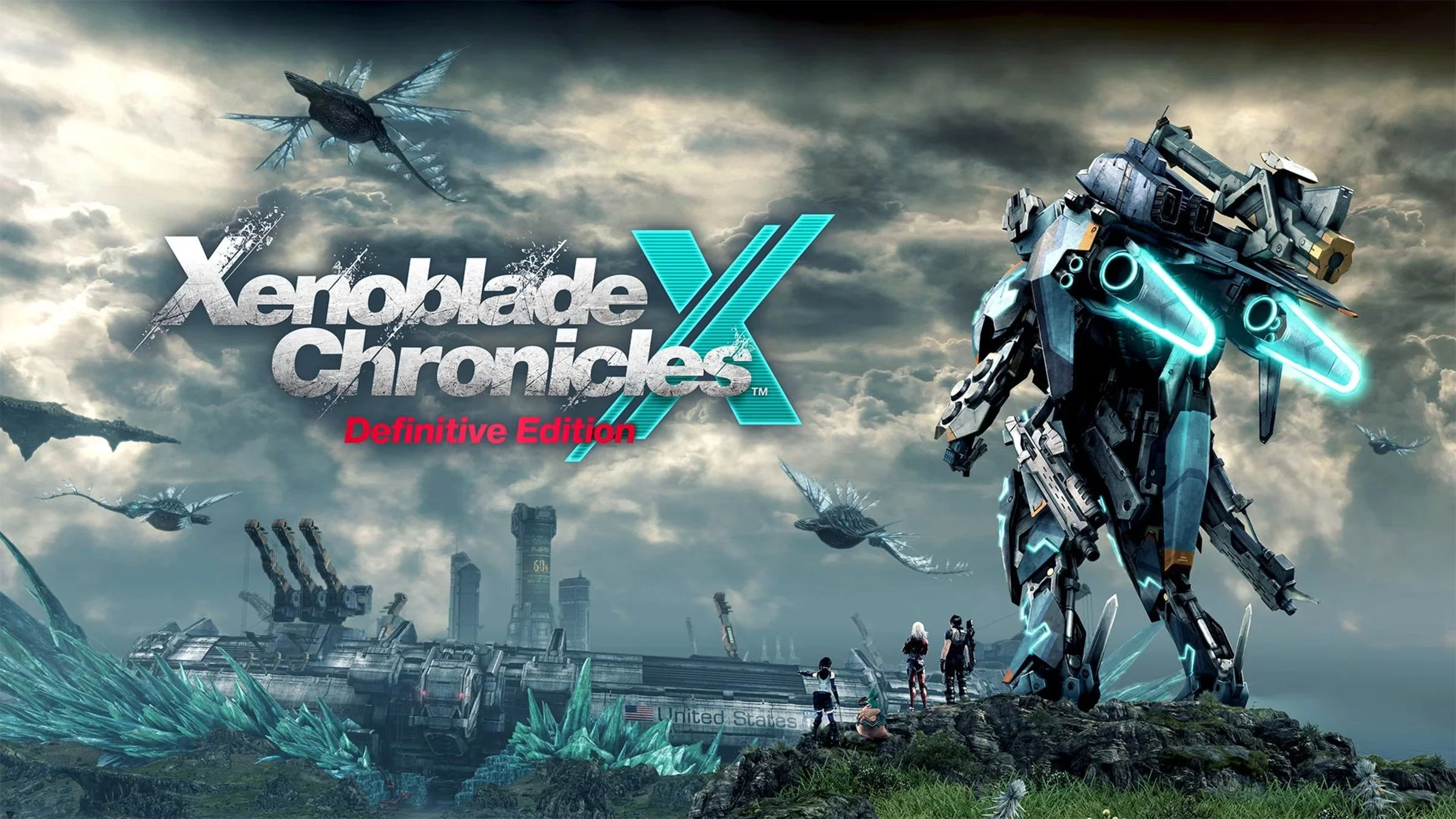
I don’t care if Xenoblade Chronicles X: Definitive Edition is a remaster/port of a 2015 Wii U game - it still stands my favorite game released this year and as one of the greatest video games ever crafted. It is also a likely candidate for my favorite video game of all time. Even ten years after its original release, Xenoblade X continues to inspire awe in me - so much so that it has gotten me to pursue a career in creative writing and game development. // Image: Nintendo
Some may construe my pick for Game of the Year being a remaster/port of a decade-old game as being a cop-out. But those people have most likely not played Xenoblade Chronicles X: Definitive Edition. Likewise, they most likely aren’t familiar with the context of my relationship with this game. To say that Xenoblade Chronicles X is an important game to me is an understatement. Xenoblade Chronicles X is a dream game to me - one that I’m eternally grateful that exists, because it has genuinely informed the direction that I’ve chosen to take my life in. I would likely not be here, writing this blog post, having been a professional writer pursuing game development, if not for this video game.
That may sound like a melodramatic exaggeration, and I don’t blame anyone for thinking that. But beyond how this game has inspired me to think about storytelling and game design in ways I had never thought of before, I just find Xenoblade Chronicles X to be a special game - one that’s infectiously fun to play.
As an adult, I don’t get many opportunities to completely lose myself in a game for over a hundred hours. When Xenoblade Chronicles X originally came out in North America in December of 2015, I was in the midst of my first year in college and only worked part-time. It was easy to make the time for a 100+ hour JRPG because I didn’t have too many other responsibilities and obligations in my life. In the time since Xenoblade X’s original release, I’ve graduated college, gotten nearly nine years of work experience as a professional writer and editor, and have gone through various life experiences that have shaped me into a different person than the one I was over a decade ago. But also, I have a lot more responsibilities and priorities that I need to put above playing video games, making the time I spend on video games a far more valuable resource than when I was in my late teens at the onset of my adulthood.
I’m providing this context because, without even seeming to try, Xenoblade Chronicles X: Definitive Edition was able to put me into a trance - one that made me easily spend over 125 hours in less than a month playing through this game. All the stresses the worries that I had at the time I was looking for work and struggling with depression and loneliness all washed away as I became completely immersed in the world of Mira.
What made me fall in love with Xenoblade Chronicles X back in 2015 was the incredible world that Monolith Soft built. Unlike so many other open-world RPGs that choose to create large worlds for the sake of creating a large scale and greater marketability, Xenoblade Chronicles X’s massive size has an unmistakable intentionality to it. The scale of Xenoblade X’s world is so fun to roam through because of its diversity and density. Each of the game’s five continents feel remarkably different from one another. Journeying through Primordia is a visually and mechanically different experience than journeying through Cauldros because of the two continents’ different verticality, unique hazards, placement of enemies, and overall construction. Continents can feel diverse in and of themselves, such as the difference between Noctilum’s Coil Tree Cape to the Qing Long Glade to the Divine Roost. Xenoblade Chronicles X creates such an immersive world because it feels believable; it feels remarkably alive.
In addition to being a vibrant world, Mira also features remarkably intelligent environment design. In order to increase Mira’s overall Survey Rate (a task that unlocks Story Missions as well as bestowing the player with meaningful rewards), the player needs to complete hexagonal Segment’s on the world’s map. Each Segment gives the player a different task to do in that area of the map, whether it’s opening a certain treasure, fighting a Tyrant (Xenoblade X’s take on Unique Monsters, Xenoblade’s optional boss fights that openly roam the environment), or completing a side quest associated with that specific area. This restraint greatly works in the game’s favor, as map completion doesn’t exactly require the player to do absolutely everything in an area, but rather, just complete one individual task within a certain area. This prevents Xenoblade X from exhibiting the overwhelming checklist phenomenon that makes so many open world games feel bloated. Moreover, through only having to complete a small number of tasks in a space for completion, that opens the door for the player’s exploration of the world to be driven not through obligation to complete checklists, but basking in their own curiosity and sense of adventure.
That curiosity is paired with the genuine mystery and intrigue offered by Xenoblade X’s world. Mira is familiar yet bizarre, otherworldy yet comfortable, dangerous yet awe-inspiring. There are so many odd sights that will inevitably draw the player’s attention. What’s behind Primordia’s giant waterfalls? What’s at the top of Oblivia’s mysterious giant discs? What is inside Sylvalum’s giant globe that glows at night? Mira is as brilliant of an open world because it constantly invites the player to bask in their curiosity and imagination, which ultimately strings the player along into crafting their own adventures in Mira.
This is the glue that brings together all of Xenoblade Chronicles X’s elements. The game’s deep combat system features complex systems like secondary cooldowns, Soul Voices, and Overdrives. Taking advantage of and eventually mastering each of these mechanics is deeply satisfying and leads to Xenoblade Chronicles X featuring some of the best boss fights and moment-to-moment combat systems in any JRPG. The customizability inherent to character building is also incredibly deep, with different classes and weapons giving access to different active Arts and passive Skills that all come together to transform the way characters engage in combat. Playthroughs of Xenoblade X have the capacity to be immensely different depending on the way that the player wants to go about combat, and that leads to an overall experience that feels neverendingly fresh.
This isn’t even taking the Skells into consideration, which are another component that help transform Xenoblade Chronicles X into a dream game for me. Not only is Mira a massive world, but the player is given tools to quickly navigate through it via mechs that can eventually fly through the Miran skies (complete with a bangin’ track that plays whenever the player soars through the air). There are truly no barriers that stand in the way of the player’s wanderlust and curiosity about the strange world that Monolith Soft has crafted, and that’s what makes the game such a special experience.
This elation of freedom in the face of the main story’s insurmountable stakes creates a palpable tension throughout the game’s runtime that gives all of the player’s actions a greater weight. Every side quest completed, every landmark discovered, every sliver of progress towards increasing Mira’s Survey Rate helps humanity build a new life on Mira, find the Lifehold, and prevent the human race from dying out. The stakes of Xenoblade X are massive, and yet this is a game that is also unafraid to bask in the silliness of its characters and the coolness of its style and aesthetics. There is so much to enjoy and get lost in with Xenoblade X that losing dozens of hours of your life to this game becomes effortless.
Definitive Edition is about as ideal of an improvement as fans of the original game could ask for. Beyond fixing the issue of the original game’s sometimes unreadably-small UI, Xenoblade Chronicles X: Definitive Edition overhauls the game’s quest tracking, art style for its characters to be more consistent with the art style seen in Xenoblade Chronicles 3, as well as various quality-of-life features that make the game more accessible and streamlined than ever before. On top of that, Definitive Edition adds four additional playable characters, most of which bring along new Affinity Missions, which still stand as some of the game’s very best content. Lastly, Definitive Edition finally gives answers to the original game’s mysterious, ambiguous ending by adding a massive new chapter to the game. Admittedly, there are some issues I take with the direction that this new chapter takes the story in, but like with so much of the rest of the game, I respect Definitive Edition’s new story content for swinging for the fences and being bold with what it posits, even if all of it doesn’t entirely land for me.
Xenoblade Chronicles X: Definitive Edition takes what is likely my favorite game of all time and makes it even better. In that context, I don’t think there was a chance for any other game to top this as being my favorite game of 2025. Over ten years after its original release, Xenoblade Chronicles X is still inspiring me to think about writing and game development in different ways. This game has inspired to walk the path of a writer and game developer because of how much it does right, and Definitive Edition is living proof that everything I loved about Xenoblade X still holds up all these years later. Beyond all of that, Xenoblade Chronicles X: Definitive Edition is also an exciting game because it teases a promising future for Xenoblade - one that I can’t wait to see unfold over the coming years.
You can read more of my thoughts on Xenoblade Chronicles X: Definitive Edition here.
Like last year, I find myself walking into the new year grateful for all the great video games that have positively enriched my life. Whether they released in 2025 or were older games being officially taken off of my backlog, I got the pleasure of playing through a lot of incredible games. Such a privilege, I feel, has gotten me to become a more informed writer and game developer. Video games continue to inspire me to strive towards making meaningful art that not only has something insightful to say but also makes people feel like they belong.
As I’m writing this from Minneapolis, Minnesota, the world is becoming an increasingly unpredictable and dangerous place. My own community has been the victim of hostile actions committed by a government that seems to take pleasure in terrorizing its own citizens. It’s hard to feel that such a world is worth staying around in, it’s hard to remain motivated to make meaningful art when so many terrible things seem to happen in the world. But then I remind myself - art is precisely what we need to heal the world from terrible things. Each game in this list helped transport me to another world and got me to think critically about viewing the world in a different way, either through storytelling or through mechanics communicated to the player. Through being transported to another world, people are able to have fun and interact with stories and ideas that make them think about the world differently, however that may take shape. Video games are essential for finding joy in a world that can feel joyless, even scary at times.
That’s why I eagerly look forward to the coming year - to see what new games will inspire me as we move towards a (hopefully) brighter future where happiness can be more prevalent in the world.
As I look towards the future, I have two primary hopes. Firstly, I hope that I can be involved in crafting games that make people feel joy and spread joy themselves throughout the world. Secondly, I hope video games and all other forms of art inspire us to lead life in a way that makes the world a better place.
That is the only way that the world can and will ever truly heal. Let’s move towards that future together. And may we play some cool-as-hell video games along the way.
Thank you very much for reading! What are your favorite games of 2025? How does my list compare to yours? As always, join the conversation and let me know what you think in the comments or on Bluesky @DerekExMachina.com.