Clair Obscur: Expedition 33 Review: A Turn-Based Marvel Punches Above its Weight, Flaws and All

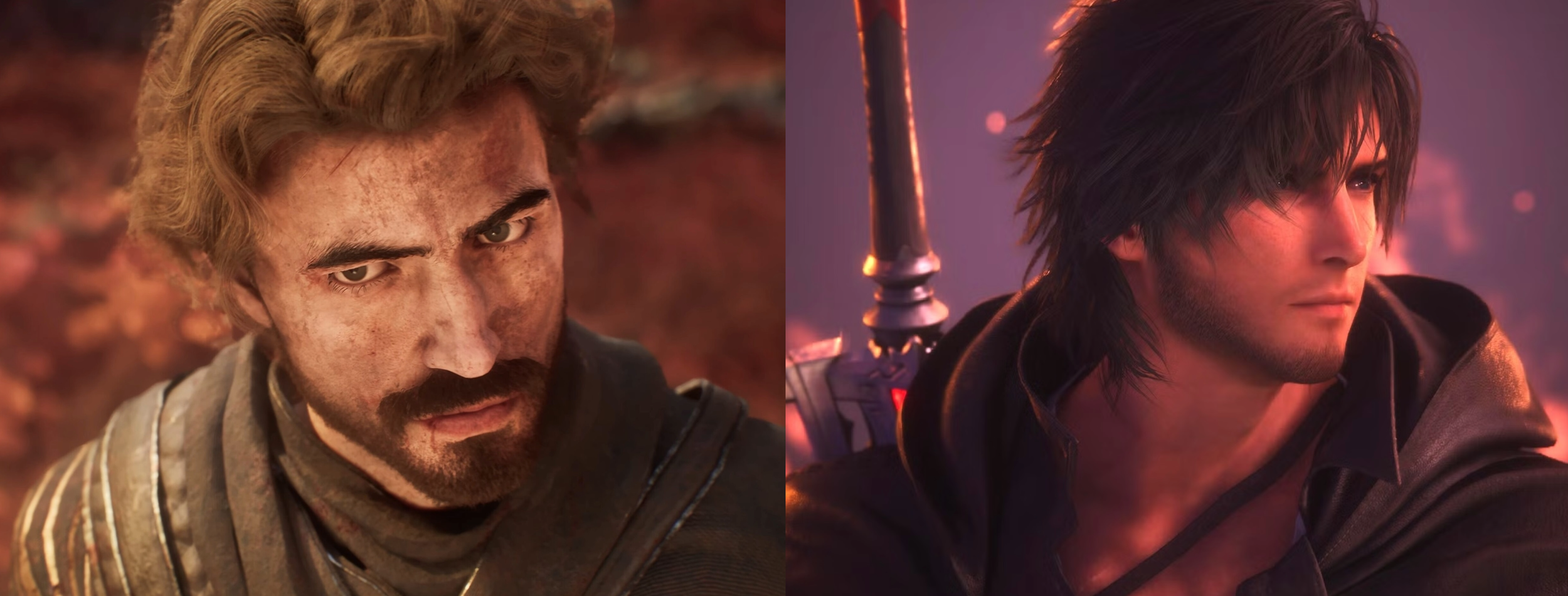
Clair Obscur: Expedition 33 is more than just a great RPG that carves its own identity while honoring the many JRPGs that inspired it. This game is a representation of how developers being allowed to make the games they want to make can lead to greatness and success. // Image: Sandfall Interactive, Kepler Interactive
No matter the medium, there’s a particular truth when it comes to the landscape of art. There will always be instances of trends popularized by certain breakout hits that will make a certain genre or style popular for a couple years before inevitably fading into something more niche or even nonexistent. This is an undeniable reality in the world of video games, especially as the last few years have illustrated with the likes of hero shooters, social deduction games, and extraction shooters. Every genre has its day in the sun that spawns immediate popularity and a variety of franchises trying to carve out a portion of the market for itself.
But the best genres - the ones capable of standing the test of time - are the ones that are able to survive their brightest days in the sun and still see great success years and decades after their initial mainstream appeal has worn off. Such is the case with JRPGs, a fantastically rich subgenre of the role-playing game that has endured a tumultuous history ever since Dragon Quest kickstarted the style of RPG in 1986. JRPGs went on to be a popular style of game in Japan - effectively introducing the very concept of role-playing games to a large chunk of Japanese audiences. Given that tabletop and computer RPGs were not as popular in Japan as they were in the West at the time (and even then, these games only appealed to a small section of an already niche audience), JRPGs played a significant role in shaping a generation’s relationship with the RPG and the unique possibilities the genre presents for video games.
Many JRPGs struggled to get international releases in the ‘80s and ‘90s, thus limiting the genre’s reach outside of Japan. Influential games like Final Fantasy V, Shin Megami Tensei, Dragon Quest V, and Mother / EarthBound Beginnings wouldn’t have a chance to be appreciated by international audiences until years after their original releases. Many of the JRPGs that did release internationally during this period struggled to make a big sales splash and often came with far-from-perfect translations thanks to the fact that localizations weren’t typically something given a lot of resources during this period in the games industry.
In spite all of that, the genre prevailed and garnered a cult following internationally. Countries like France, Canada, and the United States were particularly big into the niche genre. The few JRPGs that did get an international release were often highly celebrated and cherished by their players. From the ambitious Phantasy Star that included graph paper for players to draw maps for the game’s labyrinthine dungeons to the bizarre and quirkily written EarthBound to the universally beloved darling Chrono Trigger, JRPGs found ways to strike chords with players and make them fans of the genre for life. As niche as the genre was, JRPGs steadily made an impact on the players that did manage to stumble into the genre.
The JRPG niche only explode in popularity in 1997 with the release of Squaresoft’s groundbreaking Final Fantasy VII. The seventh installment in the renowned JRPG series was only the fourth game to be released in North America, and the very first in the series to be launched in Europe. The game’s gigantic marketing push in addition to its story and mechanics being unlike anything that people had seen in a video game before pushed it over the edge. Now instead of just being a popular type of game in Japan, the JRPG was now capable of being popular around the world as had been proven with Final Fantasy VII. The JRPG had graduated from a niche subgenre relatively few had heard of to being an international industry trailblazer.
The following couple years would be filled to the brim with JRPGs filling the market, most of which seeing strong success relative to releases from just a few years earlier. The PlayStation and early PlayStation 2 era is often considered a golden era of the genre thanks to the variety, quality, and cultural relevance that the JRPG had during this period. Some games stuck to a traditional turn-based structure like Grandia, Suikoden, and Xenogears. Other JRPGs experimented more with action-based combat, such as Parasite Eve, Brave Fencer Musashi, and Kingdom Hearts. Others yet found ways to meld turn-based combat with action commands, such as The Legend of Dragoon and Paper Mario. What came to be known about JRPGs during this time period was that the genre was an inherently fluid and experimental one. Games in this genre frequently reinvented themselves and innovated in sometimes small, but meaningful ways. Very few JRPGs played similar to one another or told stories similar to one another - JRPGs were discovered to be a uniquely bold genre unafraid to experiment, for better and for worse.
But, inevitably, this honeymoon period was fated to last. The genre remained popular, but after 2001’s Final Fantasy X, there weren’t any other industry-disrupting releases that kept the genre on top of the games industry. The JRPG had its moment in the sun and was more in the background over the coming years, still having the occasional big release that garnered headlines. That would be until the late 2000s during the Wii, Xbox 360, and PS3 era - an infamously difficult time for Japanese developers across the board. The JRPG genre went through a bit of an identity crisis during this period, giving way for Western RPGs to usurp the general RPG fandom, with studios like Bethesda Game Studios and BioWare being at the peak of their popularity.
Despite the difficult period, the JRPG genre survived the late 2000s and early 2010s. Releases like Lost Odyssey, Xenoblade Chronicles, and Bravely Default course-corrected the difficulties that the genre had faced in the preceding years. This would lead to an eventual renaissance of the genre in the late 2010s and early 2020s with megahits like Persona 5, NieR: Automata, and Final Fantasy VII Remake - a renaissance that I would argue that we’re still in the middle of to this day.
All this is to say that when Clair Obscur: Expedition 33 released and quickly became one of the most talked about games of the year, some may be led to believe that “JRPGs are back”. In truth, they never left with recent JRPGs like Xenoblade Chronicles 3 and Metaphor: ReFantazio were nominated for Game of the Year in the years they released. While the statement of JRPGs being back may be untrue, the sentiment is one I’ve found to be interesting.
Like many watching the better-than-expected Xbox Showcase at Summer Game Fest in 2024, the game that caught my attention the most was the surprise announcement of Clair Obscur: Expedition 33, a game that was clearly paying homage to turn-based JRPGs while still being an impressive-looking modern game in its own right. The game appeared to implement a turn-based combat system, something that’s become uncommon in JRPGs outside of developers like Atlus and Falcom that have stuck by turn-based combat through thick and thin. But what drew eyes to Expedition 33 was what it was innovating upon and adding to the conventional turn-based structure. The game was to include Free Aim shooting, as well as a Dodge and Parry system that appeared to inject a lot of action and reactive elements to the turn-based system.
These action-oriented components quickly made the game appeal to those who find turn-based games to be not as interesting to play. Moreover, the game had an unquestionably appealing aesthetic, with great music, fantastic art direction, and strong visual fidelity making for a strong first impression.
As more information came out about the game leading up to its April 2025 launch, the more Expedition 33 earned good faith from players and critics. Sandfall Interactive, the newly formed French developer of about 30 employees, were composed of numerous ex-Ubisoft developers that left the massive AAA publisher and developer in order to work on something they had passion for making. Developers that once worked on Ubisoft’s tired open-world format games like Ghost Recon Breakpoint were now working on what was clearly a passion project - a passion that sought to continue the legacy of the JRPGs that had inspired the developers at Sandfall Interactive to pursue game development in the first place.
The passion inherent in Clair Obscur: Expedition 33’s creative direction was as striking as it was telling that the developers at Sandfall Interactive clearly cared about honoring its inspirations. That said, Expedition 33 was very clearly also trying to carve an identity all its own, and the result is a game that has been endlessly talked about throughout the year and has garnered Game of the Year buzz ever since it launched. The game marks an exciting, new juncture - one where we’re seeing the effect that JRPGs have had on Western developers. Clair Obscur: Expedition 33 represents how JRPGs have influenced and inspired generations and are still capable of inspiring new audiences and generations decades after the genre first broke into the international mainstream.
We got a taste of that with games like Undertale and Deltarune, but unlike Toby Fox’s beloved titles, Clair Obscur: Expedition 33 features a larger scale that combines the creative spirit, direction, and passion of indie games with the production value most would associate with a AAA release. Despite being an ostensibly AA release, Clair Obscur: Expedition 33 is an interesting game to talk about because of how much it punches above its weight. The game launched at a budget price of $50 USD, has groundbreaking visuals, but still retains the creative direction and ambition that’s typically exclusively seen in the independent sector of the games industry. Beyond that, Clair Obscur: Expedition 33 is a game that tries to do a lot with its combat, with its presentation, and with its story and it does all of it with an unmistakable confidence that’s easy to admire.
That isn’t to say that the game is without its issues. There are instances of clunkiness in the game’s menus, dungeon navigation, and quest tracking, and I have some issues with the direction the story takes in its final act. Despite its few shortcomings, though, I can’t deny that Expedition 33 is an exciting game in many ways. It’s exciting in the bombastic gameplay moments it offers, it’s exciting in the seemingly endless possibilities it presents for build-crafting, and it’s exciting in how it puts modern and innovative spins on conventional JRPG mechanics to craft a game experience unlike anything that’s come before.
More than all of that, though, Clair Obscur: Expedition 33 is exciting in the future impact that it’s inevitably going to leave. Much like the various JRPGs that inspired generations of players and developers throughout the ‘80s, ‘90s, and 2000s during the genre’s first golden era, Expedition 33 certainly opens the door for future games of this ilk to improve upon it in the future. Expedition 33 represents a new opportunity for the JRPG genre to further refine and push itself forward into a new era of experimentation, robustness, and popularity. Expedition 33 might be the game to push the JRPG genre towards a new golden age, and that, above all, is what makes the game so enticing to play and to talk about.
So, let’s do just that. Let’s talk about Clair Obscur: Expedition 33 and the legacy it’s sure to leave on the JRPG genre and on the players that embark on its unique journey.

Clair Obscur: Expedition 33 radiantly shines where it needs to most: its combat system. Expedition 33 is ripe with mechanics and options given to the player, giving fans of turn-based combat a lot to chew on as they strategize actions to take during combat. Actions like Parries and Dodges also help expand the appeal of the turn-based combat system to fans of Action RPGs as well. // Image: Sandfall Interactive
Bitmap Books’ A Guide to Japanese Role-Playing Games fantastically illustrates the difference between Japanese and Japanese-style role-playing games and their Western counterparts: Western RPGs focus on providing an experience whereas JRPGs are focused on telling a story. Such as very much the case with Clair Obscur: Expedition 33. Despite being of Western origin, the game has universally been classified as a JRPG because of its dedication to telling a linear, movie-like story with a gameplay model that starts off equally linear before gradually evolving and becoming more open to the player. Like the many JRPGs that doubtlessly inspired it, Expedition 33 is a game whose focus is primarily on its story and combat, with dungeons and occasional towns being presented to the player in a linear order, with all locations being connected via a world map.
Expedition 33 starts with a prologue that, if going from plot beat to plot beat, is relatively short and effective. During this opening, the game’s notably somber tone begins to grab the player, as every interaction between Gustave, Maelle, Sophie, and all other characters they interact with are bathed in a pool of misery dashed with a tinge of hope. Good worldbuilding and character establishment and development cross paths beautifully during this intro, as players get introduced to the unique plight of Expedition 33’s world. The Gommage slowly tears away the world’s population, creating a culture of perpetual loss, mourning, and a vague hope to break the all-consuming cycle that suffocates the people of the world.
This intro is at its best when interacting with every NPC. Not only did this make the intro last over an hour for me, but it gave me an appreciation for the range of perspectives and characters in this world that make the world of Expedition 33 feel lived in and full of depth. Some interactions give you clever combat tutorials disguised as ways of impressing other characters while certain NPCs like the “life enjoyers” show the game’s dark sense of humor it’s willing to implement to add levity to an otherwise heavy story.
Emotional heaviness and a somber tone aren’t necessarily unheard of for a JRPG - games like Drakengard, NieR, and Lost Odyssey have featured dark stories, but the extent to which Expedition 33’s world feels as if it’s in a constant cycle of despair stands as a great contrast to a genre somewhat infamous for being full of optimistic, bright-eyed characters. In that sense, Expedition 33 feels remarkably grounded given its somber and sometimes bleak setting. Characters do a believable job at inserting humor and joy into their conversations to cope with their mortality. Different characters turn to alcohol to void out their fears and hopelessness of the future while others take on apprentices and try to mentor the next generation of Expeditioners. This introduction to the game’s narrative fantastically delivers believable relationships with this game’s dire world. With that in mind, I find it disappointing that the rest of the game isn’t very indicative of this approach. Put another way, Expedition 33 doesn’t have this emphasis on interacting with NPCs throughout most of its runtime.
Expedition 33’s main scenario has a great blend of bombastic scenes and quieter moments that help give weight to the horrifying scenes that the characters go through. From the Gommage to the bloodbath of Expedition 33 as they land on a beach shortly after they depart from Lumiere, Expedition 33 does a great job at slowing down after speedy moments in the game’s narrative to help give the story’s more tragic moments a healthy amount of room to breathe.
As the game begins its first act, we see what will become Expedition 33’s typical structure: navigating linear dungeons peppered with encounters and the occasional puzzle and side quest capped off with a boss fight and an exit that leads to the game’s PS1-style World Map. Expedition 33 is decisively light on puzzles and side activities to complete in its dungeons - the real star of the show whenever the player enters a new area is seeing the new enemies that the party can fight and the inherently new challenges that such encounters will bring.
In fact, the star of the show of the entire game, in my eyes, is the stellar combat system that Sandfall Interactive has built here. On its surface, Clair Obscur: Expedition 33 is an evolution of Final Fantasy X’s flavor of turn-based combat. In the upper-left corner of the screen, the turn order of party members and enemies can be seen, and the order of such turns can be influenced depending on certain actions and conditions that can occur during combat. At the onset of the game, the player only has access to a basic attack, a finite number of items that can be refilled at certain checkpoints in dungeons, and Skills that can be used in exchange for Ability Points (AP).
At this point, none of these things are particularly revolutionary, but what makes Expedition 33’s turn-based combat so good is the ways in which it openly plays with the format of being turn-based. For example, one ability that the player always has access to is Free Aim, which allows a party member to fire shots at an enemy. It’s a bit like Persona 5’s “Gun” command where party members in that game could shoot a finite number of bullets as a means of doing secondary damage before using their primary attack or Skill. However, Expedition 33 puts its own spin on this idea by actually allowing the player to aim where the party member will shoot, which opens the door to additional mechanics being part of this action.
For example, many enemies have weak points that, if shot, deal additional damage to them, cause explosions that deal damage to all enemies in combat, or disable certain attacks. In the Ancient Sanctuary area, many enemies use a cannon on their back to perform their more devastating attacks on the entire party. However, by shooting these cannons during a party member’s turn, you’ll deal extra damage to them and not have to deal with these more powerful attacks at all. Some enemies, such as the Petanks, even have unique mechanics where their weak point flies around the combat arena, turning the challenge of the fight into a matter of how well the player can aim and hit this moving weak point. To make this even harder, the Petank can give party members a status ailment that makes aiming more difficult. This is a small but meaningful addition that gives unique identity to Expedition 33’s combat.
Shooting via Free Aim is one of many things done with AP. In truth, the AP economy is the secret sauce that makes Expedition 33's combat work as well as it does. Party members normally accrue AP at the beginning of every turn, but through mastering other aspects of the combat system and performing smart build-crafting, players can gain more AP per turn and gain access to higher-cost Skills quicker and more efficiently.
One of the most essential and satisfying ways to build AP is to engage with the game’s Parry and Dodge mechanics. Whenever enemies attack one party member of the entire party member, the player can perform a dodge to avoid taking damage. If timed correctly, the player performs a Perfect Dodge, which, when equipping the Dodger Picto/Lumina (one of the first abilities the player acquires in the game), affords 1 AP to the character in question. However, this is limited to only work once per turn. If the player wants to gain 1 AP on every attack that one or multiple enemies perform on a party member, they’ll have to perform a Parry, an action that brings with it a higher risk and higher reward.
The Parry brings with it more danger in that it has a tighter frame window than the Dodge, so if the player’s timing is off, party members are at greater risk of taking damage. Enemies also often perform multiple attacks as part of any action they take, meaning that the player has to Parry or Dodge multiple times in a single enemy turn. If the player successfully Parries every enemy attack in a turn, they gain 1 AP for every Parry. Perhaps more crucially than that, though, the party member(s) that Parry all of an enemy’s attacks will perform a counterattack that deals significant damage back to the enemy. Getting more AP is more helpful in that it grants quicker access to each party members’ strongest Skills, but successfully Parrying and Dodging enemy attacks also creates scenarios where players can avoid taking any damage in fights, which is a disgustingly satisfying feeling. Successfully landing Parries is satisfying in itself thanks to the crunch audio design that makes every successful Parry just feel right.
The game smartly incentivizes and encourages completing battles without taking damage by rewarding the player with an additional 20% of experience points to the party, thus allowing characters to level up faster. The existence of this reward only further incentivizes the player to get better at the Dodge and Parry mechanics.
To throw in a quick critique, I found myself wishing that the offensive options had as much effort put into their timing-based inputs as the game’s defensive options. Players will spend a lot of their time during battles studying enemy movements to nail down timing for Parrying and Dodging attacks. Meanwhile, performing Skills require the player to perform timed button presses that are, comparatively, braindead easy to perform correctly. These timed buttons presses on Skills aren’t too different from the kind you’d see in games like The Legend of Dragoon and Paper Mario, but seeing how transformative Expedition 33’s timed button presses on its defensive mechanics are, it creates a feeling of unevenness. I would have loved to see more of the game’s offensive options have as much meaningful risk and reward as the game’s defensive options.
By my early playthrough, I was admittedly struggling with landing Parries consistently. This was until I fought the Chromatic Lancelier in the Spring Meadows, the game’s first dungeon. This optional fight cleverly serves as the first skill-check of the player’s familiarity and mastery of the game’s mechanics introduced up to this point in the game. This single fight serves as a great microcosm for what I would be doing for the rest of the game: studying the boss’ moves to learn timing for successful Dodges and Parries, as well as using Skills and character-specific mechanics smartly in order to apply as much damage as possible. The Chromatic Lancelier is the perfect difficulty for this kind of optional fight at this early point in the game. It’s hard enough to pose a considerable challenge to players still adjusting to the reaction-based nature of the Dodge and Parry mechanics - which are essential for surviving this fight. It’s also just easy enough to convince fledgling players to persevere and keep attempting to overcome the fight with just a few more successful Dodges, Parries, and counterattacks.
Some players may opt out of the optional fight and come back when they’re stronger, while other players may persevere and invest in the time and willingness to study the enemy’s movements to best the fight. The latter was the option that I took and after nearly half an hour of attempts, I ultimately became better at utilizing all aspects of the game’s combat available at this point. This optional fight made me better at the game and sufficiently prepared me for the more difficult fights to come.
Make no mistake, Expedition 33 is a tough game and isn’t afraid to test players’ understanding and mastery of certain mechanics. But the difficulty curve is a relatively smooth one throughout most of the main scenario. Optional areas and boss fights available in Act III have what I would consider to be a sharp spike in difficulty that nearly requires all enemy attacks to be Dodged or Parried, making a good portion of the post-game an overly punishing, dare I say un-fun time. As far as encounters and boss fights in the main scenario go, though, I found fights to consistently offer a healthy dose of fair challenge as someone that’s quite experienced with turn-based combat systems.

Clair Obscur: Expedition 33 offers incredibly imaginative art direction present in many of its dungeons. However, most dungeons lack distinct landmarks and visual differentiators, making it easy for the player to accidentally go backwards through a dungeon - something that happened to me multiple times throughout my playthrough. While I respect the game’s commitment to not having a minimap or compass take up screen space, the dungeons needed better visual variety to make up for it. As is, dungeons can easily disorient players and cause them to accidentally run in circles. // Image: Sandfall Interactive
On top of the Free Aim, Dodge, and Parry mechanics, Expedition 33’s mechanical depth is perhaps at its greatest with the character-specific mechanics. Every party member in Expedition 33 has a mechanic unique to them that makes controlling each character feel wholly unique. This answers a problem that many JRPGs struggle with: characters feeling interchangeable on a gameplay level. Final Fantasy VII, for example, features minimal stat differences in characters. Since FF7’s Materia system can effectively make any character have whatever abilities and magic spells the player desires, each character’s only true unique trait from a gameplay perspective is their Limit Break. As such, players don’t have much to consider, gameplay-wise, over which characters they want to have in their party.
Such is far from the case in Expedition 33. Every character brings with them a unique mechanic that meaningfully transforms the way the player has to consider piloting their character. For example, Maelle’s unique mechanic is her Stance system. She gains AP every time she switches between a Defensive Stance where she gains more AP from Dodges and Parries, an Offensive Stance where she deals and takes more damage, and a special Virtuose Stance where she deals significantly more damage. Most of Maelle’s Skills will put her into a different Stance or will only put Maelle into a certain Stance if a particular condition is met such as an enemy having the Burn status ailment. Moreover, some Skills have additional effects when used in certain Stances, such as a Skill inflicting more stackable instances of the Burn status ailment when in Offensive Stance, and so on. Simply put, there’s a lot to chew on with just this single mechanic, and every playable character has their own distinct mechanic that forces the player to critically assess how to optimize how they use each character.
Maelle’s Stance mechanic necessitates the player to put critical thought into what Skills they’ll assign. Since there are only six slots for Skills, the player inevitably has to strategize what build they want to go with. The unique capabilities brought forth by each of Maelle’s Stances and each of her Skills that can influence what Stances she has access to create meaningful room for player expression. Each character-specific mechanic creates limitations that therefore breed creativity in how the player chooses to take advantage of each characters’ unique capabilities. From Lune’s Stain system that encourages using different elemental spells to power up other elemental spells to Sciel’s Foretell stacking system that can be used to deal additional damage, each character-specific mechanic adds great layers of strategy to Expedition 33’s already-strategy-filled battles. While some character-specific mechanics can feel convoluted and overwhelming to deal with at first, they ultimately come together to create one of the most strategy-rich battle systems I’ve ever come across.
Battles are where Expedition 33 shines brightest. Over my 40-hour-long journey, the highlight of my playthrough was always trying new Skills to make best use of the character-specific mechanics on top of Parrying and Dodging enemy attacks to avoid taking any damage and performing ever-satisfying counterattacks. This isn’t even taking into account the Gradient Attacks, Jumps, and Gradient Dodges that become available later in the game. Jumps and Gradient Dodges serve as additional defensive options during enemy turns to look out for, while Gradient Attacks serve as super attacks that the player can build up resources for during combat. The core fun that emerges from Expedition 33’s combat comes from investing the time to learn the timing for Dodges and Parries, maximizing character-specific mechanics to build up large amounts of damage, and smartly utilizing Pictos and Luminas (more on those soon) to efficiently take down whatever enemies stand in your path.
There’s a lot to take into account during combat, and as a fan of other complex JRPGs like Xenoblade Chronicles that have a lot of mechanics going on at once, I gladly welcome Expedition 33’s mechanical depth and complexity. It leads to a game that naturally leaves a lot for the player to think about, which, in my mind, is precisely what makes for some of the most fun and rewarding RPG experiences that you can ask for.
After going through the first few dungeons, the player becomes acquainted with Expedition 33’s general gameplay pacing. Combat encounters, boss fights, and cutscenes all come together to create a consistent movement forward through the main narrative. While combat makes up a good portion of the game’s runtime, running through dungeons is likely the second largest aspect of Expedition 33’s gameplay. However, unlike the ever-evolving combat model, the dungeon design on display in Expedition 33 feels relatively stagnant.
The dungeons that the player spends much of the game’s runtime in aren’t bad per se, but the dungeons undeniably fail at being the highlight of a dungeon-filled game. The reason for this comes down to the lack of visual and objective variety within dungeons. After getting through the first three dungeons in Expedition 33, you’ll have seen just about everything that the game is willing to put in its dungeon design. While each environment poses decent environmental challenges that sometimes involve platforming or looking closely at the player’s surroundings such as with the Paint Cages that ask the player to shoot three nearby points to access a reward, there are a shockingly small number of them. One optional dungeons features a door puzzle in a 3x3 grid that poorly visually communicates what switches open which doors, and this was the most involved puzzle in any of Expedition 33’s dungeons. The lack of mechanical variety in dungeons is by no means a dealbreaker, but it prevents environmental exploration from being too enjoyable outside of grabbing hidden collectables on the many winding pathways that populate dungeons.
Despite being primarily linear, I found myself accidentally going back the way I came on numerous occasions thanks to the poor visual variety of dungeons. Don’t confuse this criticism as a critique on the game’s art direction; Expedition 33’s visual identity in all of its environments are all aesthetically tremendous. From the tranquil undersea aesthetic of the Flying Waters and the majestic grandiose of the Sirène to the desolation of the Forgotten Battlefield, Expedition 33’s dungeons offer incredible vistas that are each visually distinct from each other. But within themselves, these dungeons don’t offer many landmarks to help orient players.
The Flying Waters is a particularly strong example in the early game of an environment that’s easy to accidentally go backwards in because many of the dungeon’s rooms and hallways look similar to one another. This is compounded by Expedition 33’s commitment to not having minimap, compass, or any additional UI elements clutter the screen while exploring. While I respect and admire Expedition 33’s dedication to making exploration as immersive as possible by having as little UI get in the way as possible when navigating environments, this design decision puts more pressure on environments to be intuitive to navigate, and I just don’t think Expedition 33’s dungeons step up to the challenge.
This didn’t result in massive wastes of time throughout my playthrough, but this issue popped up frequently enough for me for the issue to become irritating. To solve this issue, I think Expedition 33 would have needed more visual variety within its dungeons, assuming the decision to not have maps or compasses for dungeons is being upheld. More landmarks, more rooms or sections of dungeons that look distinct from each other would go a long way. But another way to improve dungeons, in my mind, would be to make them shorter.
Expedition 33’s dungeons are surprisingly long, but in a way that creates a slight unevenness to the game’s overall pacing. Most dungeons clock in around 45 - 60 minutes or more to fully explore and collect everything there is to find. Many dungeons have cutscenes and story progression at the very beginning and very end of a dungeon, meaning that most of the time spent navigating a dungeon is time purely dedicated to completing battles and navigating the mostly puzzle-less environments. Most environments feel padded just enough to feel like they’re dragging on and standing in the way of me making meaningful gameplay and story progression. Many of the optional late-game dungeons exacerbate this feeling to a rather extreme degree, as they can take over an hour to complete, in some cases.
Dungeons will also be where players encounter the majority of Expedition 33’s side quests. Like the game’s minimalist approach to its UI during exploration, Expedition 33 doesn’t offer any quest tracking for its multiple side quests. Perhaps this is a throwback to many JRPGs of the ‘90s, which often expected players to remember the objectives and requisites to complete side quests that offer substantial gameplay awards. I can understand the reason why Sandfall Interactive may have opted not to include a quest tracking system - it ultimately forces the player to pay attention to the NPCs that give them quests and critically think to figure out how to solve their respective issues.
However, this decision is a double-edged sword, as it makes it difficult for the player to keep track of which side quests they have and haven’t completed. Moreover, if a player doesn’t complete a side quest in a certain area and wants to return to the area to complete it, they have no way of knowing which side quests are where. For a game that includes a fair amount of side quests throughout the journey, I think having at least a menu to keep track of the location and completion status of various side quests would have helped make this aspect of the game feel more organized and meaningful to players. As is, it’s difficult to keep track of the game’s side quests in a way that I don’t think is necessary.
Despite some issues, the dungeons serve their purpose of having players feel like they’re journeying through significantly different sectors of the world. Dungeons’ aesthetics are radically different from each other, despite all feeling mechanically familiar to one another. Where they succeed the most is in rewarding player curiosity. Every diverging pathway and optional elevator or area to explore offer meaningful rewards, most often including Recoats used to re-spec characters, Colours of Lumina to give more Lumina Points to party members, and finally Pictos used to acquire new abilities for the entire party. And this leads to yet another mechanic that further deepens the rich combat of Expedition 33: its incredible customization.
Pictos offer new abilities to characters that have to be attached to one of three slots per character. Individually, Pictos boost certain stats as well as give characters access to certain abilities without having to spend some of their precious Lumina Points to have access to them. For example, the Dodger Picto lets characters gain 1 AP for a successful Perfect Dodge once per turn. This Picto takes four battles to master a Picto, to which it becomes available as a Lumina available to the entire party. Once a character has the Dodger Picto active for four battles, the entire party can then assign the Dodger Lumina ability to themselves without having to equip the Picto. While they don’t get the stat buffs provided by the Picto, they gain access to the Dodger ability for the cost of a Lumina Point.
Every character gains 1 Lumina Point for every Level Up, but their pool of Lumina Points can be further increased by collecting and spending Colours of Lumina. Once enough have been collected, the Colours of Lumina can significantly expand what characters are capable of in combat. Many of the best Pictos/Lumina are the ones that are transformative in the ways that characters accrue AP during battle or how beneficial buffs, debuffs, and status ailments are. There are so many different build combinations that naturally arise from the variety of abilities that become available to the player through this system. And the genius of having collectable Pictos having to be active in four battles before becoming permanently available to all party members is that it forces players to try new abilities and experiment with different combinations if they want access to any new abilities at all.
New Pictos are placed consistently enough throughout all of Expedition 33’s environments to feel like something to always look forward to. A new Picto can transform the way that players can navigate combat, and as such, the discovery of new abilities makes the player immediately imagine how they can synergize new Pictos with previously acquired Lumina abilities. Finding out how you can combine multiple Pictos/Luminas to create devastating builds for party members is an intoxicatingly fun component of Expedition 33. The sandbox on offer through the Picto/Lumina system creates a playful feedback loop of player experimentation, encouraging players to think deeply about how they can combine certain abilities to gain a major advantage in even the most challenging of fights.
This system is fantastic, but it is partially undercut by one of Expedition 33’s greatest weaknesses: its unintuitive user experience that becomes apparent when navigating menus. Specifically, the menus for engaging with Pictos and Lumina make the process of equipping different abilities and developing new, experimental builds unnecessarily cumbersome.
The Picto/Lumina system in Expedition 33 reminds me a lot of Final Fantasy IX’s method of unlocking new abilities. As such, I think it’s fair to compare how the quarter-century old Final Fantasy IX offers a more intuitive user experience that makes learning and equipping new abilities far easier and quicker than in Expedition 33’s similar systems.


Menus carry a large burden in RPGs. Given that RPGs are infamously complex games that feature a lot of stuff for the player to manage and consider, they need to provide menus that clearly and intuitively communicate how players can access and change what they need. Especially considering how long players can be in menus at a time, it’s essential for a menu to use its space and presentation of information effectively and concisely. The more time that a player needs to figure out how to navigate a game’s menus, the less time they’ll want to spend in them.
Looking at Expedition 33’s main menu is disheartening mainly because it features a lot of unused space. On the upper-left corner of the screen, the player has two options: Journal and Inventory. These options merely allow the player to access journal entries from previous Expeditions as well as look at the items the player has acquired. The journal entries are a fun collectable in Expedition 33 and competently flesh out the game’s lore by documenting the experience of previous Expeditions, but most players will only listen to the lore entries from the journals once. This makes the Journal option in the main menu not get accessed much.
The Inventory option is yet another menu option that doesn’t get much use, as it only shows what items the player has collected at this point in their journey. The player can’t equip weapons or items from this menu, they don’t heal from this menu, and they don’t meaningfully engage with any parts of their inventory from this menu. It’s merely a list of everything the player has collected thus far. As such, the Inventory menu option is yet another option that the player won’t access often if at all.
The bulk of Expedition 33’s main menu functionality comes from selecting the character menus, which shows various submenus showing each respective character’s weapon, Picto, Skill, Lumina, and Costume submenus.
That’s…a lot of submenus to bury underneath a single menu option and the fact that it’s juxtaposed by two menu options in the corner that rarely get used make the menu feel poorly utilized. Compare this with Final Fantasy IX’s main menu, which cleanly presents character information alongside various menus that service managing each character’s equipment, abilities, and status.
Final Fantasy IX’s main menu presents information more equally than Expedition 33, which leads to a more intuitive user experience when navigating its menus. Menu options in the corner of the menu each have functionality that relate to a certain system of the game. The Item menu lets the player not only look at their acquired inventory, but sort through it and use certain items while in the field such as Potions and Gyashl Greens. The Ability, Equip, and Status menus prompt the player to select a character to look at, which lets players examine different aspects of developing their character, whether that’s assigning new abilities to characters or changing their weapons and armor.
The Order and Config menus are standard utility menu options and the Card menu, one that will likely be the least used for most players, still serves a meaningful purpose by showing the player’s inventory of Cards that they have and haven’t collected. Even if it could be argued that the Card menu could have been merged into being part of the Item menu, the majority of Final Fantasy IX’s menu options have their utility and function made clear to the player in an intuitive way. When I click on the Equip option in Final Fantasy IX, I generally know what to expect: equipment information. When I click on the Lune option in Expedition 33, what am I expecting to see? At a glance, this menu option doesn’t intuitively give the player enough information to immediately know where the menu is taking them.


In Final Fantasy IX, accessing a character’s abilities is just a matter of selecting the Ability menu, then selecting what character whose abilities the player wants to look at. For Expedition 33, accessing a character’s abilities is a matter of selecting a character’s menu, then navigating back and forth between the Picto menu and the Lumina menu that can only ever be viewed separately from one another. It makes the experience of assigning new abilities for characters become unnecessarily clunky.
Switching between the Pictos menu and the Lumina menu is possible with a single button press, but it creates a menu navigation issue where the player has to effectively flip-flop between menus that are accomplishing very similar tasks. One menu assigns temporary abilities while the other assigns permanent abilities. I couldn’t help but wonder if there was a way for Pictos and Luminas to be unified under a single menu in order to display information more clearly and intuitively.
Compare this to Final Fantasy IX, whose menus are comparatively more minimalistic with regard to how much information is presented to the player at once. A good trick of menus is to segment how information is communicated to the player. Like Expedition 33, Final Fantasy IX features temporary abilities that become permanently learned, but in FF9’s case, the temporary and permanent abilities are displayed alongside each other in the same menu, with an equipment icon differentiating a character’s temporary abilities still in the process of being learned and permanently acquired abilities. Everything that the player needs to access with regard to the game’s ability system is unified in a single menu. That unity and minimalistic approach let players access whatever they need to access in a shorter amount of time, thus creating a better menu experience. Final Fantasy IX’s menu is one that I think Expedition 33 can specifically learn from.
Another issue that arises from these menus is the fact that the player is going to collect a lot of Pictos, Luminas, and weapons throughout their journey. To organize how much data that the player is going to look at as a consequence of how much stuff there is to collect in a game, the player needs access to good sorting options. Expedition 33 does provide this, but the sorting option is inconsistent. The Lumina and Picto menus remember what the player’s sorting preference is: things like Power for weapons or Point Cost for Lumina abilities, but the Weapon and Skill menus do not save the player’s sorting preference. This frustrating inconsistency in the game’s menus is yet another facet of what makes Expedition 33’s UX unnecessarily poor.
My final critique for Expedition 33’s menus is: why are they so dark? The menu has a black background, with black UI elements with gold borders, making the overall menu have a dark tone to it. There is a supreme lack of color and movement in Expedition 33’s menus that make the process of moving through menus lack visual pizazz and concise function. This darkness and lack of movement in the menus is a particular detriment to the Costume menu, which doesn’t even feature options to rotate characters to get a full view of a character’s hair and costumes.

During Xbox’ Developer Direct in January 2025, Sandfall Interactive proudly revealed that Clair Obscur: Expedition 33 features a World Map, a feature once synonymous with JRPGs circa the ‘80s through the early 2000s. Expedition 33’s use of the World Map is more than just a callback - it’s a sign of understanding that there’s value in many abstractions that classic JRPGs uniquely took advantage of. // Image: Sandfall Interactive
Expedition 33’s poor UX is what I would consider to be my most substantial critique of the game, and I only bring as much attention to it as I have because I truly feel like the game does a phenomenal job at so much else. Pictos and Luminas may be a mess to menu through, but when the player is fully engaging with their systems and adding further depth to the complexity of the battle system, Expedition 33 feels magical to play. A large contributor of that magic is how evident it is that Expedition 33 is a labor of love that honors so many different JRPGs and thoroughly understands what makes the genre so special.
Expedition 33 shows its love for the genre it’s both paying homage to and building upon in both big and small ways. An example of a small way Expedition 33 honors its inspirations is in the form of Easter eggs, such as an NPC in Gestral Town referencing a card game called “Double Dyad” - a clear reference to Triple Triad from Final Fantasy VIII - a game that’s publicly known as one of creative director Guillaume Broche’s favorite games. A larger method of honoring inspiration is through the use of abstractions in the form of a World Map.
In my eyes, the JRPG World Map is a beautiful example of how the technical limitations of the ‘80, ‘90s, and 2000s forced game developers of the era to produce creative ways to express the scale of a game world. Weaker hardware wasn’t capable of rendering massive worlds in detail, so rather than try to sell an entire world full of detailed areas, developers opted to abstractly represent the areas outside of the primary focus of the main narrative. The abstraction of the World Map gives a good excuse to create a vibrant and diverse world while not having to create a detailed connective tissue between each detailed area. Clair Obscur: Expedition 33 is a game full of visual variety, but the World Map serves as a great abstraction that creates a world fun to run through, fight battles, and even find secrets and hidden areas in. It evokes the fun present in exploring many of the World Maps that inspired Expedition 33.
Like many of the best JRPGs with World Maps, the player gradually gains access to more navigation tools that let them freely explore more of the map and make new discoveries. Initially, the player can only walk through the world. Once the party befriends Esquie, Expedition 33’s effective mascot character, they gradually learn to run through rugged terrain, swim across the water, and even fly through the air. Like with how opportunities in combat open up to the player as they acquire more Pictos/Lumina, the bestowing of more World Map navigation tools provides more possibilities for where the player can explore, which is a liberating feeling in a way that’s unique to the format of a World Map.
That said, Expedition 33’s World Map does have a similar flaw with the game’s main environments - that of navigation. Like the rest of the game, Expedition 33 commits to not having a visual representation to help navigate the World Map during gameplay, however the World Map does have a map that the player can access. They have to press a button and effectively pause the action. While this decision may have been done to keep players looking at the actual environment of the World Map rather than at a 2D asset showing the map of the world, the result unfortunately has the opposite effect.
Especially in the game’s third act where the player has the most freedom, the player has to reference the map when trying to find areas they either haven’t been to yet or have to revisit for a side quest. The in-game map labels the name for areas. If just navigating the World Map, the player won’t know the name of an area until they walk up to it. This makes checking the in-game map more reliable and helpful to the player, but it’s also unfortunately inconvenient and gives a stop-and-go feeling to World Map navigation. It’s a relatively minor annoyance, but it rears its ugly head quite significantly when the player has access to everything the world has to offer.
Another clear way that Expedition 33 honors those that have come before is its music. The JRPG is a genre incredibly renowned for having unforgettable soundtracks that stick with players long after the credits roll. Through individual character themes, leitmotifs that feature across the entire soundtrack, and diverse styles and instrumentations to accommodate the variety of areas that a JRPG can depict, the soundtracks of JRPGs are uniquely capable of sticking with people. Expedition 33 honors this legacy in the best way possible by offering an incredible soundtrack courtesy of Lorien Testard, who famously got hired onto the game purely off his impressive Soundcloud profile.
Expedition 33’s soundtrack doesn’t have the consistent bombast that one may initially assume for a JRPG. There aren’t many tracks in this game that are designed to get the blood pumping for exciting boss fights (though, there are certainly a few of those here!). Rather, the soundtrack largely opts for a somber, moody, and often majestic feel that is unmistakably reminiscent of Keiichi Okabe’s work on the NieR series. There’s a heavy use of vocals, acoustic guitars, and piano throughout the soundtrack.
Given that Expedition 33’s narrative is so concerned with the concepts of grief, death, fate, and hope, the soundtrack does an excellent job at elevating these narrative themes through music. The world of the Continent is largely unknown to the party members hailing from Lumiere - as such, many tracks that play in the World Map of the Continent and its many areas are mystical, beautiful, and sometimes haunting. It perfectly captures the particular mix of awe and fear that the characters carry with them throughout the world. Some tracks experiment with completely different styles and genres too, with electronic music and high-octane jazz making their way into various tracks in the score. This makes for a diverse soundscape that feels right at home at delivering a wide variety of emotions and vibes to players throughout their world-saving journey.
Of course, the soundtrack is also unafraid to be silly and quirky as well. Certain enemies like the mimes and the previously mentioned Petanks have a unique that plays while fighting them - a song featuring an accordion that creates an unmistakably French-sounding timbre. This song carries a silly energy to it that works shockingly well for a battle theme.
These instances of wackiness are another shining point for Expedition 33. For a game whose main narrative is filled to the brim with death, grief, melodrama, and mystery, there are a lot of light-hearted and funny moments in Expedition 33. Whenever artists create emotional stories that tackle serious themes, I’ve observed that there’s a tendency to want to go all-in on the emotion and the misery that characters go through. But I find there to be immense value in adding more texture to a story through eliciting different emotions than what’s primarily covered in the main narrative. Be they emotions of fear, contemplation, or indeed humor, I think committing to brighter, more comedic moments in an emotional story can be a great compliment to a story. Moments of brightness can help make moments of darkness hit that much harder. The Yakuza / Like A Dragon series juggles this quite well, as does the NieR franchise - a series that is notoriously dark and existential in its core themes yet has a lot of silly instances of character dialogue and side stories.
JRPGs have historically leaned into providing bits of humor and heartiness to add to the overall experience, and that’s precisely what Expedition 33 does. Whether it’s the use of stereotypically French instrumentation or the beloved “Baguette” costumes that have taken the cosplay world by storm or the wholesome interactions that Esquie has with the members of Expedition 33 or the chaotic dialogue that’s spewed from Gestral NPCs, it’s clear that Expedition 33 knows when to have fun with itself and when to go all in on offering a main narrative filled with intrigue and tragedy. Most developers struggle to competently balance the mix of moods on display through a single game’s runtime, and yet Sandfall Interactive pull it off quite confidently.
Lastly, something that Expedition 33 smartly borrows from more modern JRPGs are its fantastic Camp sequences. While Expedition 33’s main narrative that’s mostly filled with big fights and plot reveals, there aren’t too many instances in the main story where the plot slows down and lets its characters breathe. Enter the Camp scenes - optional story events where the player gets to talk with fellow party members. During these sequences, every party member gets meaningful character development with aspects of their personality and backstory getting shown off in a way that the main story never has time to shed a light on.
For example, Sciel is a character that unfortunately has less of an active role in the main narrative compared to characters like Gustave, Maelle, and Verso. She doesn’t get too many instances in the main story where we get to see multiple sides of her character and understand why she’s going on the expedition to save the world from its fate. During the Camp scenes between her and Verso, though, the player gets to learn about her relationship with her former husband, how she met Esquie prior to the events of the game, and what she hopes to accomplish as being part of the Expedition. These optional scenes excellently give greater weight and depth to character motivations. These scenes go a long way at filling in the gaps of character development that the main narrative may not have time to expand upon. In some instances, I found myself surprised that some scenes and reveals for certain characters were optional.
In that regard, I was reminded a lot of Xenoblade Chronicles 3’s Hero and Ascension Quests, as many of those optional Quests consistently showed so many new sides and conflicts of characters that it was hard to believe that so many incredible character moments were in optional and missable scenes. Some of Expedition 33’s party members were characters that I felt neutral on during the main scenario. However, once I learned more about these characters and got to understand them more via the Camp scenes, the cast of Expedition 33 slowly but surely graduated into being a collection of characters that I greatly admired.
Of course, there’s a gameplay benefit to these Camp scenes as well. Reaching certain relationship level thresholds unlock additional Gradient Skills for characters - many of which become some of the most powerful tools at each party member’s disposal. In that regard, the Camp scenes and relationship levels feel evocative of Persona’s Social Link / Confidante system and Xenoblade’s Affinity system: side narrative content that eventually unlocks meaningful gameplay benefits for the player.

Clair Obscur: Expedition 33’s story is one that features twists and turns not unexpected for this genre. While I admire the ambition of the game’s writing and narrative direction, plot elements revealed late in the game are convoluted at best and undermines the weight of large aspects of the story at worst. Some narrative decisions don’t land the way they should. // Image: Sandfall Interactive
In fact, I would go so far as to say that I find Expedition 33’s writing to be at its very best when it’s focused on these smaller, more intimate moments between characters. While the Camp scenes are great examples of these quieter narrative moments, they aren’t the only ones. The game’s intro in Lumiere shows a great instance of a strained relationship between Gustave and Sophie. Both characters clearly care for each other in the way they act and talk around each other, but through circumstances that are only ever alluded towards the player, their relationship has devolved into a lesser version of what it once was. How these characters navigate this situation and how it informs their behavior with others characters - this is where Expedition 33 sees its best writing in my eyes.
But part of what makes Expedition 33’s story so noteworthy is how excellently presented it is. In many ways, Expedition 33 is a game that punches above its weight, but the presentation of its storytelling is truly above anything audiences expect to see from a freshman small-to-mid-size developer. A large part of this comes from the restrained performances by way of a stacked cast of voice actors that bring each character to life. The writing already honors the heavy, somber atmosphere that the story largely aims for, and the way in which characters talk help further bring that atmosphere to life. The production value throughout feels quite premium, despite the game’s budget price tag and smaller scope relative to AAA efforts - and that’s what leads to the game feeling like it punches so far above its weight.
The particular highlight of the game’s production value is its cutscenes, which combine great performances, commendable motion capture, and strong pacing and direction. Expedition 33 has a clear filmic influence with the way it composes shots and uses aspect ratio and color to communicate ideas and foreshadow plot elements to the audience. Cutscenes consistently make the game look cool and stylish. Though, some cutscenes are edited in sometimes bizarre ways that feel stylistically inconsistent with the rest of the game (more on that in the spoiler section below).
I think a large aspect of why the game’s story has struck with a chord with so many of its players is the fact that Expedition 33’s story is one that isn’t interesting in spelling everything out. It features tragedy, comedy, heart, drama, betrayal, and mystery - most of which feel naturally injected throughout the game’s story. There’s enough communicated to the player while leaving enough open to interpretation that I think strikes a perfect balance to make the story interesting for a lot of players to talk about.
With that in mind, there are unfortunately some plot reveals and pivots in the direction of the story that I don’t feel entirely land. For further conversation on this topic, I’m going to need to discuss story spoilers. To avoid story spoilers, please scroll ahead where I conclude my longer-than-necessary thoughts on this game.
NOTE: The following section contains story spoilers for Clair Obscur: Expedition 33 and the Star Ocean franchise. To avoid story spoilers, please scroll down to the next underlined section.
Expedition 33 has a mostly cohesive style with regard to the presentation of its story, but the game has an inconsistent tendency to deviate with a different approach. One of the most jarring instances of this is the beach scene that takes place at the end of the game’s prologue. Prior to this scene, we’re given a sense of trepidatious hope over the journey that’s going to unfold. Expedition 33 departs from Lumiere after the previous generation Gommages - all 34-year-olds are now dead, and the 33-year-olds are now in search of defeating the Paintress and ending the cycle of the Gommage. All the game’s characters are skeptical whether such expeditions will ever make a difference, but there’s a compounding optimism amidst this skepticism that keeps people going.
The beach scene is intended to be a definitive response and shutting down of the little bit of optimism that some characters and audiences alike may have. An old man (later revealed as Renoir) stands in front of the newly formed Expedition 33, all shocked that an older man is somehow alive on the Continent. Renoir quickly cuts down most of the Expeditioners in what can only be described as a bloodbath. Characters that we briefly get introduced to earlier in the prologue meet abrupt, horrific deaths. Gustave, the character whom we follow throughout Expedition 33’s prologue and first act, barely escapes and survives. In concept, this scene does a great job at setting the tone and stakes of the coming adventure. The odds of success and surviving are astronomically low and the threat of the Continent is far greater than anything the Expeditioners could have prepared for.
So, what’s the issue with this scene, then? While the beach scene’s concept is strong, it’s execution is unnecessarily jarring.
More specifically, the way in which the scene is edited is what is jarring. The entire beach scene features a completely different kind of editing than what the player will see before or after. The way in which events play out during this cutscene don’t actually feel like a cutscene - they feel like a teaser trailer. When watching this scene, I was truthfully reminded of Final Fantasy VIII’s iconic opening FMV cutscene. FF8’s intro is a bizarre way to begin the game’s story, as its intro features references to events that happen later in the plot, and features distinct imagery that invokes the tone that the overall game will go far. Put bluntly, FF8’s intro feels like a trailer, because…it effectively is. It’s a preview of what to expect throughout the coming adventure.
Except when it isn’t.
Final Fantasy VIII may feature glimpses of FMV cutscenes and imagery that will appear far later in the game’s story, but the second half of the opening FMV isn’t foreshadowing later events - it’s showing actual events that are happening before the player wakes up in the infirmary in the following cutscene. Squall and Seifer fight to Liberi Fatali in a sequence that is canonically the first event that happens in Final Fantasy VIII’s narrative. But because of the way the rest of the trailer is edited and presents information, you’d be forgiven in thinking that this duel between Squall and Seifer is another instance of a foreshadowed scene whose context will be revealed later.
The editing and presentation of information takes a style-over-substance approach that makes it difficult for the player to immediately differentiate what is part of the stylistic editing and what’s actually happening. In that sense, the commitment to style undercuts communicating narrative information to the audience.
Expedition 33’s beach scene leaves a largely similar feeling. The speed of the scene, the frequency of cuts, and use of color and sound all come together to create a scene that’s jarring in a way that I feel is a detriment to the storytelling on display. With so much bloodshed happening at once, part of me felt like the entire beach scene was some kind of dream sequence or a distorted interpretation of the events that actually transpired. But no - the beach scene is intended to be taken at face value, and that’s what makes the editing feel particularly unnecessary for the scene’s direction.
Is it style for style’s sake? I’m inclined to say no - there are other instances of stylistic differences when certain characters come on screen, such as when Alicia comes on screen and changes the game’s aspect ratio and color. In those instances, the switch to 4:3 and black-and-white is a visual way to communicate that Alicia is someone that is alien to a world of 16:9 and color. She doesn’t belong, and in order to be seen, she has to change the way the world looks (for the audience, anyway). Clearly, there’s intentionality and meaning behind why Expedition 33 makes these types of stylistic choices with its presentation in certain cutscenes.
And yet, the beach scene and other scenes in the game featuring Renoir stayed in my head as I played. Why was that one scene edited that way? I kept thinking to myself as I played. I acutely paid attention to see if there would be any meaningful answer to why a few cutscenes are edited like abstract teaser trailers, but I couldn’t find anything to justify why certain cutscenes are edited this way.
My only attempt at a rationale for the beach scene and the few other scenes like it is to illustrate the chaos, polarization, and shock that the characters feel in the moment. Could the frantic editing and trailer-like stylings represent how much of a blur it is to see your comrades, friends, and loved ones all get brutally murdered in seconds? Could the bizarre editing of this scene be intended to illustrate how shocked the surviving members of Expedition 33 are during this attack? I feel like I’m grasping at straws with that takeaway.
I only mention this because these few scenes stick out so much in a collection of cutscenes that have meaningful instances of style injected into them. Expedition 33 isn’t afraid to be unconventional and leave room for players to decipher the meaning behind certain creative choices that the game takes. Many of the story decisions that the game makes throughout its 30-40 hour runtime are bold. From the beach scene quickly dashing the little hope that Expedition 33 has to killing off Gustave at the end of Act I, Expedition 33 takes some massive swings, and I commend it for that.
There are genuine twists and turns that keep the story unpredictable in the best way possible. Much of the journey is framed around Expedition 33 journeying through the Continent to battle the Paintress and end the cycle of suffering that the party has known all their lives. On the way, though, there’s a great amount of foreshadowing and intrigue with regard to the Paintress and the nature of the game’s world. There are a lot of breadcrumbs to follow that consistently add mystery to the story without ever feeling frustratingly vague and unwilling to give answers.
In time, Expedition 33 provides a greater purpose for why the game’s world is the way it is. And unfortunately, I find it to be a twist that brings some issues. Let’s talk about it.
On one hand, I see the vision, the purpose, and the ambition. The world that Expedition 33 has journeyed through is not a real world, but rather, the world of a painting created by Verso - not the one that becomes a party member, but the one that existed in the world outside of the painting. The world of the painting exists as a manifestation of the original Verso’s imaginative creations. The Paintress is, in actuality, the painted version of Verso’s mother that wishes to slowly erase the painting and end the world of Verso’s creation. Maelle - who, in truth, is the painted version of Alicia, Verso’s younger sister - seeks to live life in the painted world and fights to keep it from being destroyed by her family. She wants to do this because, in the world outside of the painting, she’s severely disabled and unhappy. Through living in the painted world, she can live an ideal, if ultimately fake life where she can be happy.
I think the idea behind this reveal is thoughtful and well-foreshadowed. Expedition 33 tells a story about grief and the relationship people have with letting go. Renoir and Aline seek to end the painted world and return to reality, while Alicia wants to hold on to the illusion, not only to keep her deceased brother’s memory and imagination alive, but to play make believe with a life she could never have in the real world. Renoir and Aline seek to destroy the illusory world to accept reality, whereas Alicia seeks to run away from and reject the bleak reality she lives in and instead wants to reside in the boundless fantasy her brother created. The way in which Expedition 33 discusses these ideas is meaningful and well-executed.
At the same time, though, this plot twist becomes a problematic Pandora’s Box that devalues a lot of aspects of Expedition 33’s narrative. Earlier, I praised the game’s camp scenes with the game’s party members. Getting to learn more about Lune and Sciel’s backstory in more intimate cutscenes, some of which involve entire side quests through optional dungeons, was a true highlight of the game for me. I came to care about each of the game’s party members a lot - but through this reveal, we learn that their lives and their very reality don’t truly matter or exist. Lune, Sciel, and Monoco are all characters that have only ever existed in this fictional world created by the original Verso. If the entire world and reality they’ve existed in aren’t real, then why should we care about them as characters?
This leads to a broader, nuanced conversations about why we should care about characters in the first place. Obviously, this is a video game - therefore, all of these characters don’t exist. But, within the canon that Expedition 33 establishes, there is a real world and a fictional world. Should we, as the audience, care about all characters equally in that regard, or are we intended to value what’s real and fictional in the context of the game’s world? Should we recognize characters in the “real world” within a story to be more valuable and more human than those in the “fictional world” within a story?
There aren’t right or wrong answers to these questions, but no matter what your stance is, this dynamic inherently changes audience’s relationships with characters and worlds. If the world we journeyed through in Expedition 33 is a fake world in the context of the story that the game is presenting, does that mean that everything that we’ve done in the game is meaningless in relation to the narrative of the greater world that the game posits?
When Sciel talked about trying to drown herself after her husband died, only to later realize when she survived that she was pregnant during her suicide attempt and lost her unborn baby as a result - I recognized the pain she experienced. This experience gave depth to her character. But upon learning this plot twist and reflecting on Sciel’s backstory, I had to ask - does Sciel’s tragic backstory even matter if it’s something that only exists in a fictional context relative to the world the game takes place in? Put another way - is caring about the characters of the painted world in Expedition 33 a meaningless effort? Knowing that these characters aren’t “real people” in this game’s world, in a way, cheapens the experiences that we’ve had with these characters.
Expedition 33’s big twist is that its world is a simulation, and such a twist is a dangerous one in that it theoretically makes the journey players go on kind of pointless. Who cares if Expedition 33 ends the cycle of tragedy and suffering they’ve endured all their lives if their entire world is a simulation that stands apart from Expedition 33’s “real” world?
This twist reminds me a lot of Star Ocean: Til the End of Time’s controversial twist, where characters in that game escape the “Eternal Sphere” - a simulation where the entire game takes place up to that point in the story. Since Til the End of Time happens at the end of the Star Ocean timeline, this reveal inherently confirms that all other Star Ocean games take place in the Eternal Sphere and thus are a simulation. Because of this reveal, all characters that players meet in Star Ocean and every story players see unfold are not real in the context of the game’s greater world. So why should the player care?
This Matrix/simulation reveal diminishes the stakes of stories. Star Ocean becomes a franchise with inherently smaller stakes if the player knows that all stories in the series take place in a simulated world that do not effect the “real world” of Star Ocean. The hardships that characters go through in Expedition 33 all have severely diminished stakes because they don’t truly exist as part of the “real world” of Expedition 33.
The game could have delved deeper into this narrative idea of how meaningful the painted world and its inhabitants are if they aren’t real, but by the time Expedition 33 fully establishes this narrative concept, the game’s narrative is nearly at an end. Expedition 33 isn’t interested in fully discussing this metanarrative component that it injects into its story in the third act. Instead, Expedition 33 opts to conclude its story with a final decision that the player has to make: deny reality and choose to live a false but happy life in the painted world, or accept reality and return to the real world and destroy the fictional world that you’ve spent the entire game in.
Both endings are satisfying in the sense that the touch on Expedition 33’s core themes: those of grief, acceptance, and facing or running away from reality. But there’s a tinge of dissatisfaction inherent to this direction that the game takes. For as interesting as the metanarrative is, it feels like it doesn’t truly get to be explored and investigated. The reveal of the painted world between Act II and Act III feels like a plot dump thanks to a lot of information being thrown at the player with little input being needed from them. By the time the plot dump is over, the player is able to finish the game immediately should they wish to do so. There could have been more done with this concept, but as is, I find the metanarrative aspect of Expedition 33 to be both convoluted and somewhat dissatisfying.
For what it’s worth, this creative decision is something that’ll keep me thinking about this narrative for a long time - and I think that’s going to be the case with just about every player that rolls credits. There’s a lot to think about here, and while everything doesn’t land in my eyes, there are intriguing narrative threads to chew on that can lead to more nuanced discussions about what it means to care about fictional worlds and characters, even if they’re fictional in the context of the story they take place in.
The last aspect of this game’s story that I want to talk about is hopefully regarding the future of Clair Obscur - the breadcrumbs it leaves in the game’s “real world”. There’s a conflict between the Painters and the Writers that’s alluded to but is never expanded on. It left me feeling confused but intrigued about the nature of Expedition 33’s “real world” and whether we’ll get to see more of it. I’m unsure if we needed to learn about the never-revealed conflict between the Painters and the Writers, but my mind could be changed if that’s the narrative thread that Sandfall Interactive wants to pursue in their forthcoming projects.
Expedition 33’s story is a great meal that leaves a strange aftertaste that you don’t know how to feel about. You enjoyed the meal, but there’s…something upon processing it that makes you question if you’d call the entire experience a great time. There are fascinating concepts explored here, and there’s value in being won over by the game’s cast, but certain creative decisions, be they editorial and stylistic choices or plot twists, prevent this meal from earning the restaurant any Michelin Stars (I am now retiring food metaphors from this blog).
This concludes the story spoiler section of this review.
I’d be remiss to exclude a certain detail about Expedition 33 that made me wait this long to write a review for the game in the first place. Not long after the game’s launch, Expedition 33 was suspected and alleged to have used generative AI to produce placeholder art assets in the game that were not removed in the launch build of the game. It has been since confirmed by the developers that these assets were, in fact, AI-generated and have been removed from the game as of writing.
This is an unfortunate footnote in the review that I wish I didn’t have to include, but any instance of AI-generation in game development like this has to be called out for the unacceptable practice that it is. Games, like all forms of artistic expression, need to be built with humanity at their core. While I appreciate that the AI-generated content was removed from the game, this situation unfortunately negatively skews my perception of this game to an extent. I wanted to include this footnote because I don’t think this aspect of the game’s legacy should be forgotten nor excluded from conversations about Expedition 33.
I want to focus on what I think has made Clair Obscur: Expedition 33 capture so many hearts, imaginations, and conversations this year: the narrative around it. This is a game that ostensibly punches above its weight and aims to be the exact type of game I think more people aspire to see in the world: products of passion and creative ambition. Part of what makes Expedition 33 such a fantastic JRPG is that it feels like an innovative and meaningful game for the genre it clearly has so much love and appreciation for. The game builds on the mix of turn-based strategy and reactive commands that a few games in the JRPG pantheon have played with over the years, and builds something wholly unique, satisfying, and substantial out of it.
Not only is Expedition 33 a fun RPG, it’s an unflinchingly courageous one. It tackles ambitious narrative themes, has tantalizingly deep mechanics that lead to boundless customization and player expression, and boasts the production value of a game that has ten times its budget. Expedition 33 punches above its weight in pursuit of a more idyllic landscape for games. This game represents a collection of developers that walked away from jobs at AAA publishers to instead focus on making a dream game of theirs. This game represents a gamble that paid off and, against all odds, created one of the most talked-about JRPGs in recent memory. Perhaps that’s enough to make it the next game future reviews will mention in their “history of JRPGs” section of their reviews of JRPGs to contextualize the impact of the latest JRPG hits. The JRPG genre has endured and evolved so much over the years, and despite being out of the mainstream limelight the way it was over twenty years ago, the genre is still going strong and has the bandwidth to continue innovating and making audiences fall in love with the genre for the first time or all over again. Expedition 33 is proof of that.
For that reason, even in the face of its collection of minor flaws, I can’t help but recommend Clair Obscur: Expedition 33. For all developers and storytellers that aspire to make something they care about that also honors what inspired them in the first place, Expedition 33 paints as bright and hopeful a picture as you could possibly ask for.
Final Grade: A-
Thank you very much for reading! What are your thoughts on Clair Obscur: Expedition 33? Do you think more RPGs should follow its lead in evolving the legacy of JRPGs? Do you think it shows how viable turn-based RPGs still are? As always, join the conversation and let me know what you think in the comments or on Bluesky @DerekExMachina.com.